
A Kennewick homeowner didn’t expect this in an antique safe. The bomb squad was called
A Kennewick homeowner who bought an old safe found a nasty surprise inside.
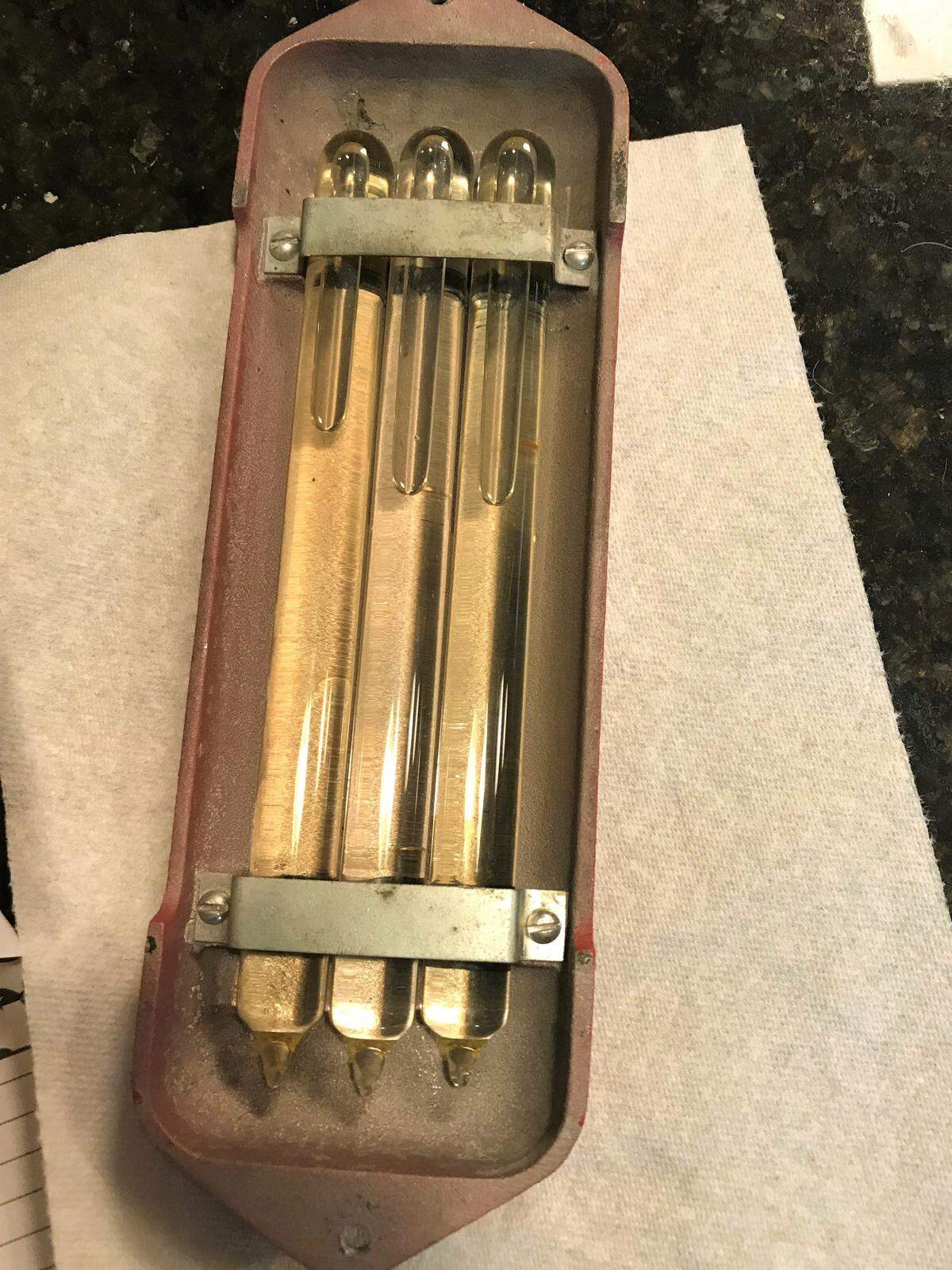
It was rigged with a theft deterrent device.
The metal contraption had three glass vials inside holding a slightly opaque liquid, according to Ryan Lancaster, spokesman for the Washington state Department of Ecology.
It was apparently intended to deter safe crackers who might break the vials and get a toxic surprise, he wrote in a Department of Ecology blog post.
They typically used chloropicrin or phosgene, poison gases first manufactured for chemical warfare during World War I.
The Kennewick Fire Department contacted Ecology’s spill response program for help in the incident.
It, in turn, contacted the National Guard 10th Civil Support Team for assistance.
National Guard officials were concerned the vials could contain highly volatile nitroglycerin or picric acid.
That’s when the Washington State Patrol bomb squad was called in, according to Ecology.
Poisonous chemical identified
The chemical was tested, confirming that it was chloropicrin.
The Centers for Disease Control says it was used in large quantities during WWI and was stockpiled during World War II, but is no longer authorized for military weapons use. It also has been used for riot control because of characteristics similar to tear gas.
It can cause severe irritation to the eyes, lungs and skin, according to Ecology.
The bomb squad went ahead and detonated the chemical, still in the device, a few days before Christmas.
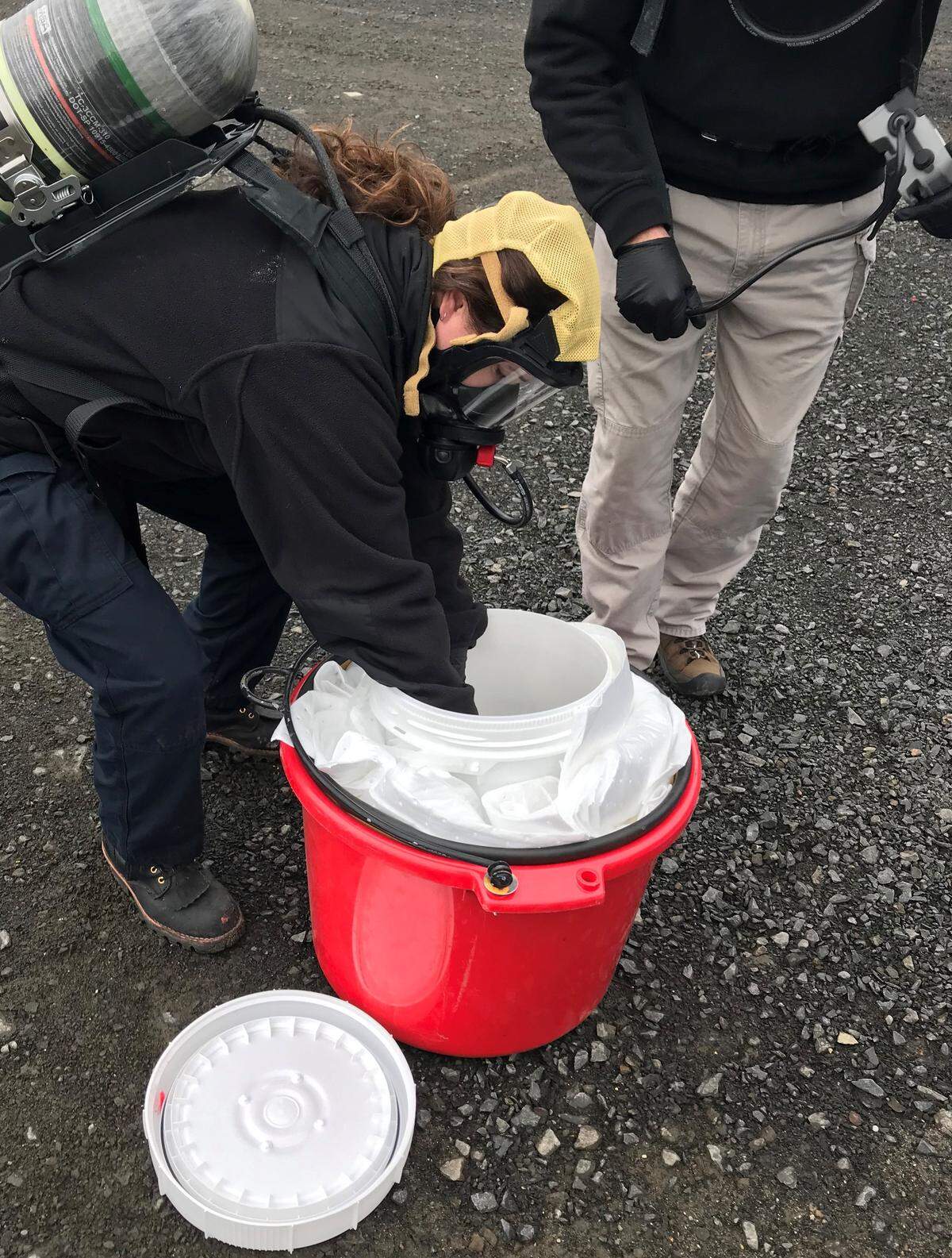
The hazardous material was destroyed by the heat of the explosion and no further cleanup was required.
Although Ecology’s spill response program may be best known for responding to oil spills, it also is called out to remove hazards from illegal drug manufacturing facilities, abandoned containers or drums, and mystery chemicals discovered in homes and schools.
“A lot of what we run across is very toxic . . . phosphine gas, cyanide, acids and flammable materials,” said Dave Byers, manager of the spill response section.
Ecology officials urge people who come across unknown or unmarked chemical not to toss them in the trash.
The Washington Division of Emergency Management can be reached at 800-258-5990 and Ecology’s spill response team can help identify and dispose of the chemical, if needed.
This story was originally published January 3, 2020 at 5:07 PM.