
Stalking the wild Christmas tree in the Tri-Cities
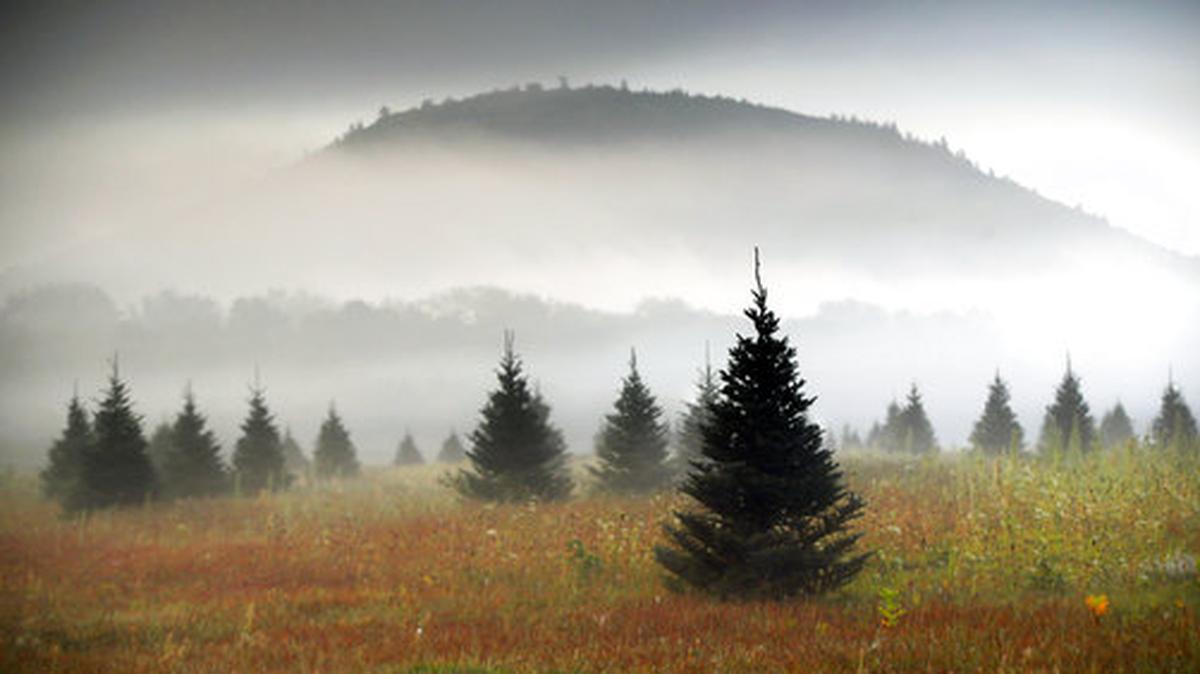
The holiday season is here and many of us are already thinking of where to get a Christmas tree.
Yes, there are dozens of lots that will be filled with pre-cut tree options.
But the trees you buy on a lot are usually cut in October and stored until they’re brought to the tree lots for sale. They may get dry very quickly once you get it home.
Getting your own freshly cut tree maximizes the chances your tree will stay fresh all through the holidays.
Go ahead, take the family on a memorable adventure into the mountains to find and cut your own tree.
Places to choose from
It doesn’t matter which direction you want to go.
Within two hours of Tri-Cities there are all sorts of roads that head into the national forests where you can find a Christmas tree to cut.
All the national forests in Washington and Oregon (www.fs.usda.gov/) allow do-it-yourself Christmas tree cutting through Dec. 24.
Each of the areas are easily accessed and offer dozens of opportunities to find a tree.
- Okanagan-Wenatchee National Forest, Naches District, Highway 12 to White Pass, west of Yakima, 509-653-1401
- Okanagan-Wenatchee National Forest, Cle Elum Ranger District. Take Interstate 84 toward Snoqualmie Pass and Highway 97 to Blewett Pass north of Yakima, 509-852-1100
- Umatilla National Forest, Walla Walla Ranger District. Take Highway 12 and head south and east of Walla Walla, 509-522-6290
- Umatilla National Forest, Heppner Ranger District. Take Highway 207 or 395 south, 541-676-9187
- Umatilla National Forest, North Fork John Day Ranger District, Highway 12 south and east of Dayton, 541-427-3231
Get the right permits
The new experimental Open Forest Program allows people to buy a single $5 permit that can be used in 13 National Forests.
It includes the forests in the Pacific Northwest but not the Wallowa-Whitman in Northeast Oregon.
The Open Forest Christmas Tree Link is bit.ly/freshtrees.
The Christmas Tree Cutting permit can also be purchased at any National Forest Ranger District and a number of designated retail vendors in the nearby towns.
Permits for trees in the Umatilla and Wallowa-Whitman National Forests are sold at Columbia Grain and Feed in Pasco and Farmer’s Exchange in Kennewick.
A single permit allows for one tree to up to five trees per household depending on the National Forest.
Permits can be purchased for neighbors, family and friends. Permits bought online will have to be printed to be valid.
One of the best ways to find a suitable area is focus on going to established named trailheads and the Sno-Parks along the main roads, where you can park a car.
You’ll also need a National Forest Day Pass or a Senior Pass at many trailhead locations for parking.
Sno-Park permits can be purchased online for Oregon at bit.ly/oregonsnow and in Washington at bit.ly/Washingtonsnow or at participating vendor locations.
Seasonal permits are $25 in Oregon and $40 in Washington. Daily permits cost $4 a day. Permits can be moved from one vehicle to another.
Plan Ahead
Start by deciding which direction you want to go. Take a look at the weather report. Then look at the road reports in more detail.
Study and plan your trip ahead of time. Identify the distance and the time needed to drive to your target area.
The most prized tree species for Christmas include Subalpine Fir, Grand Fir, Engelmann Spruce, and Douglas Fir.
When searching for your Christmas tree on the national forest, be sure to use designated motorized roads and to be aware of seasonal road closures.
The Open Forest Permit website offers tree cutting maps for each national forest showing the areas where trees are best found. Cut trees only within the national forest boundary and respect surrounding private property.
Plan on hiking up the hill slopes so you can easily drag your tree downhill, to your car avoiding logs and obstacles on the way down.
Leave in the morning and make the best use of the daylight hours. Let friends or family know where you’re going, when you expect to be home.
Check in with them when you can to keep people informed about your travel status. Contact them when you arrive home safely.
Make sure your car is equipped for snow with traction tires or chains, and take a shovel. Bring jackets, gloves, boots, gators, micro-spikes, snowshoes, the right saws and tools, rope — everything you need to get the tree back to your car.
Bring food, warm drinks, extra clothes, games and books to keep the kids occupied and entertained during the drive.
Tree cutting restrictions
Christmas tree cutting rules vary by the National Forest. Check the regulations for the locations you want to go.
Cut your tree at least 50 feet and in some places at least 200 away from the road. Clean up any trimmings or limbs. Leave stumps no higher than 10 inches.
You may need to dig out the snow to get low enough to the ground. It is illegal to “top” a tree.
Cut off any green limbs left on the stump.
Take these home with you and use them for wreaths and decorations. The maximum height of tree to be cut is 12 to 15 feet tall depending on the National Forest.
Christmas tree cutting areas may also be restricted in certain areas. Do not cut in active timber sales or areas that have been planted with new trees.
Do not cut on private or state-owned land, in wilderness areas, national monument areas, designated campgrounds or existing tree plantations.
Do not cut trees within 200 feet of ski areas, summer home sites, National Forest work stations, or Forest Service Guard Stations, or within 300 feet of streams, or in any other posted areas.
Getting access to some of the forest areas in the Cascades and the Blue Mountains can be challenging once the snow starts to fall and most forest roads close for the winter.
Once that happens, snowmobiling or snowshoeing will be your only access onto most roads off the main highways and roads.
If you park the car on the make sure you place your national forest parking pass on the dashboard. If you park at a Sno-Park, you will need to have a Sno-Park Pass.
Find the right tree
When choosing a Christmas tree, try to pick a tree from among a group of trees so one area does not become void of trees.
Carry the tree carefully out of the woods. To make your trip back to the car easier, slide your tree on a plastic tarp. If the tree will not fit in the vehicle, wrap it in a tarp to prevent windburn and needle loss during the drive back home.
Once you get your tree home, make a fresh cut on the butt of the trunk to open up the pores which have been clogged by sap.
Cut off at least one-half inch so the tree will be able to drink water.
After the cut is made, put the tree in water as soon as possible. An average tree may consume between a quart and a gallon of water per day.
When you cut your tree, remember to punch out the month, day, and year on the permit tag. Tags may not be re-used.
Attach the Christmas tree tag where it is clearly visible on the tree. It should be attached before the tree is loaded on to your vehicle.