
Bus drivers vote no confidence in managers. Grievances are piling up, costing taxpayers, they say
A majority of Ben Franklin bus drivers are saying they don’t trust the people running the agency, including the Dial-a-Ride service for seniors and the disabled.
More than three-quarters of the 224 members of Teamsters Local 839 are asking the board for a change in management.
It’s part of a petition of no-confidence in three top administrators — General Manager Gloria Boyce, Human Resources Manager Wendi Warner and Operations Manager Ken Hamm.
“We, the above-mentioned bargaining unit members, write this letter with great pause and only after much discussion and contemplation,” says the letter.
“We hesitate because as a team of dedicated and hard-working professionals, we have tried to resolve our issues by every means available to us through the collective bargaining relationship and applicable labor laws and statutes, but to no avail,” it said.
The drivers make up the bulk of the employees working for Ben Franklin Transit, which has a $40 million operating budget.
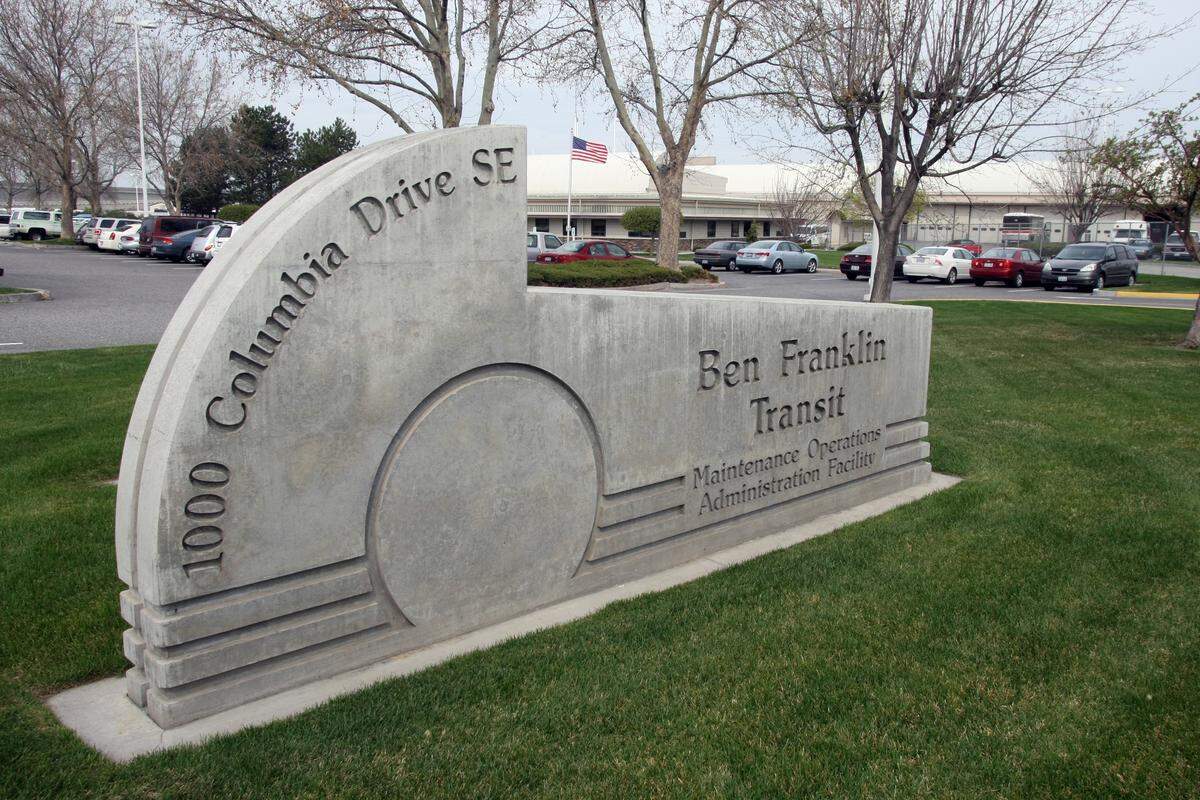
They took their message to the board Thursday night and held an informational picket before the packed meeting at the transit agency headquarters at the Richland Y.
While Ben Franklin Transit administrators didn’t speak to the specific accusations, they told the Herald earlier in the day that “contentious words and actions” are a common tactic used to apply pressure during contract negotiations.
“We respect our employees and their union representative, and we expect the same respect in return,” agency leaders said in a written statement.
Contract violation allegations
The BFT drivers claim administrators are delaying fixing contract violations, particularly in the past two years.
The issues range from not assigning routes base on seniority to delays in telling Dial-a-Ride drivers when they will be picked up.
They claimed transit officials could have been fixed various problems with a phone call, but instead they led to formal grievances sent to a manager and in some cases to the state.
Currently, the union has 18 outstanding cases of grievances and state complaints, said Russell Shjerven, the Teamsters Local Union 839’s secretary-treasurer.
Even when they prevailed, employees often aren’t getting their back pay and are facing the same problem repeating, he said.
“We have filed more grievances and unfair labor practice charges against the agency over the last two years than we have ever filed before,” according to the letter.
“Many of these grievances come with an economic penalty to the agency which has cost the agency thousands of taxpayer dollars,” it said.
Their members are professionals and will continue to do their job, Shjerven said.
Negotiation problems
The union’s letter closes by saying that the management is holding up contract negotiations by filing for mediation and hiring a Seattle attorney to negotiate all five collective bargaining agreements. Union officials say contract negotiations were nowhere near an impasse.
“Clearly this relationship is irreconcilable, and we ask that the board take the steps necessary to set a fresh direction for the organization and its employees,” the letter says.
The mediation puts a member of the state Public Employment Relations Commission between the two sides to help with the talks. A mediator takes proposals back and forth between the parties, and can slow the process.
But transit managers responded, “It is normal for all parties negotiating such large contracts to seek legal counsel for guidance on various aspects of the process.”
They said transit officials are committed to providing a great transit system and a rewarding and respectful workplace for employees.