
This Tri-Cities hall of fame athlete is back home, this time caring for your stray dogs and cats
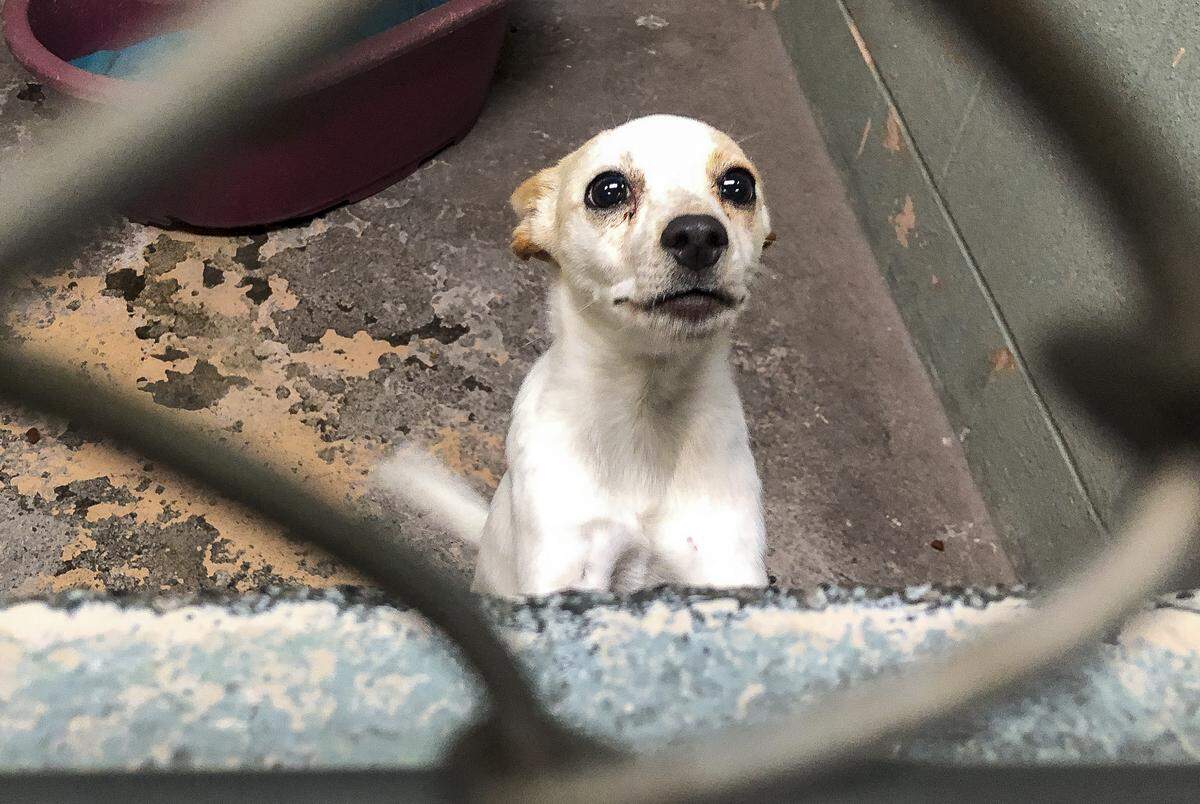
Debbie Sporcich was reduced to tears the first time she walked dogs for the Tri-Cities Animal Control shelter in Pasco.
It was seven years ago and the Pasco native had just moved home, intent on charting a new career path in animal welfare. Volunteering to walk dogs was her first tentative step in a new direction.
She was driving home to her own beloved pets, thinking about the homeless dogs in kennels in Pasco.
“I just cried,” she recalled.
Sporcich persevered. And in April, she was named director of animal control services and the shelter.
Career change
Sporcich graduated from Pasco High and was a Class of 2008 Tri-Cities Sports Hall of Fame athlete.
She was a member of the Pac-10’s Team of the Decade in the 90s when she played at the University of Oregon. Then, she spent five years playing professional basketball with teams in Italy, Belgium, Spain and for the Seattle Reign.
She’d landed in Seattle and became involved in a series of marketing gigs connected to Microsoft.
In 2012, she decided selling software wasn’t for her. She quit her job, sold her house and moved home to contemplate a meaningful change.
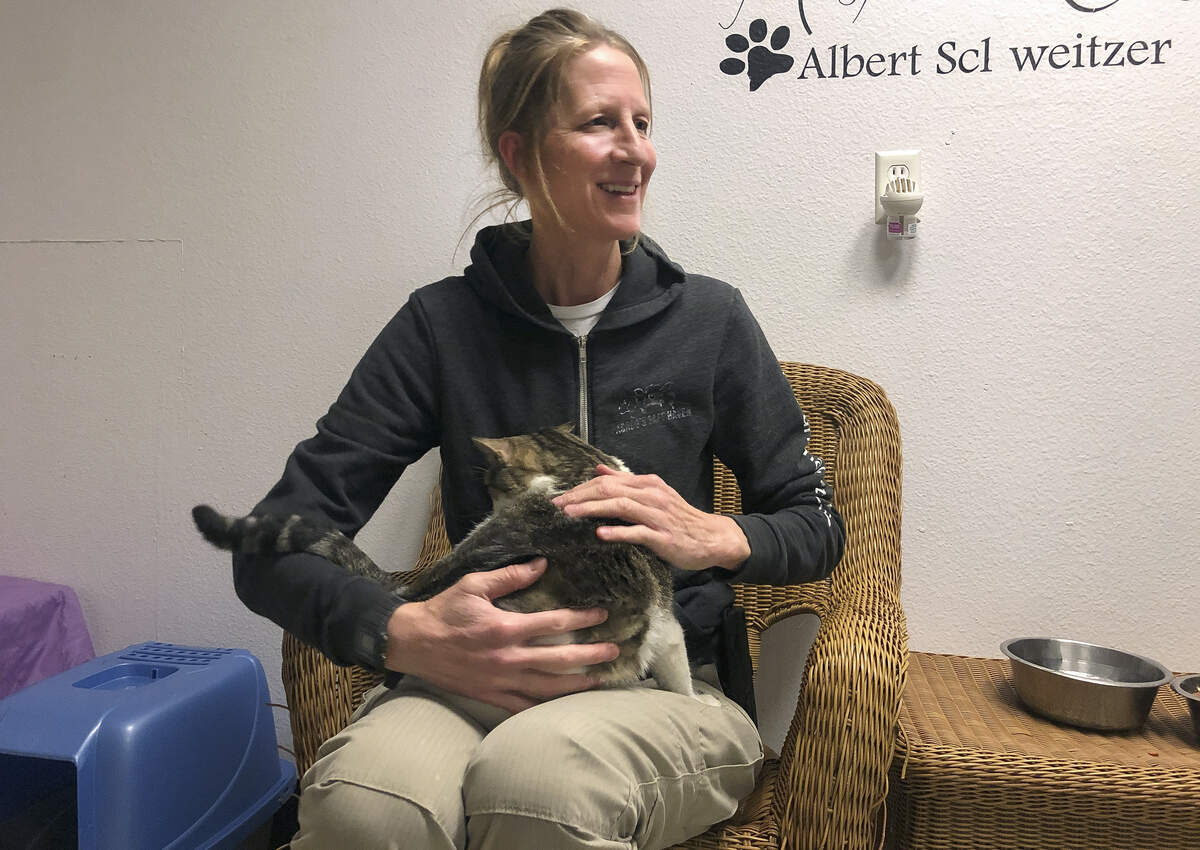
Despite her emotional first day with shelter dogs, she kept at it.
She would work year at the Benton-Franklin Humane Society and then at Pasado’s Safe Haven in Sultan.
She rejoined the animal control shelter in 2016 as an animal control officer working under then-director Angela Zilar.
When Zilar retired in December after 12 years, Sporcich submitted a bid to take over both animal control and its shelter.
She was chosen in mid-March and took over on April 1.
The agency provides animal control services to the three cities, enforces their municipal ordinances and processes hundreds of dogs and cats through its shelter.
In the first six months under Sporcich, the shelter received 881 cats and 852 dogs.
Some were surrendered. Some were trapped. Some were strays. Others were dead when animal control officers picked them up. Some died in the shelter.
And there were happy endings — they were adopted, reunited with families or picked up by no-kill rescue organizations that find forever homes.
But some were euthanized for humane reasons because of medical issues or injuries.
In the first six months since she took over, 63 cats and 14 dogs were euthanized. All were performed by veterinarians, on the recommendation of veterinarians.
Turning the process over to veterinarians signals her commitment to giving animal shelter dogs and cats their best chance at finding permanent homes.
For all its heartbreak, Sporcich said being animal control director fulfilled her desire for meaningful work.
“This is the most important job I’ve ever had,” she said.
Her own stamp
Sporcich said she’s grateful for Zilar’s legacy and support.
But she’s determined to leave her own stamp on animal welfare in the Tri-Cities.
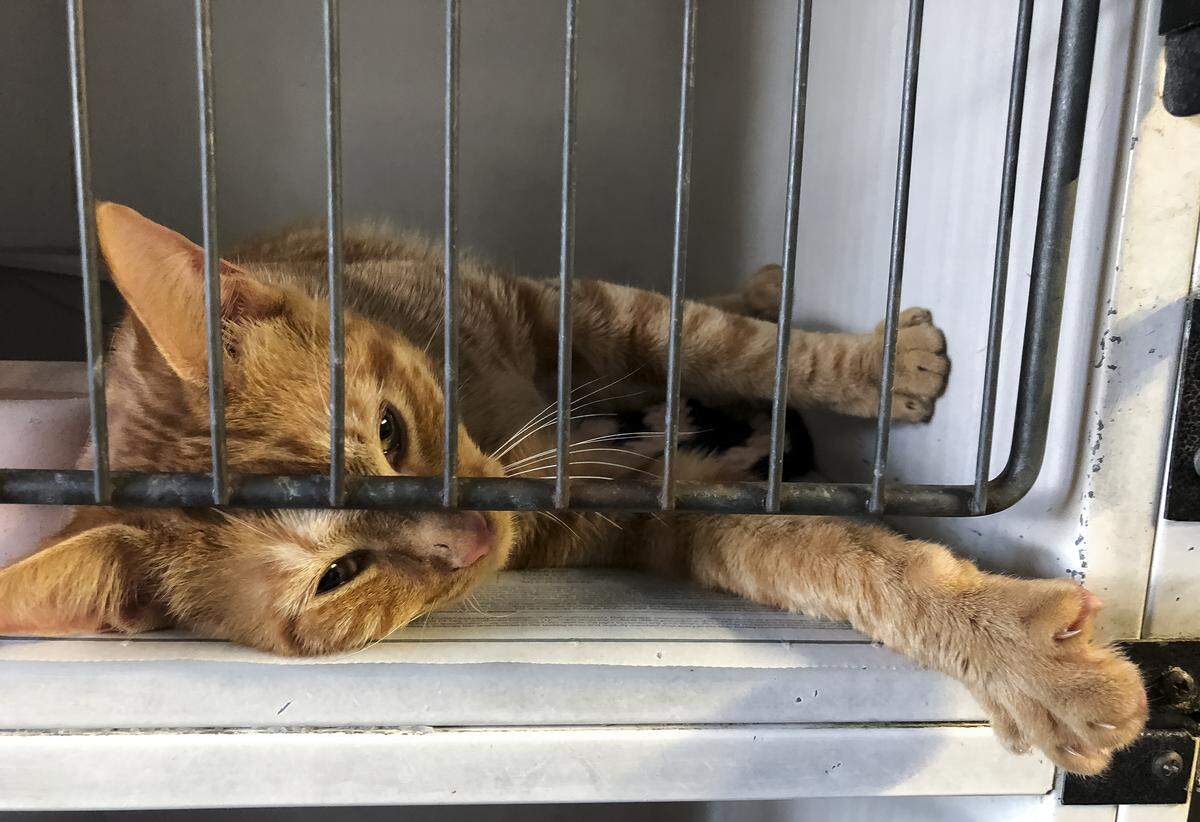
That includes a continued emphasis on the importance of spaying and neutering pets to reduce overpopulation, and to launching a full frontal attack on the Tri-Cities’ intractable cat problem.
Dogs, she notes, are much more likely to be reunited with their owners than cats. Cats rarely are.
Of the nearly 900 cats that passed through the shelter in the past six months, just 28 were returned to their owners. Over the same period, more than 370 dogs found their way home.
Pivotal moment for animal control
The change in leadership comes at a critical time for Tri-Cities Animal Control.
After years of planning, Pasco is on the verge of building a badly-needed new facility to house animal control and its shelter.
The three cities have agreed to fund the $6 million project, which will be built near the existing animal control on 18th Street, near the Columbia River.
Officials are reviewing designs for the proposed animal control facility.
Zach Ratkai, Pasco’s director of administrative and community services, hopes to break ground by early 2020.
Sporcich will be grateful for the new building.
Like her predecessor, she said the old one is beyond obsolete — damp, poorly ventilated and a haven for rodents.
Shelter workers turn a resident cat, Lemon, loose at night to control the rodents.
It’s a sign of just how unhealthy the buildings are, not just for the animals but the 14 employees — Sporcich, five animal control officers, shelter workers, bookkeepers and front desk staff.
Staff do their best to keep it clean, but Sporcich acknowledges it’s a difficult place to visit even for confirmed animal lovers.
The planned shelter will provide space for dogs and cats, as well as office and storage facilities.
Sporcich is asking to amend the plans to add an on-site spay and neuter clinic. That would help the organization get in front of the pet population challenge.
Sprocich is frankly startled at how many animals arrive at the shelter that haven’t been spayed or neutered.
Animal control is inundated by calls about feral cat colonies, and cats left behind when tenants move out of apartments.
An in-house clinic would give animal control the option to spay and neuter animals before they’re available for adoption.
Until then, shelter pets aren’t operated on until after they’re adopted, leading to days-long waits for adoptive families to get their pets.
What is animal control?
Tri-Cities Animal Control is a joint venture of Kennewick, Richland and its host city, Pasco.
Sporcich has a separate agreement with West Richland to shelter animals collected there but does not enforce the city’s animal ordinances.
It has no jurisdiction in Benton or Franklin counties and can’t respond to calls in unincorporated areas.
Animal control officers investigate reports of lost, injured and aggressive animals, as well as animal abuse and neglect.
It is not a rescue organization.
Instead, it partners with those that are, including Mikey’s Chance, a West Richland canine rescue, Pet OverPopulation Prevention (POPP) of Benton City and Northwest Organization for Animal Help or NOAH.
The rescue organizations frequently pick up dogs and cats that need medical attention before they can be made available for adoption.
“We’re animal control. We’re not a rescue,” she explained.
The partnership helps animal control stretch its budget to provide more veterinary care.
That reduces the need to rely on euthanasia.
She feared having to make that call on April 1, the day her organization took over animal control. The first call concerned an injured cat dragging its hind legs.
It’s the sort of call she dreads — an animal that will clearly need costly veterinary attention.
The cat, later named Troy, had a neurological condition that left his hind legs prone to infection. Troy wouldn’t be adoptable unless a hind leg was amputated to solve the infection problem.
Troy got his surgery and happily, is thriving in his foster home.
“With any animal, let’s make sure it isn’t suffering,” she said.
Spay and neuter
Controlling the number of stray, roaming, abandoned and injured pets in the three cities starts with spaying and neutering.
Sporcich and her partners go to great lengths to alter dogs and cats.
POPP paid to spay and neuter all animals adopted from the shelter between June and September.
Animal control officials personally drove dozens cats to Idaho this summer when a veterinarian offered free services — 60 in July and another 60 in August.
Pasado, based in Shelton, visited in September, performing 55 surgeries in just a day.
“That’s just keeping up with our pledge to send home spayed and neutered pets,” she said.
It costs $30 to $40 to alter cats, and $55 or more to alter dogs, depending on their size and gender.
Cat problems
Sporcich will continue to develop animal control’s “barn cat” program. the program attempts to place feral and unadoptable cats on local farms for rodent control.
Barn cats are spayed and neutered, which keeps colonies from expanding. Sporcich said it’s better to return spayed and neutered cats to their homes than to euthanize them.
Removing cats simply invites outside, unaltered, cats into the old territory, allowing colonies to grow.
The shelter is currently home to a would-be colony of six “barn cats.” They’re grouped in a dog-run sized pen in an outbuilding, waiting for a barn to move into.
Animal control and you
Sporcich encourages animal lovers to lend their time and talent to supporting shelter animals.
Dog walkers are particularly welcome to exercise animals on the walkway along the nearby river.
The shelter makes it easy. Visitors are asked for an ID, but aren’t required to sign up or undergo a background check.
It also needs volunteers to transport animals to veterinarians to free up the agency’s officers to investigate ongoing situations.
She’s also looking for volunteers to help develop the barn cat program, which needs barns and people willing to transport cats and help them get comfortable in their new surroundings.
Sprocich is waiting for the shelter’s nonprofit status to be approved by the IRS. Once that’s complete, she’ll be able to pursue grants and donations.
Supporters can learn more about animal control, the shelter, local municipal codes and the shelter’s needs by visiting tri-citiesanimalshelter.com/
This story was originally published October 6, 2019 at 5:00 AM.