
Water outlook worse for the summer. Here’s what KID is now asking thousands of customers to do
The Kennewick Irrigation District plans to announce next week a voluntary schedule for residential watering as the outlook for water from the Yakima River basin worsens.
The schedule will not be mandatory, as it was in the worst of the 2015 drought, said Jason McShane, KID engineering and operating manager. No enforcement is planned at this point.
Mandatory restrictions are not expected, but they cannot be ruled out entirely if hot weather causes high water use and voluntary restrictions don’t help conserve enough water.
The voluntary water schedule is expected to be announced next week for most residential users.
KID is likely to ask homeowners to water their lawns just twice a week, with some assigned to water at a time they choose between midnight to noon and others assigned to water between noon and midnight.
KID also is working with its large water users to conserve water.
Those include farms, cities with large parks, school districts, golf courses and some neighborhoods that use KID water for privately owned delivery systems.
Yakima River water forecast drops
The Bureau of Reclamation on Wednesday updated the water forecast for those who rely on the Yakima River for irrigation water, including KID customers.
Enough water is expected for the entire season — June through September — to supply just 67 percent of the water that junior water right holders are entitled to use, the Bureau of Reclamation said Wednesday.
Senior water rights users will receive their full allotment of water.
The Kennewick Irrigation District holds mostly junior water rights.
“The basin’s seasonal decline in flows and reservoir storage began about two to three weeks earlier than normal this year,” said Chuck Garner, Yakima Project River Operations supervisor. “The reservoirs topped out at 81.5 percent full on June 7.”
KID warned in May that conditions were likely to worsen.
That’s when the outlook was for 75 percent of water rights available for those with junior rights. It dropped to 72 percent at the start of June.
The Bureau of Reclamation’s latest forecast is based on river flows, precipitation, snowpack and water storage in five reservoirs through July 1, along with estimates of future precipitation and river flows.
Tips to reduce irrigation water
Because of the reduced water forecast, customers can help both by following voluntary watering schedules and using water wisely, says KID.
Drip lines, micro spray and soaker hoses can be used to irrigate plants efficiently, it said.
Watering lawns less frequently but for longer duration makes roots grow deep and makes grass more resilient to drought conditions, KID said.
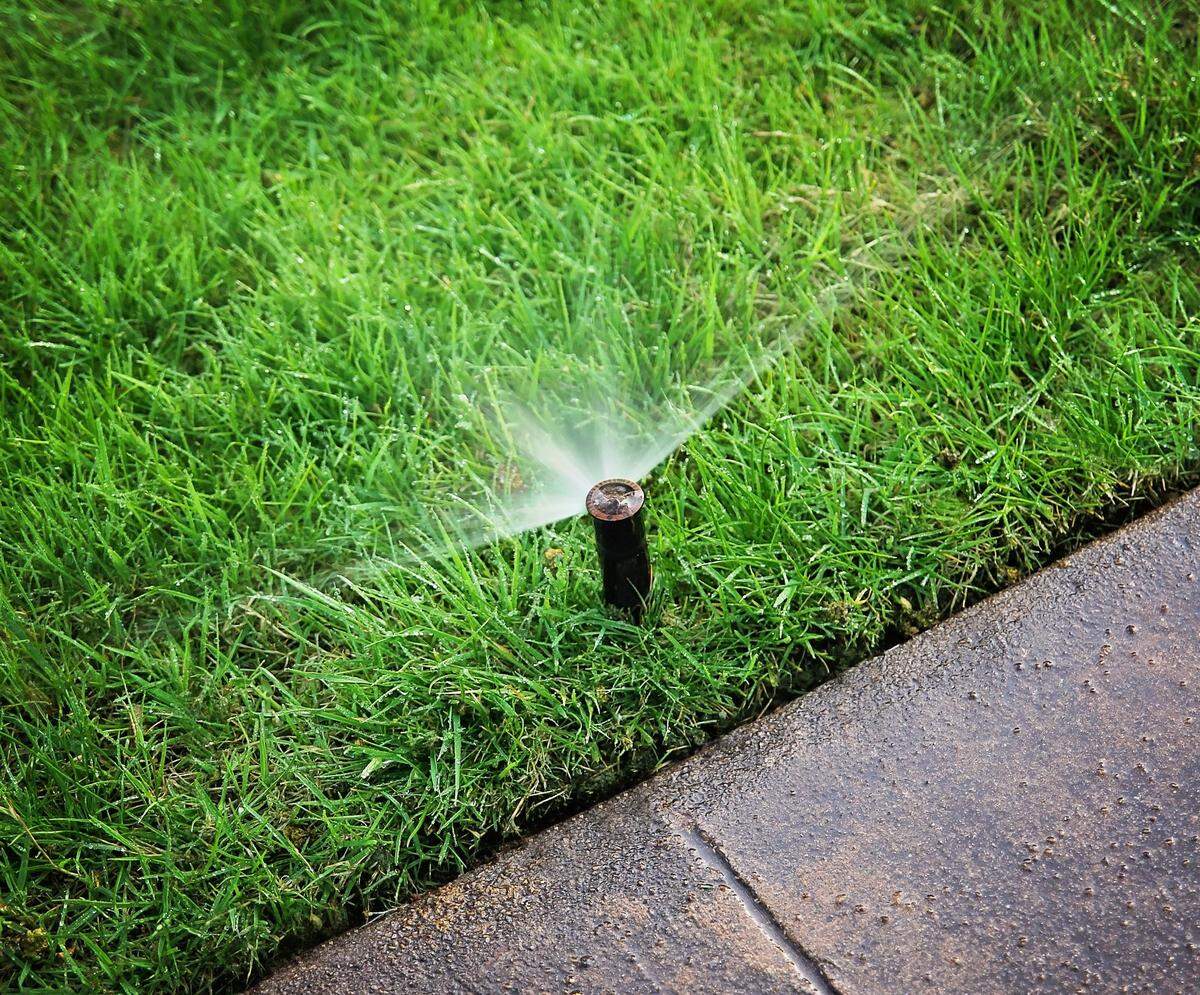
Keeping lawns long by using the highest blade setting on mowers also helps them retain moisture.
The worst time to water for those who may be assigned to the voluntary morning watering schedule is usually 5 to 10 a.m.
On hot summer days that’s by far the most popular time to run sprinklers, causing a loss of pressure by some users. They compensate by running their sprinklers longer.
Water users with city water or well-supplied water should still time their watering schedule to minimize water evaporation.
KID also reminds its customers to turn off sprinklers in rainy or windy weather, make sure faucets and hoses are turned off completely when not in use and to sweep driveways rather than spraying them clean with water.
Rationing was last implemented by the district in the 2015 drought, with watering times restricted to two times a week for 30 minutes for each zone.
This story was originally published July 3, 2019 at 12:51 PM.