
Story does not end happily for a rescued Richland bald eagle set free last month
The young bald eagle released as a crowd watched at the McNary National Wildlife Refuge in February is dead.
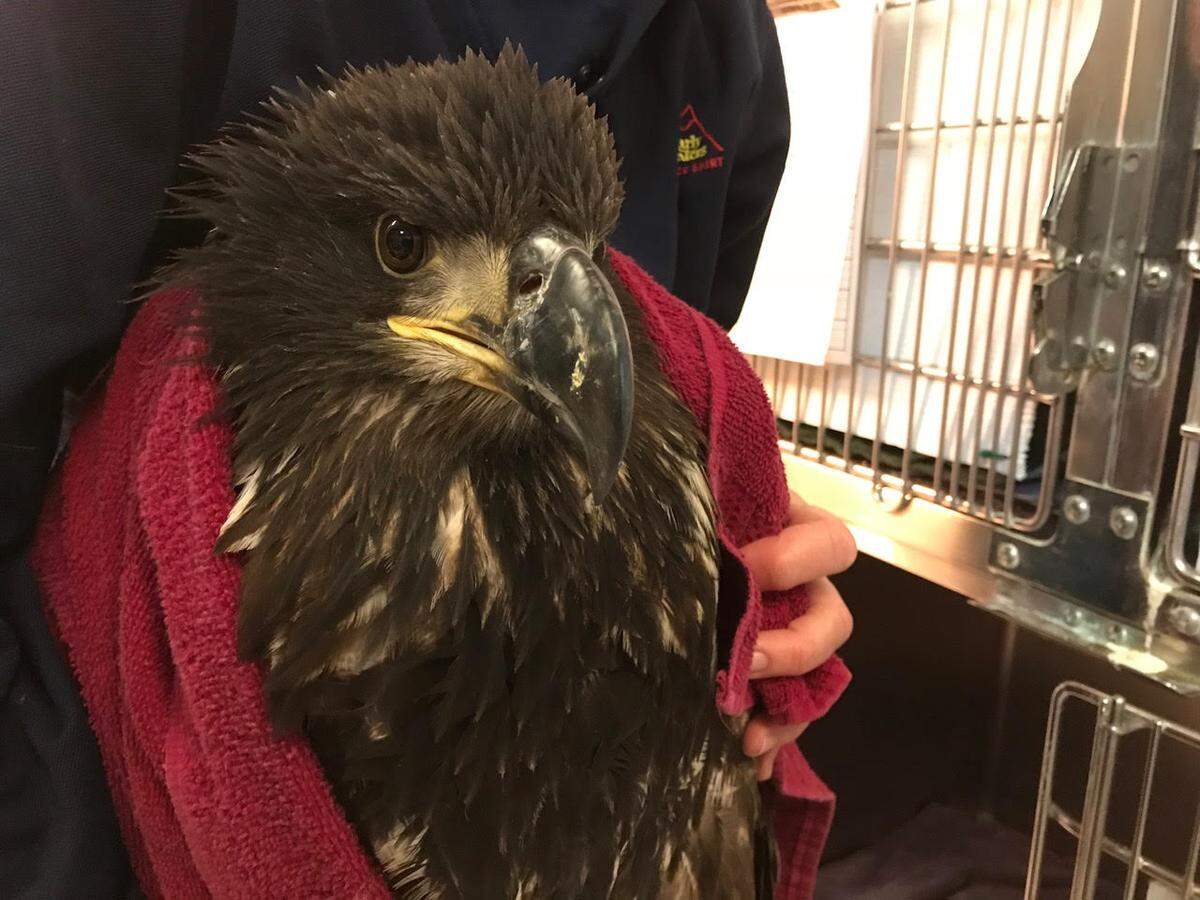
The female, which was too young to have a white head, had been rescued more than a year ago from a Richland backyard near the Columbia River.
It was too weak to stand when rescued.
The bird spent more than a year at the Blue Mountain Wildlife Rehabilitation and Education Center in Pendleton being treated for the highest lead level the center had ever detected in a wild bird.
Birds of prey are contaminated with lead when they eat game that has been hit with lead shot. The problem can be prevented by hunters using non-lead ammunition.
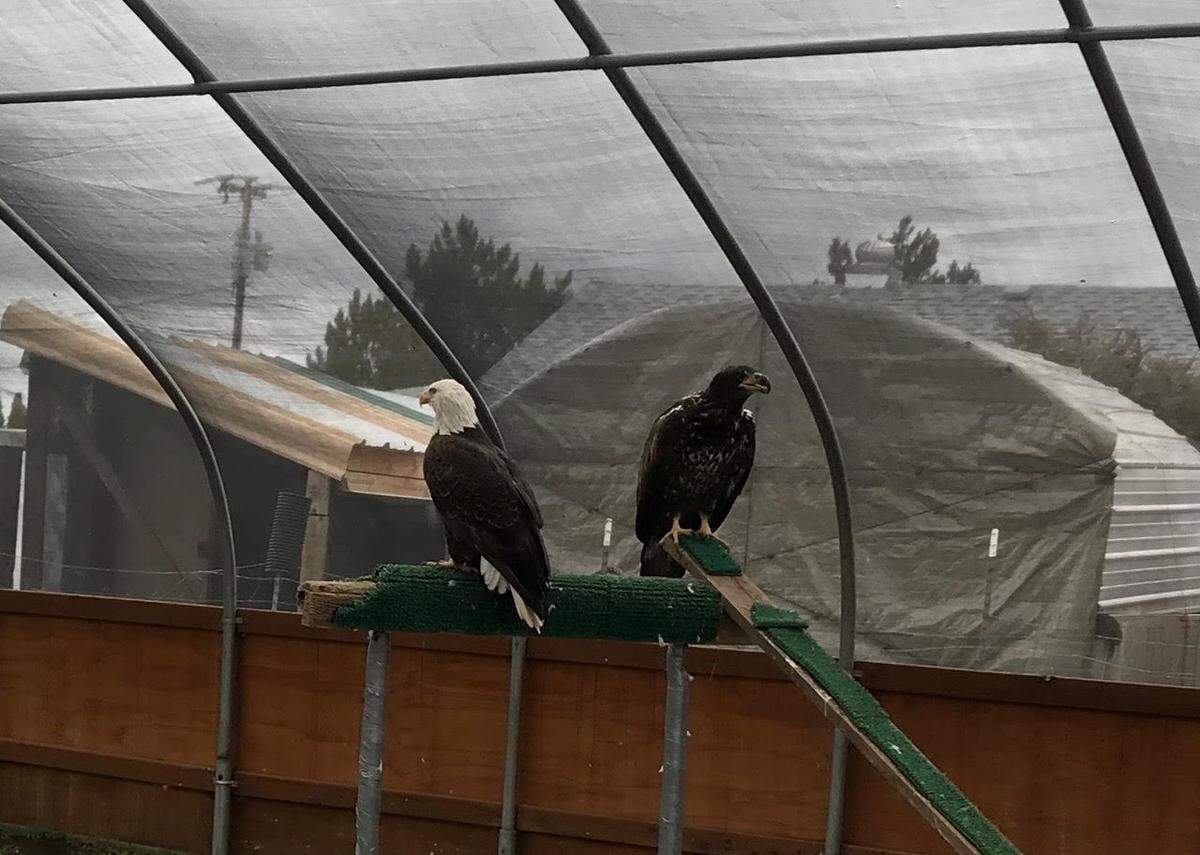
The eagle was flying well in a flight pen before it was released during the U.S. Fish and Wildlife Service’s Winter Birds event Feb. 23 in Burbank.
Bald Eagle released at McNary
But staff at the Blue Mountain rehabilitation center were concerned about how well it would survive in the wild.
“The affects of lead are permanent,” said Lynn Tompkins, executive director of the regional rescue agency.
Even though the bird was no longer anemic, its ability to make red blood cells was compromised. Lead also causes permanent nerve damage, which can reduce coordination and impair decision making.
The bald eagle was released with a tracking device in the hopes that if it did not do well, it could be rescued a second time.
But volunteers had trouble finding the bird again.
Tompkins estimated it lived about a week and did not go far.
It was found across the Burbank slough from the McNary National Wildlife Refuge education center hidden by vegetation in a yard.
Starvation does not appear to be the problem, Tompkins said.
Lead remains ongoing problem
About four years ago the wildlife center nursed a golden eagle with high lead levels back to health. It also had troubles when it was released in the wild, and staff rescued it a second time.
Rather than release it again, it now is a resident at the High Desert Museum in Bend, Ore.
Lead paint and plumbing are recognized as problems, and its time for people to also understand the contamination issues caused by lead ammunition, Tompkins said.
“Lead doesn’t have to be an issue if we would just switch to non-lead ammunition,” she said.
Fate of second eagle
The Blue Mountain wildlife center also had planned to release a mature male bald eagle at the Winter Birds event.
It also had been kept at the center for about a year after being found near Mesa in Franklin County. It was injured, possibly by being hit by a car.
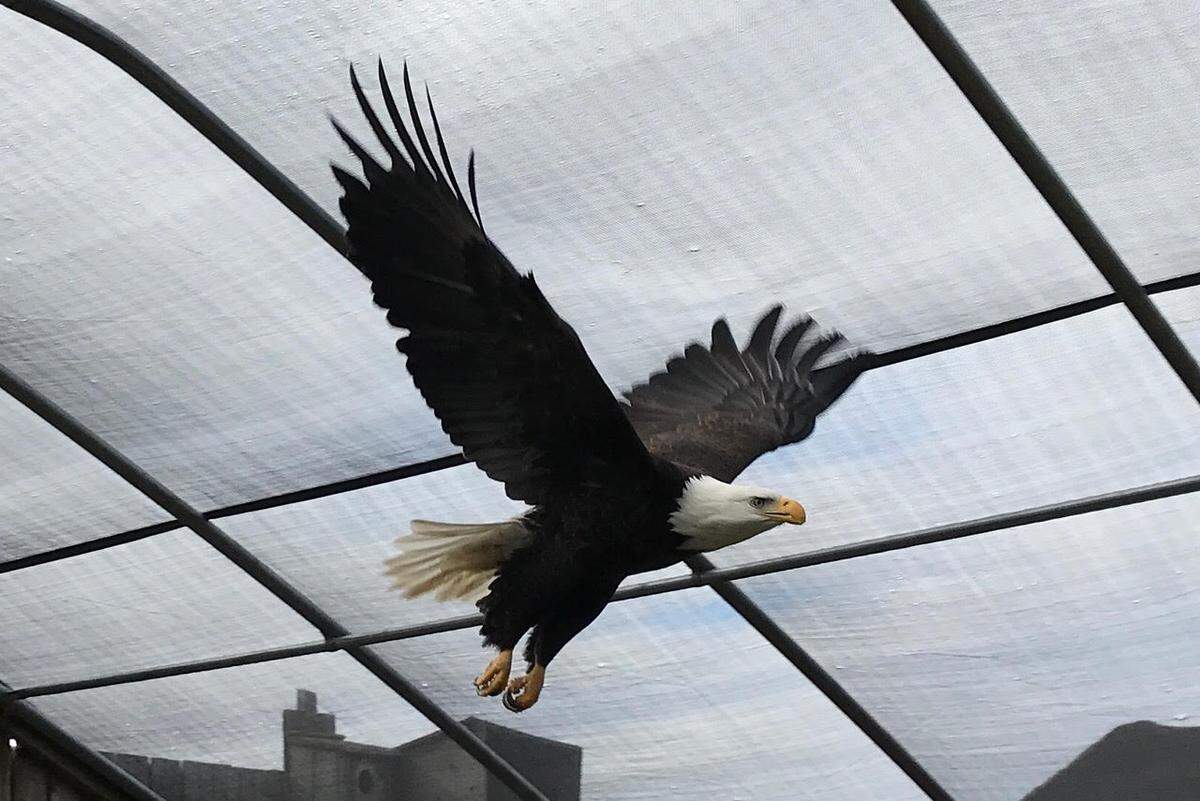
The bald eagle had been recovering from a shoulder injury and a split and broken beak.
But as its exercise in a flight pen increased, its ability to fly began to deteriorate.
Washington state Fish and Wildlife recommended that it be euthanized.
Blue Mountain Wildlife is working toward a new state-of-the-art wildlife hospital and environmental education center for Eastern Washington and Eastern Oregon.
Member Linda Wolcott has agreed to match every dollar donated to Blue Mountain Wildlife through April 20 up to $25,000. Information is posted at bluemountainwildlife.org
This story was originally published March 18, 2019 at 6:35 PM.