
Pasco police the first to wear body cams
Pasco police are rolling out a new piece of crime-fighting equipment — and they’re the first in the Tri-Cities.
After nearly two years in the works, officers are now starting to flip on body cameras to record what happens when they get called by the public.
Every officer isn’t using them yet, but they expect to by the end of March, said Sgt. Scott Warren.
Three tech savvy officers are leading the training on the simple black box that attaches to the front of their protective vests with a powerful magnet.
Once trained, the officers will turn the cameras on anytime they respond to a call, Warren said. That includes when their emergency lights and sirens are flipped on or when they ready their Taser stunguns, he said.
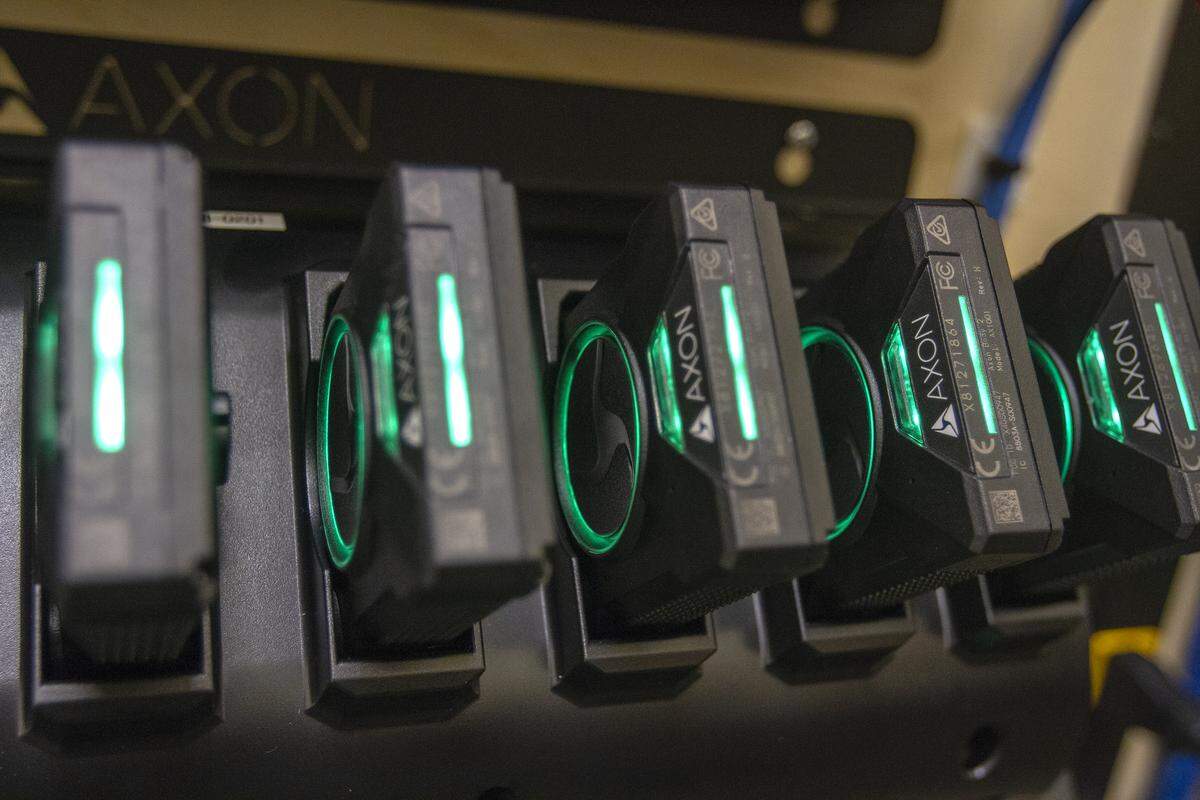
The department tested several brands of body cameras before settling on a $60,000 annual contract with Axon, formerly Taser International. The money pays for both the cameras and service.
The company is one of the leading suppliers of body cams and stunguns. They are used in 47 major cities in U.S.
The city brought in the cameras this summer to develop a set of rules for how they will be used.
Each camera’s battery lasts about 12 hours and each can hold about a day’s worth of video.
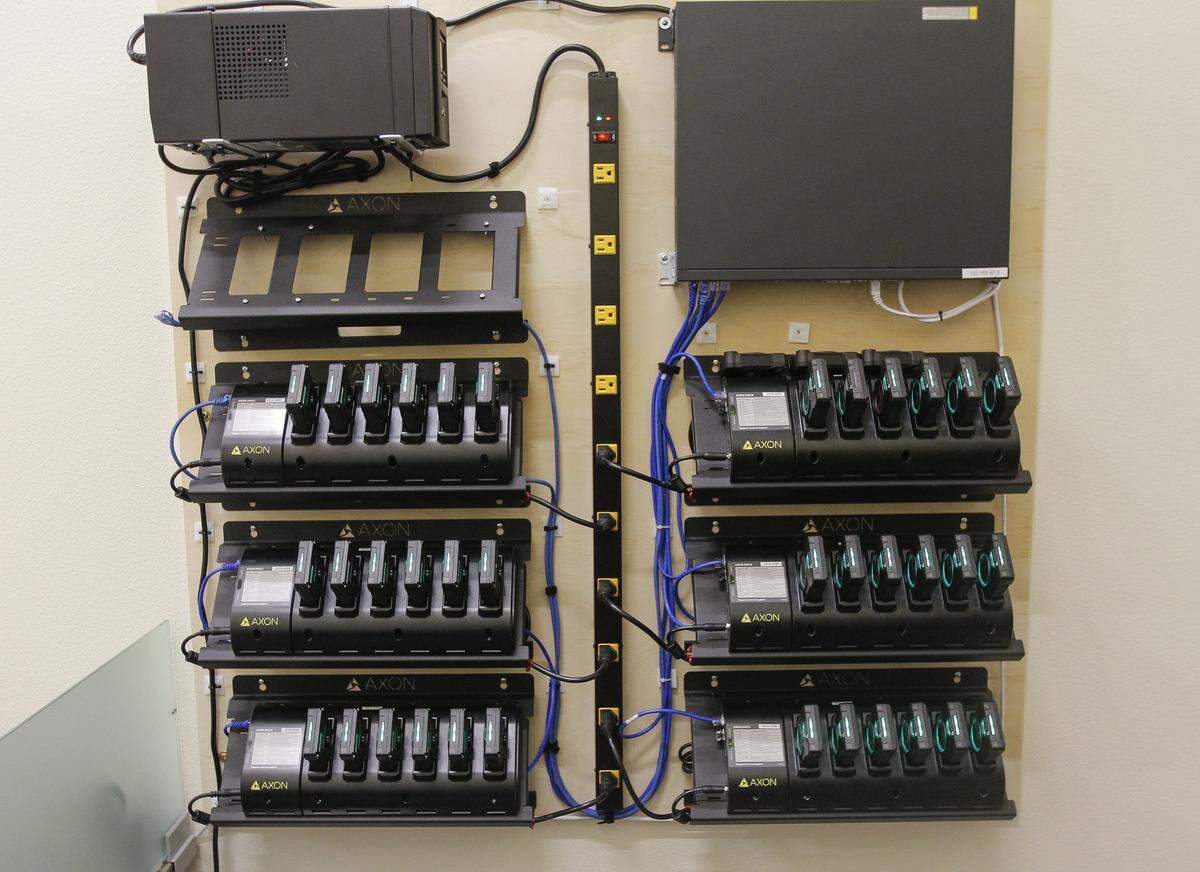
When their shifts finish, officers will dock the cameras and the video will be uploaded to a central computer at Axon, where it can be accessed when needed.
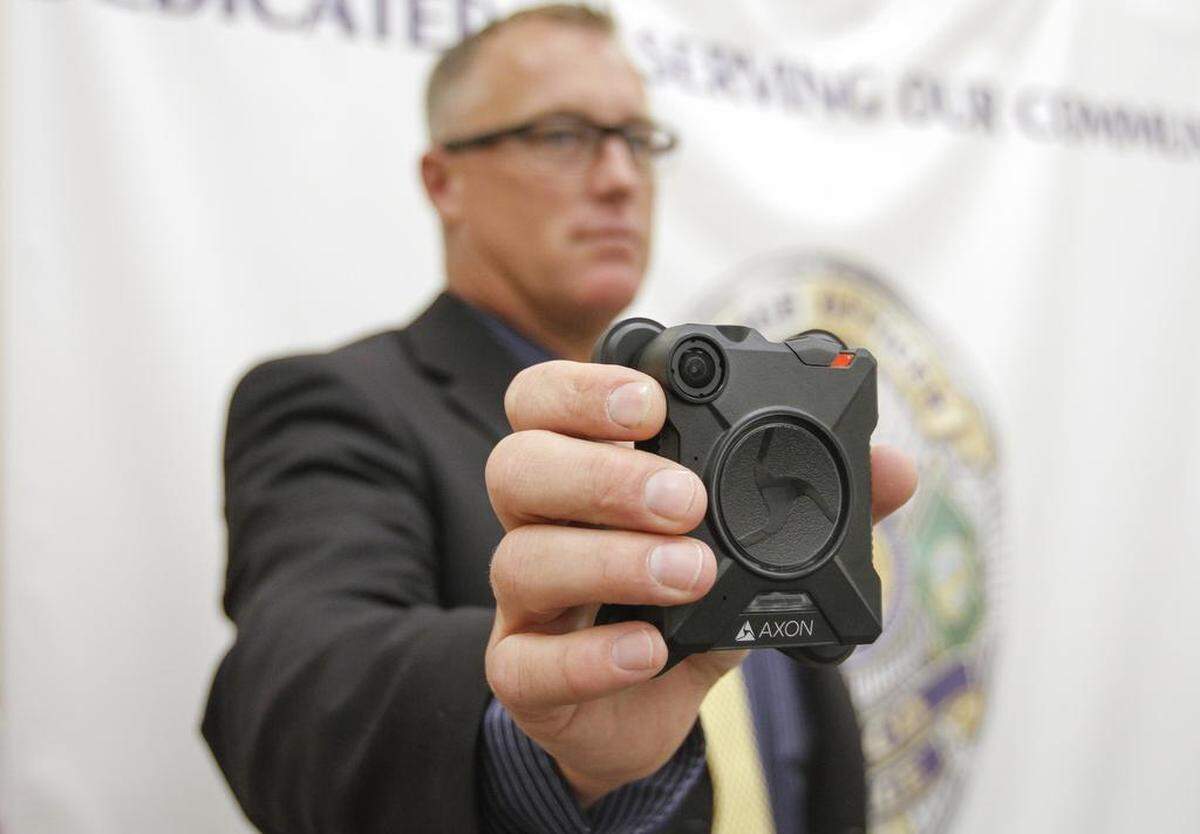
The footage can be used in criminal cases in court or for checking whether an officer followed proper procedures. Police also can connect their camera to their cellphone and use it to peek around corners without putting themselves in danger.
The cameras 140-degree capability allows several officers to create a 360-degree view of a scene.
Pasco police already are one of two Tri-City departments to use dashboard cameras in police cars.
Pasco officials began looking into the cameras in 2016, when city council members signed off on a pilot program. At the time, City Manager Dave Zabell said the program wasn’t intended for catching officer misconduct, but rather for protecting both the officer and the public.
When a person is on camera, they are more likely to behave, Warren said.
While the cameras will be on, state law shields prevents some of the footage from being released under public record laws, including the inside of homes, video of minors and certain footage in domestic violence and sexual assault cases.
No other Tri-City agency currently has plans to use cameras.
The national dialogue about the effectiveness of body cameras is mixed. Some saw dramatic drops in the number of officers accused of using unnecessary force and better behaved people involved in crimes, while others saw little to no difference.