
Badger Mountain is about to get some important visitors
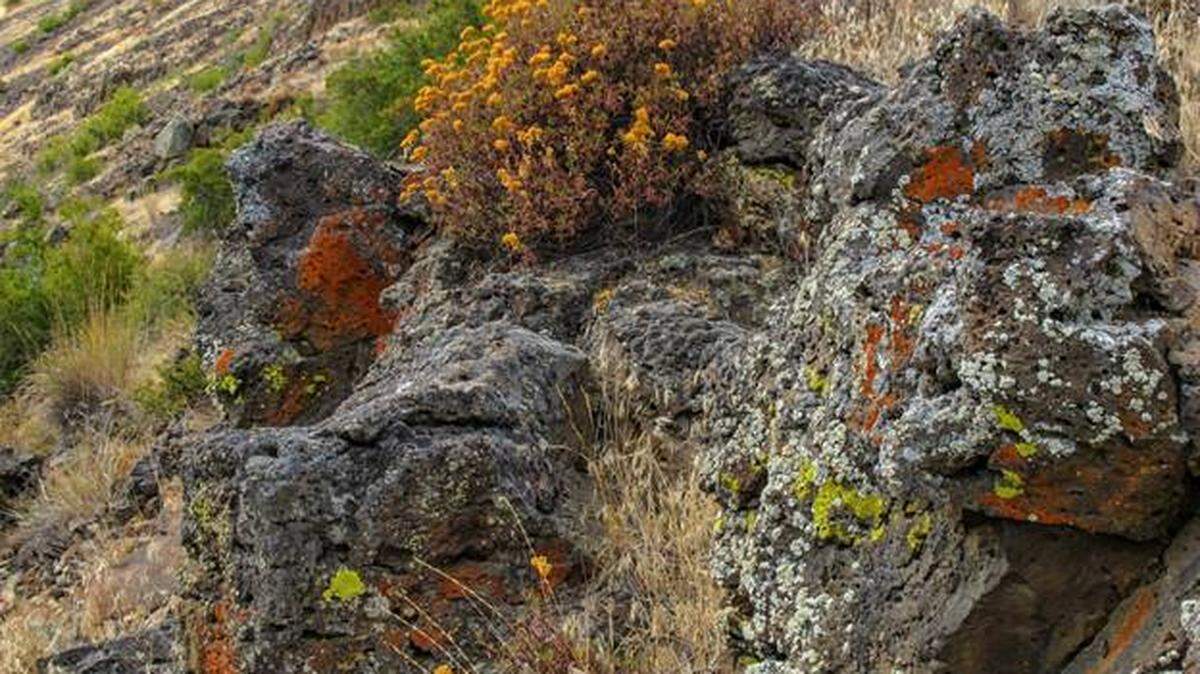
One of the most interesting and noteworthy events in environmental science is coming to Badger Mountain this week.
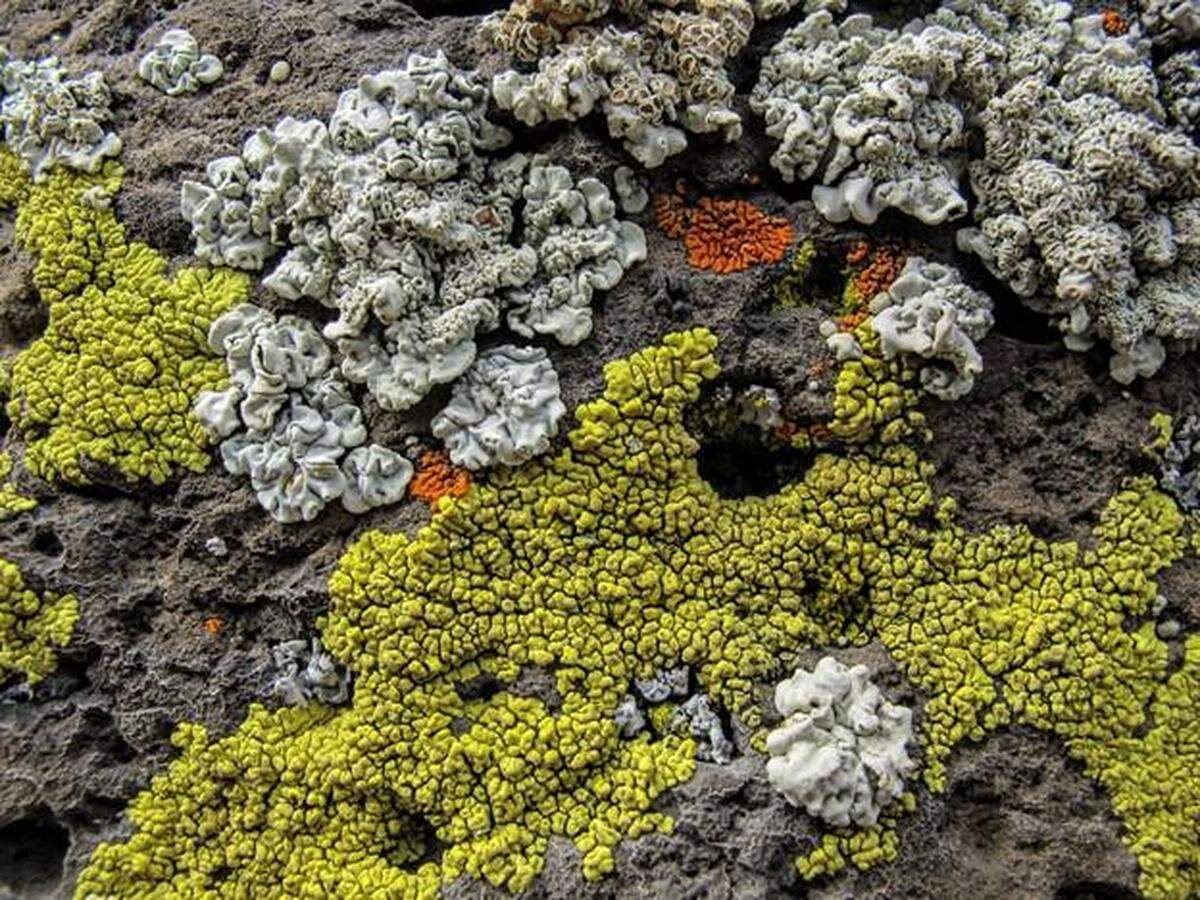
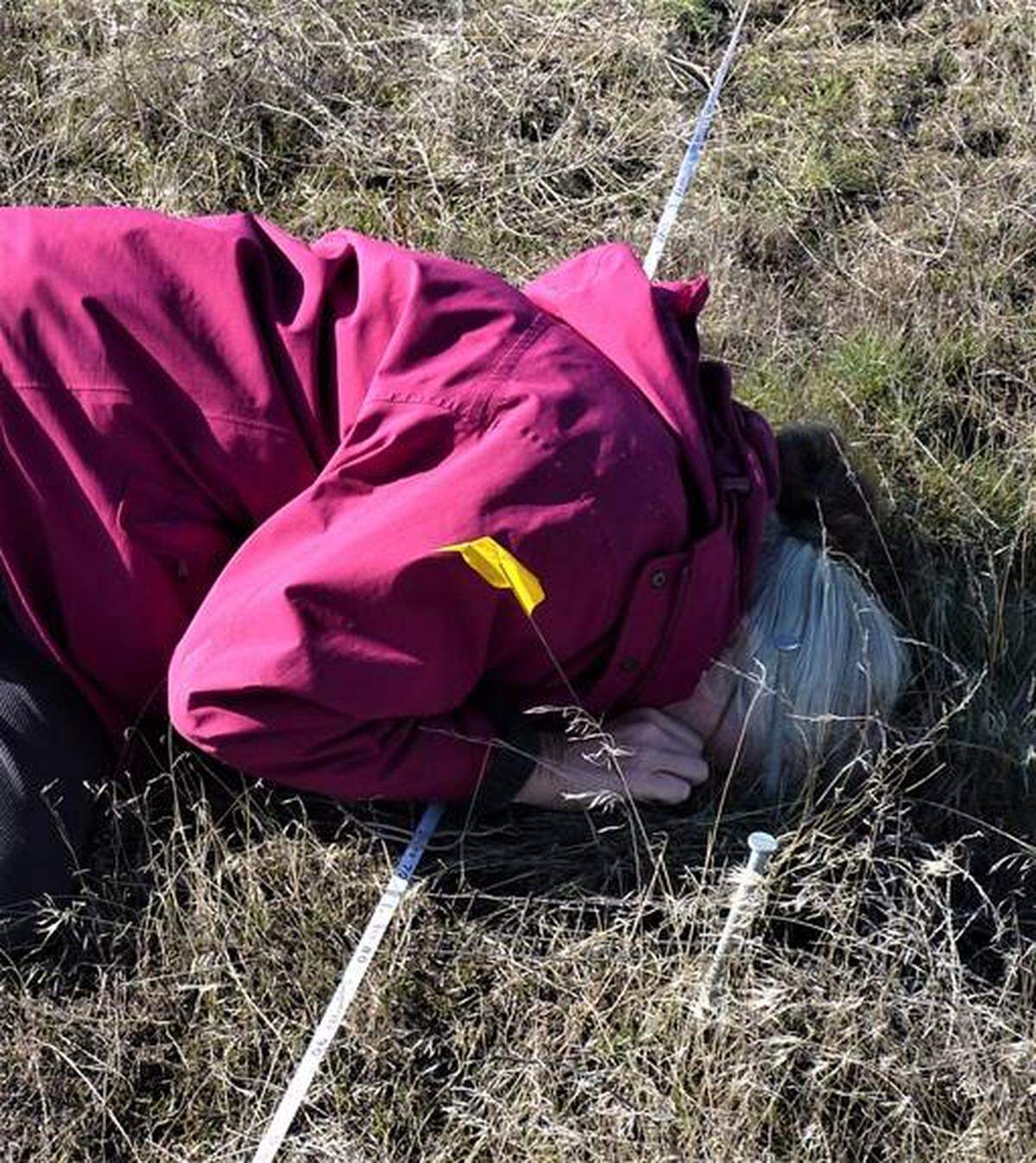
A uniquely qualified group of scientists will descend on the slopes of Badger Mountain to observe and identify as many species of lichens as possible.
While there is some knowledge of the lichens on Badger, this is the first comprehensive, expert-supported effort to formally inventory and define what is known as lichen diversity.
Lichens are a known indicator of environmental health and an effective means of assessing environmental change.
This special event is organized by a nonprofit professional group called Northwest Lichenologists, headquartered in Corvallis, Ore., in cooperation with Friends of Badger Mountain and the Columbia Basin Chapter of the Washington Native Plant Society. Members include lichenologists from all over the Pacific Northwest.
This strictly volunteer project includes seven lichenologists and soil crust experts and at least three local native plant society members.
The visiting scientists include: Dr. Bruce McCune, professor of Botany and Plant Pathology at Oregon State University; Daphne Stone, President of the Northwest Lichenologists and a professional botanist and lichenologist; and Dr. Jessica Allen, who studied fungi (mushrooms) growing in the local shrub steppe as a college student interning at Pacific Northwest National Laboratory. She is a professor at Eastern Washington University.
The goals are to inventory the lichen biodiversity of Badger Mountain, produce labeled voucher specimens, and prepare a summary report on the lichens of the area and how they vary with habitat and substrate.
The scientists will begin the three-day project on Sept. 6. They will also be making use of laboratory facilities at Columbia Basin College in Pasco, where both stereo and compound microscopes are available.
Badger Mountain is one of a series of basalt ridges in south central Washington’s shrub-steppe habitat. It supports a number of varied habitats, aspect, soil types and life history within a relatively small area.
“We’re curious about the differences in lichen communities between north and south aspects, between communities of mature sagebrush on basalt and winterfat on sedimentary interbeds, and/or between burned and unburned areas within a soil type and aspect,” said Micki Chamness, a Kennewick resident and co-President of the Columbia Basin Chapter of the Washington Native Plant Society www.cbwnps.org
Some people have grown fond of lichens, especially around Halloween. They grow them in their gardens and on their rocks. Lichens are very colorful, friendly and interesting organisms that love to grow on headstones and old trees.
They are harmless to your plants and add aesthetic value to trees and shrubs. And you can actually use them as indicators of air pollution.
The scientists will be using the network of trails on Badger that offer the public access to the ridge. Most of the target field sites would be within a mile of the trailhead. Benton County has given the group permission to go off trail and to collect specimens.
The information will be made available to anyone interested in studying the diversity of species, how they affect the environment as a whole, and how to encourage regrowth of the biological crust of the area, especially in disturbed areas to fight back against invasive species like cheatgrass.
“We are thrilled having such notable experts come here from around the Northwest,” Chamness said. “Our greatest conservation work is on the ground, and this will contribute to our ability to restore habitats, achieve good conservation policies, conduct native plant inventories and monitor rare plant populations.”
Terri Knoke, another local native plant society member, said, “People using Badger will be curious what we all are doing off the trails. No doubt there will be lots people telling us to get back on the trail. And that is not a bad thing at all.”
This story was originally published September 3, 2018 at 1:56 PM.