
30 cracked ribs. Broken arms, legs and jaw. This Kennewick man is going to miss his job
For 33 years, Rowdy Barry has stepped between bull riders and bulls, never giving it a second thought. Just doing his job so they can continue to do theirs.
Come Sept. 15, after the last bull charges out of the gate at the Othello Rodeo, Barry will dust himself off, tip his hat to the crowd and call it a career.
“It’s a tough call to make when you love what you do for a living,” Barry said at home on his Kennewick ranch. “You always wonder over the past 10 years, when is it time? The thing that broke it down for me, is I didn’t want to be a fraction slower. My job is to save a bull rider. I don’t want someone to take a hook because I’m hard headed.”
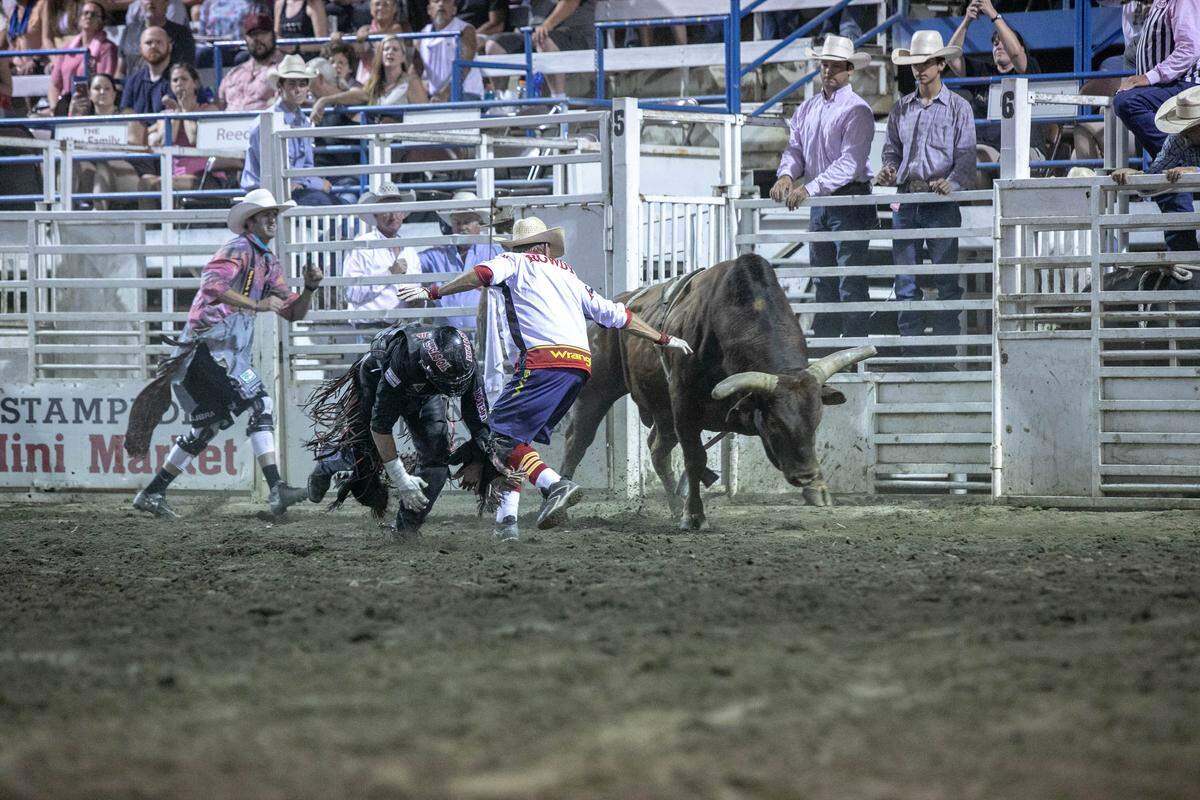
“You can always count on him,” said Texas bull rider J.W. Harris. “You’d get on Godzilla as long as (Barry’s) out there. He always has a smile on his face, and he makes your day better.
“I’ve seen Rowdy since I started, and he was going long before that. It’s pretty cool he’s still fighting bulls at 51.”
The past five or six years, Barry has limited his work to his favorite rodeos so he could watch his kids — daughter Clay and son Miles —compete in rodeos, or watch Miles play high school football and wrestle.
Barry has just four more rodeos — Moses Lake, Kennewick, Walla Walla and Othello.
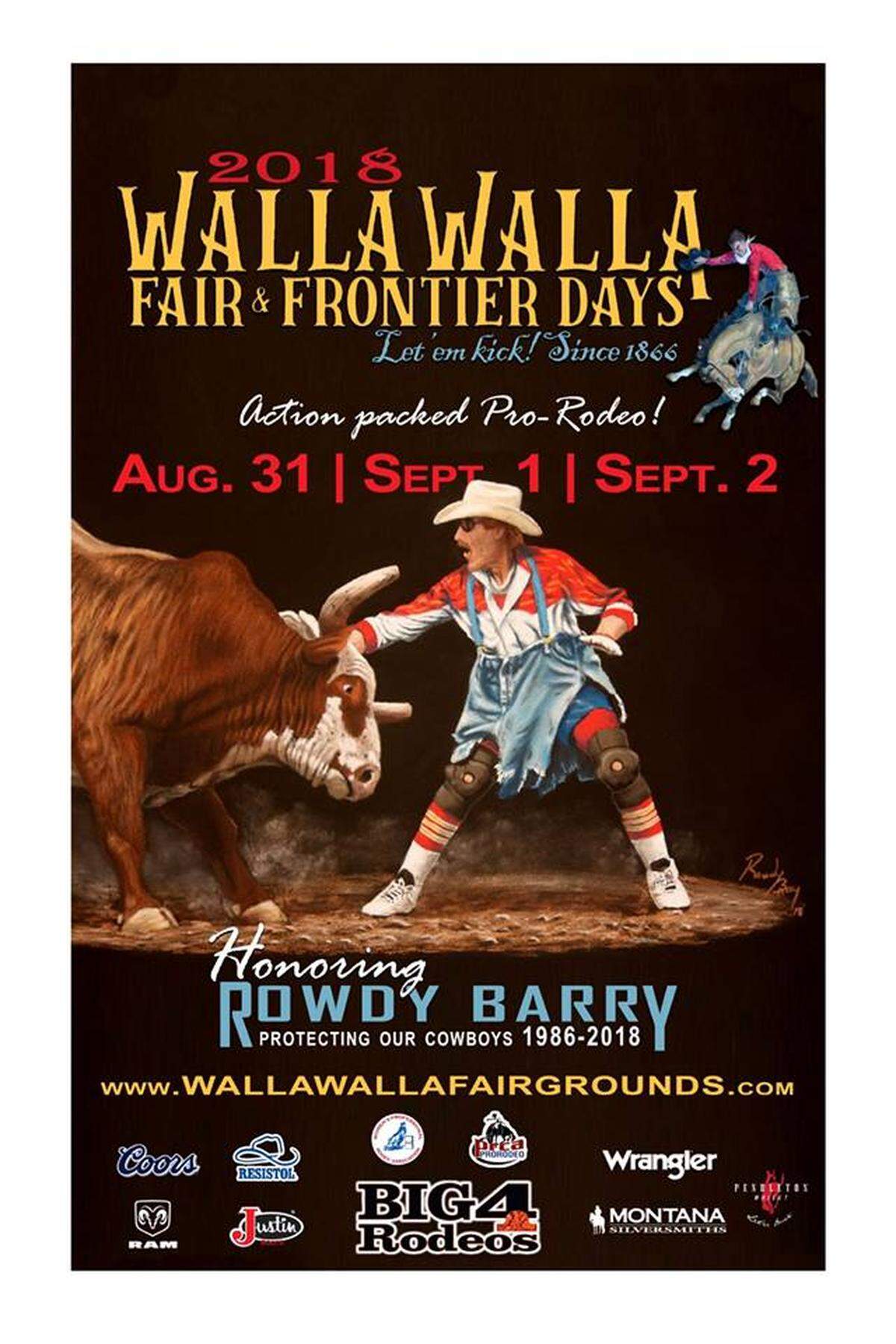
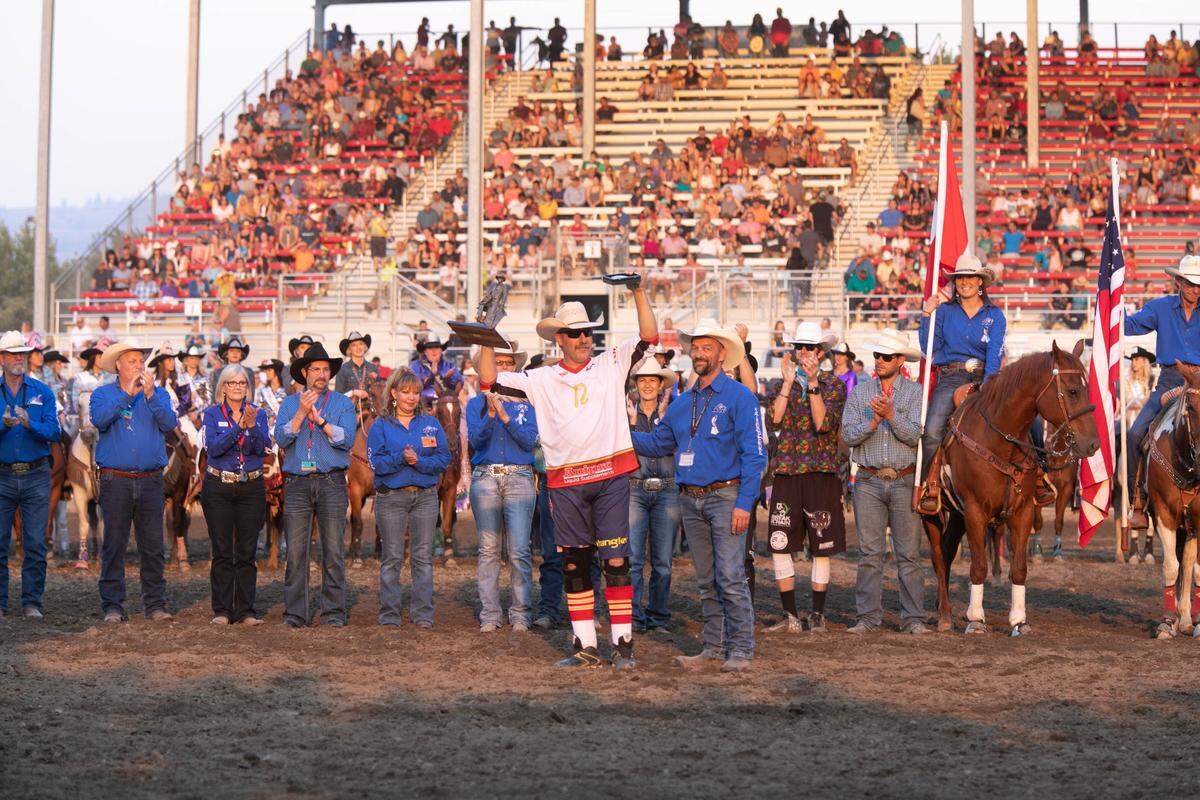
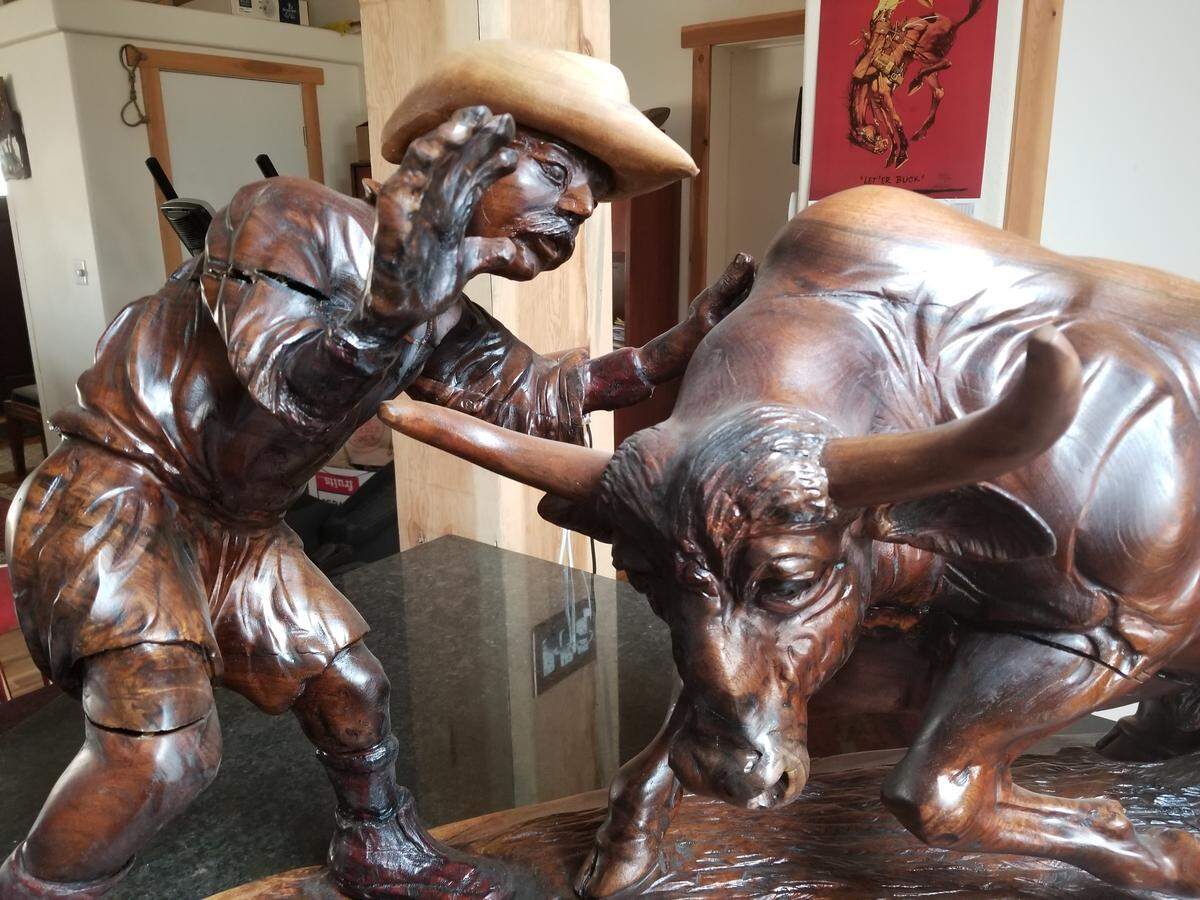
Other rodeos this year have honored Barry with belt buckles and statues. He was inducted into halls of fame in Kennewick and Omak.
Walla Walla is featuring Barry as the centerpiece on this summer’s posters and programs. The artwork was even created by Barry, also a respected cowboy artist.
While the bling is nice, Barry has been collecting his own mementos — a cup dirt from each arena.
The big decision
Las Vegas is home to the National Final Rodeo, and it’s also the place where everyone signs their contracts for the upcoming season. Once called rodeo clowns, a bullfighter’s sole job now is to protect the cowboy on the back of a bucking, twisting bull. Clowns also help distract the animal and give crowds some comic relief.
Barry has made the trip a couple dozen times to ensure he has work for the coming year, but last winter, it was on the drive down that he realized maybe it was time to call it quits.
“My brain is thinking I’m 25 and I’m 51,” Barry said. “I’m slower getting out of bed in the morning. In the past couple of years, things have changed quickly. My ankles don’t want to walk, let alone run. Before, I’d get a bruise I barely iced 20 years ago. Now, it ails me for two weeks.”
Also playing a part in his decision is his first grandchild.
Just three days before before he left for Vegas, his older son from a previous relationship, Ryan Manning, and wife Rebecca had a baby girl named Raylee.
“It’s been a busy summer, but we send a lot of pictures,” Manning said. “In the winter, we will be able to see them more.”
Retirement also will give Barry time to work on his art. He draws and paints, and has sculpted a few pieces.
He also will keep his position as president of the Columbia River Circuit, advise rodeo committees, judge freestyle bullfighting events, and possibly plan a few bullfighting clinics.
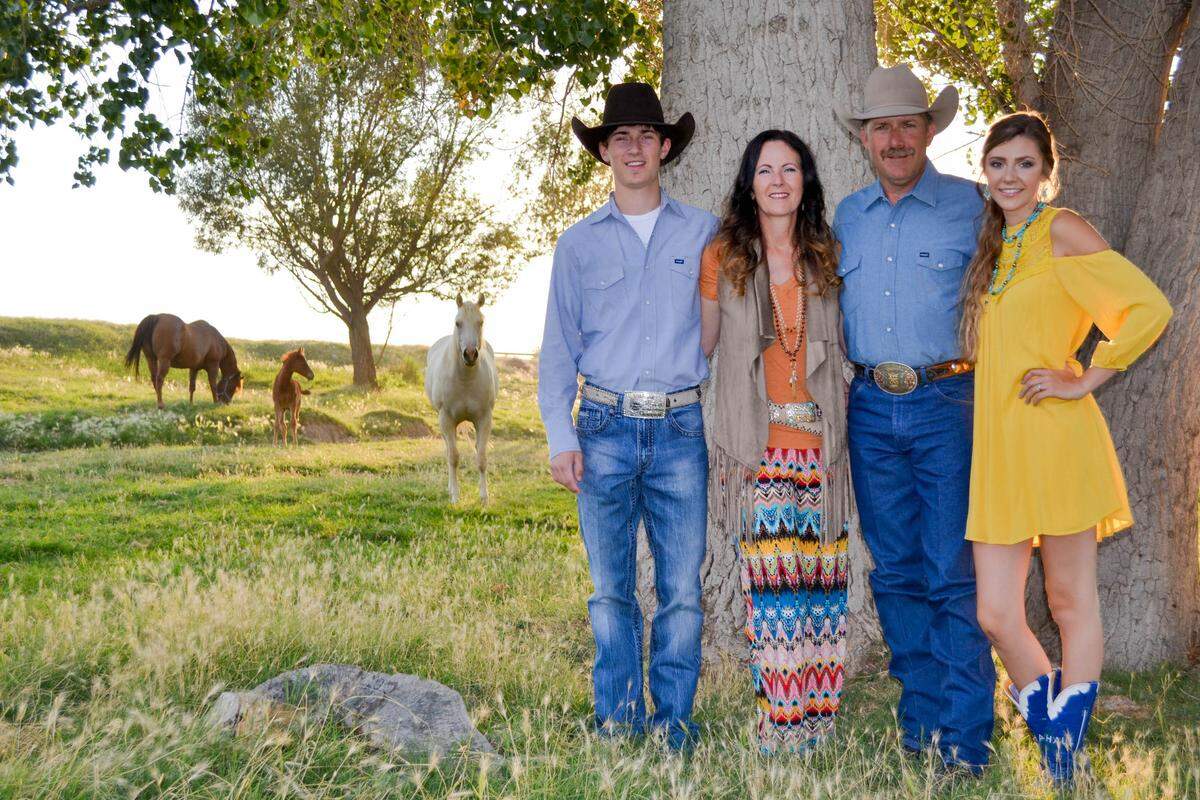
A slower and safer pace of life also will give his wife of nearly 23 years, Laura Lee, more peace of mind.
“I think she is kind of relieved,” said Barry, who met her at the Sisters Rodeo in Oregon. “She has had to deal with a lot — watching someone you love in pain. Never a day has she doubted what I do, and never has she asked me not to.”
A bullfighter in the making
Barry grew up around rodeos. His father, Ed, got on bucking horses and trained colts. But it was the 2,000-pound beasts that captured Barry’s attention from an early age.
“Bulls were the attraction,” Barry said. “Still is. I have studied them over the years. Man vs. bovine, it’s a primal instinct that goes back hundreds of years. For me, they are amazing athletes for their size. I have seen them take a barrel with a man in it and throw it 8 to 10 feet out of the arena. I have seen bulls throw guys 10 feet in the air.”
When Barry was a teen, he tried to ride bulls, but that didn’t go so well.
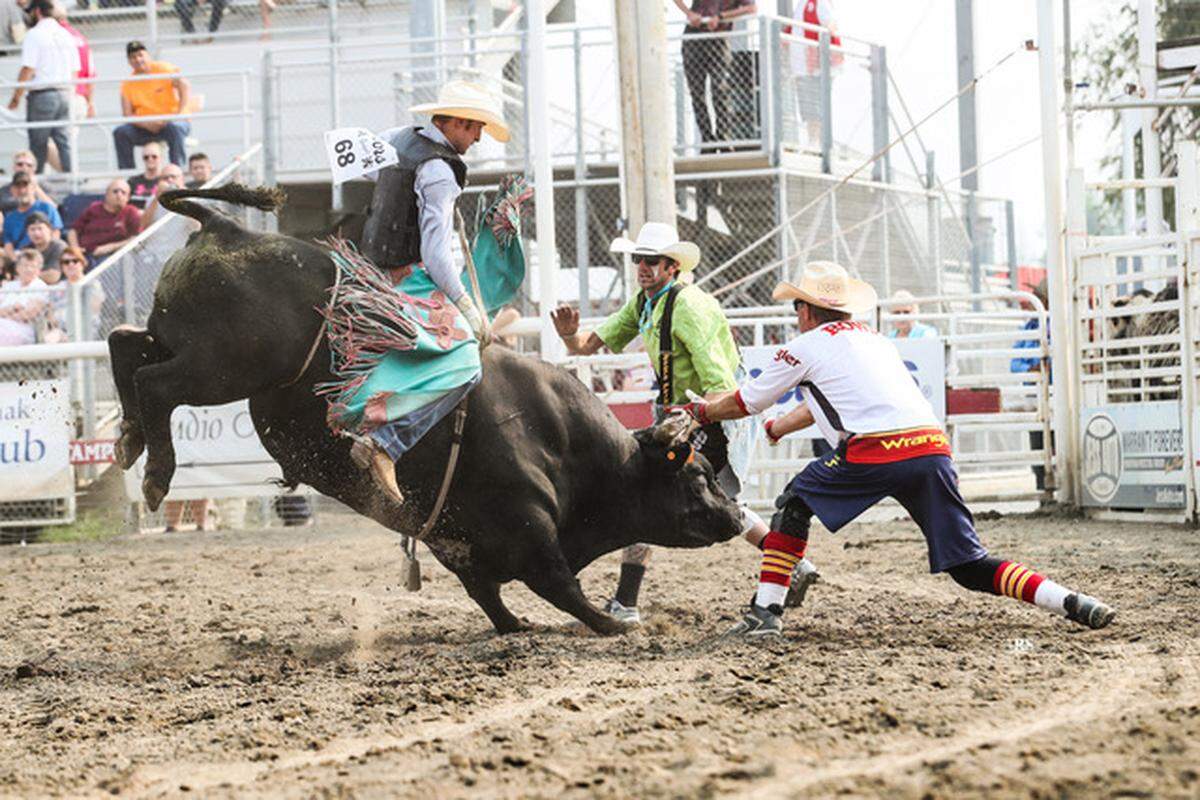
“I was 6 feet tall and a 140 pounds,” Barry said. “I got on a lot of bulls, but I didn’t ride a lot of them.”
So he decided that being a bullfighter might be a better option.
“The more I watched it, the more it intrigued me,” Barry said. “I went to school to learn more.”
Barry, who grew up in Touchet, worked his first rodeo at age 14, making a few dollars in Burbank.
“My parents supported it,” Barry said. “I went to a few schools and worked junior rodeos. I even hitchhiked to go watch the Wrangler Bullfights in Lewiston.”
He worked his first big rodeo when he was 18.
“Omak was the first to sign me up with a contract,” he said.
In addition to bullfighting, Barry competed in Bullfighter Only events.
“I was known as the kid who jumped bulls,” he said. “It helped put my name on the map when I went to the (contract) convention in 1985.”
A few miles on the tires
Barry has worked all over the Northwest and Canada. He was a staple in Reno for years. He worked two National Finals Rodeos (1992 and 1999) and was an alternate in 2000.
Though Kennewick is his hometown rodeo, he never worked in the arena until the legendary Leon Coffee got hurt, and Barry got a call at 1 a.m. to fill in the next day.
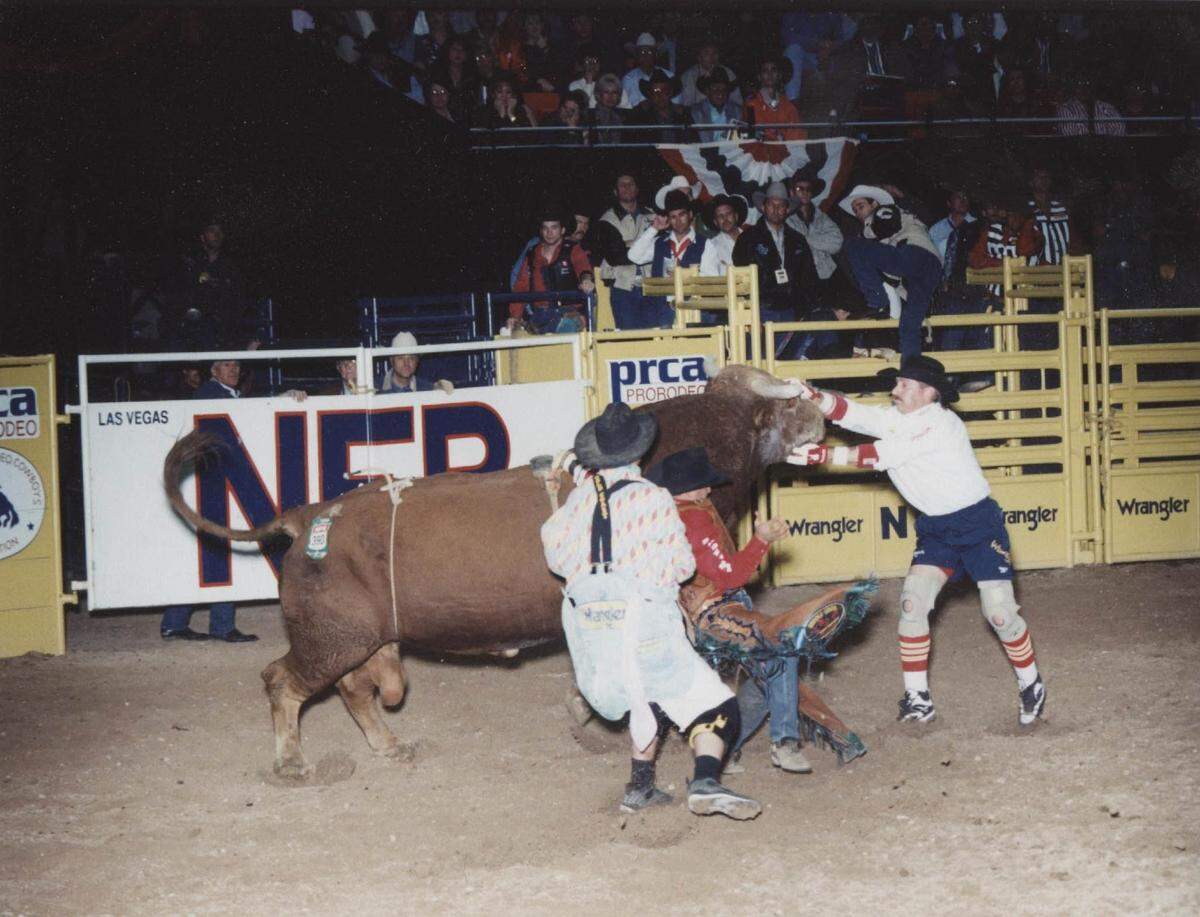
That was the late 1980s. He didn’t work that arena again until 1992, when Eddie Hatfield blew out his knee and Barry replaced him. He’s pretty much been a regular since.
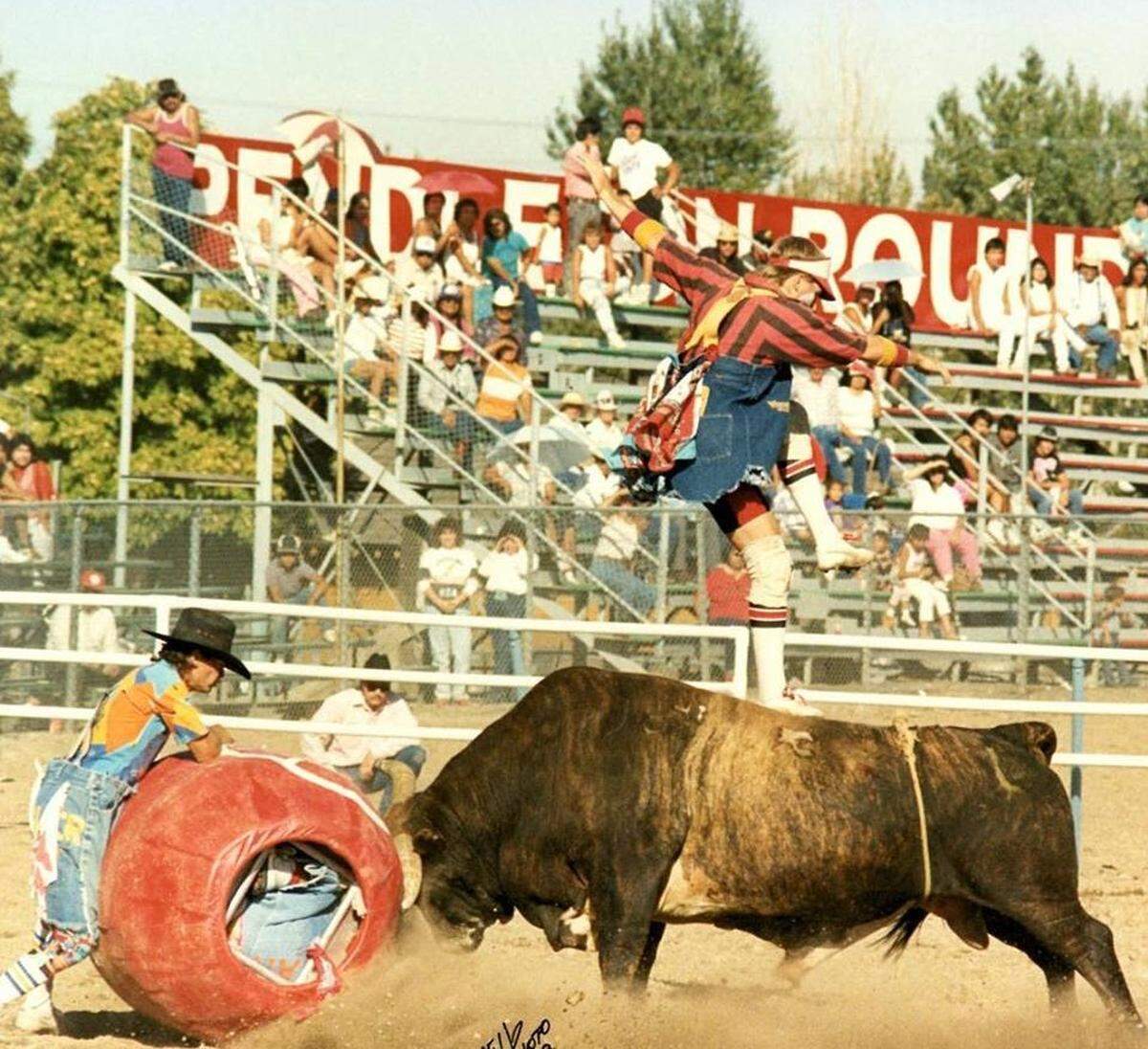
He’s also worked The Farm-City Pro Rodeo in Hermiston, the Pendleton Round-Up, the College National Finals, the High School National Finals and the Columbia River Circuit Finals.
Not an easy job
Over the years, Barry had his fair share of bumps, bruises, horns to the backside and broken bones.
Battling 2,000-pound angry bulls four nights a week, it’s a wonder his career has lasted this long.
“I’ve had ankle surgery and a couple of knee surgeries,” he said. “I’ve broken legs, arms, hands, and I’ve had 30-plus rib fractures. Especially when I was younger — before all the protective gear came out. I’ve also broken my collar bone, my jaw and my nose a couple of times.”
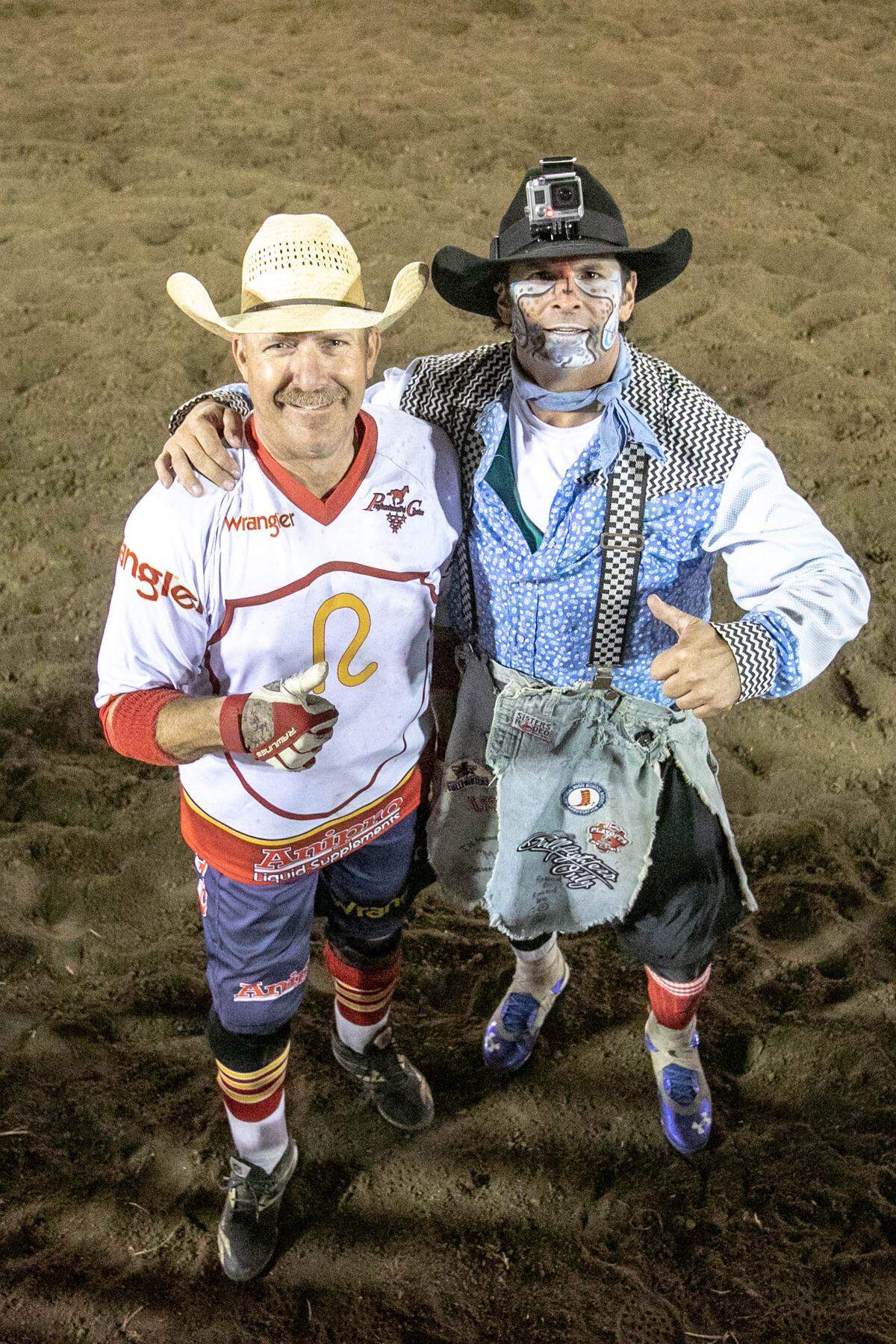
One night when Harris was competing in Reno, Barry had his back. To be more precise, the bull had Barry’s backside.
“I was hanging on until the last second and I knew he would be there,” Harris said. “Guys like him, that’s what helps us to be good bull riders. I know he took a good one after that.”
But there was was no sympathy from Harris.
“They sign on for this,” he said. “There are nights I don’t make anything. They are getting paid no matter what — whether you get hooked or they get hooked.”
One of Barry’s worst injuries happened in July 2002 at the High School National Finals. He took a horn between the legs and was sent flying 8 feet in the air. He broke his leg and tore the ACL in his knee. He was out for 10 months.
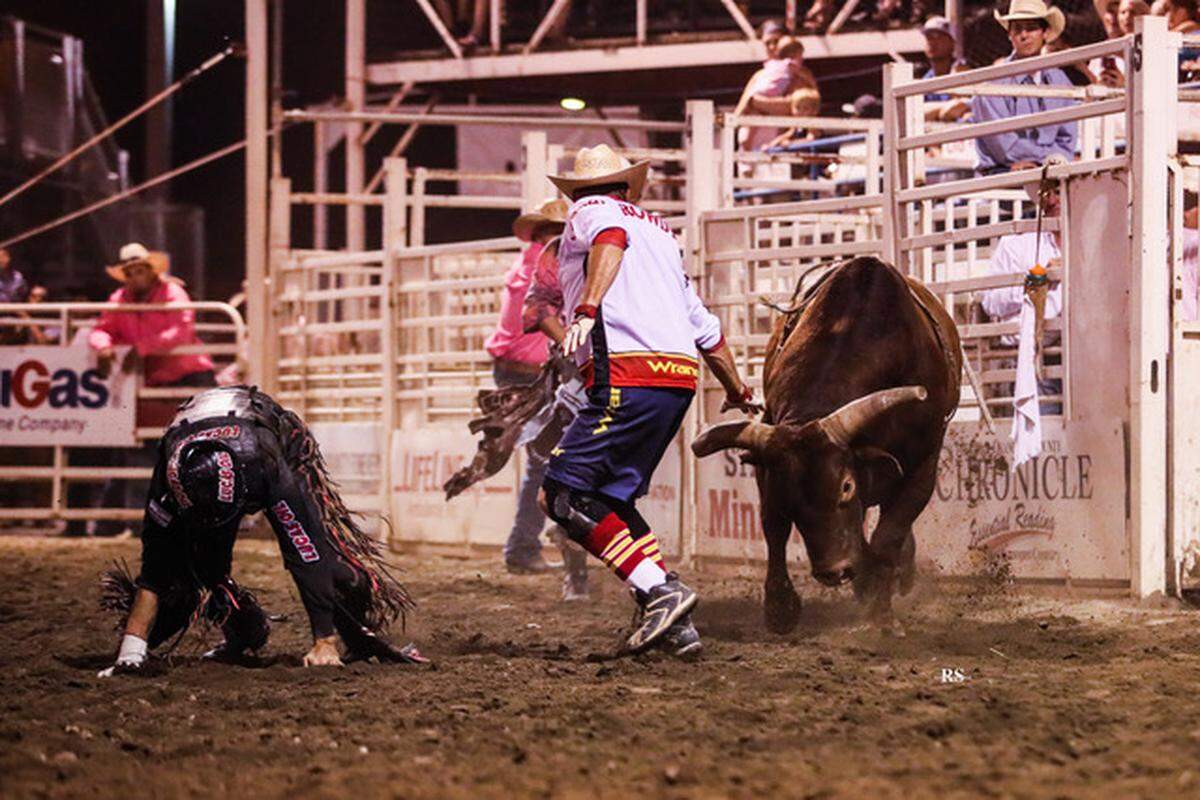
Barry suffered a back injury 10 year ago but didn’t get it fixed. He would have lost the rotation in his hips, which is vitally important in his line of work.
“I am bone-on-bone where I blew a disc out between L5 and S1,” he said. “I’m waiting for my career to be over to have it fixed. They wanted to do it back then, but I wasn’t ready to be done.”
A family business
While the sun is setting on Barry’s career, his sons will continue in the family business.
Manning, 30, has been working Professional Rodeo Cowboys Association events since 2012, while Miles, 17, has to wait until he is 18 to get his work permit.
Miles has been competing in Bullfighters Only events and has been working smaller rodeos until he can work in the big arenas.
“For me, it is hard to discourage him from something I would do in a heartbeat,” Barry said. “It is a passion of mine. It is a blessing and a curse to be my son.
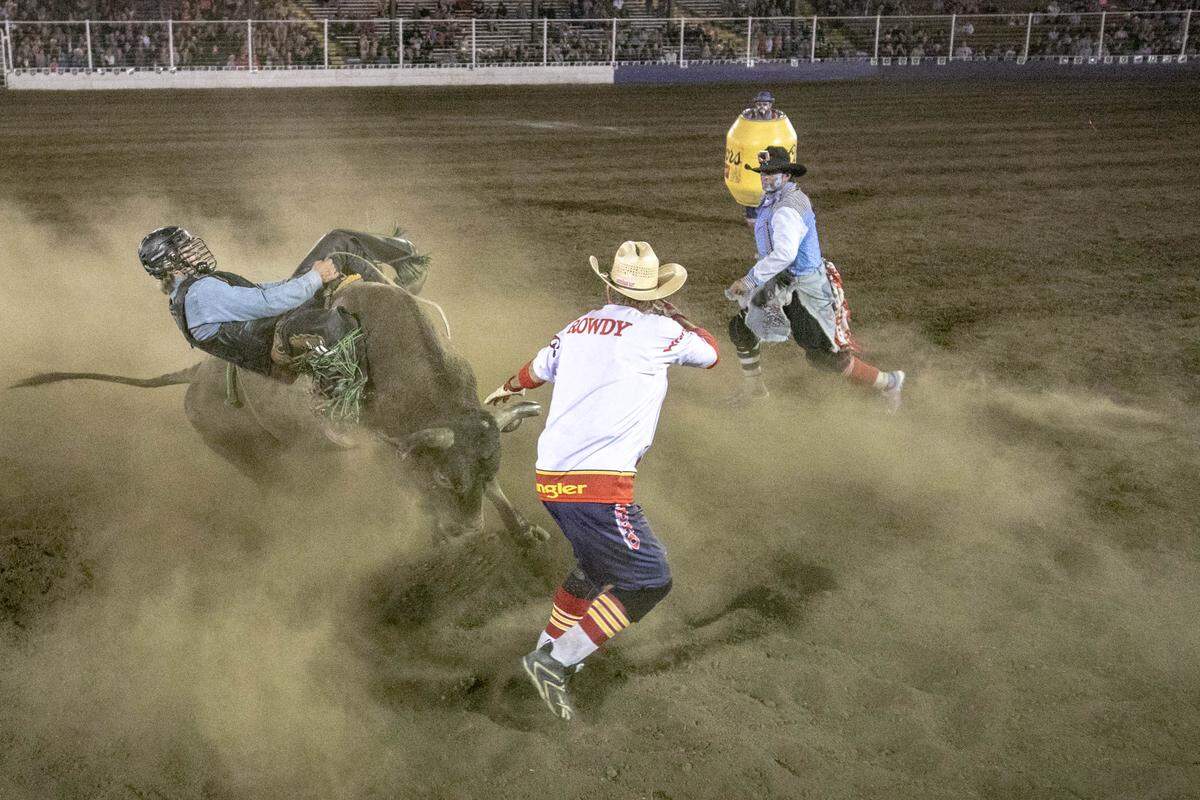
“Growing up, he watched me work with the best in the world. He doesn’t know any way but to do it right. Being my son, he is expected to do it right. He is a natural. So gifted. I have to remember he’s just 17. Where he is now, to where I was when I was 17, is night and day.”
As a teen, Manning first saw Barry work at a Professional Bull Riders event in Pendleton.
“It made the hairs on your arm stand up,” Manning said. “I couldn’t imagine doing that.”
Fast forward a few years, and Manning is putting himself in front of bulls.
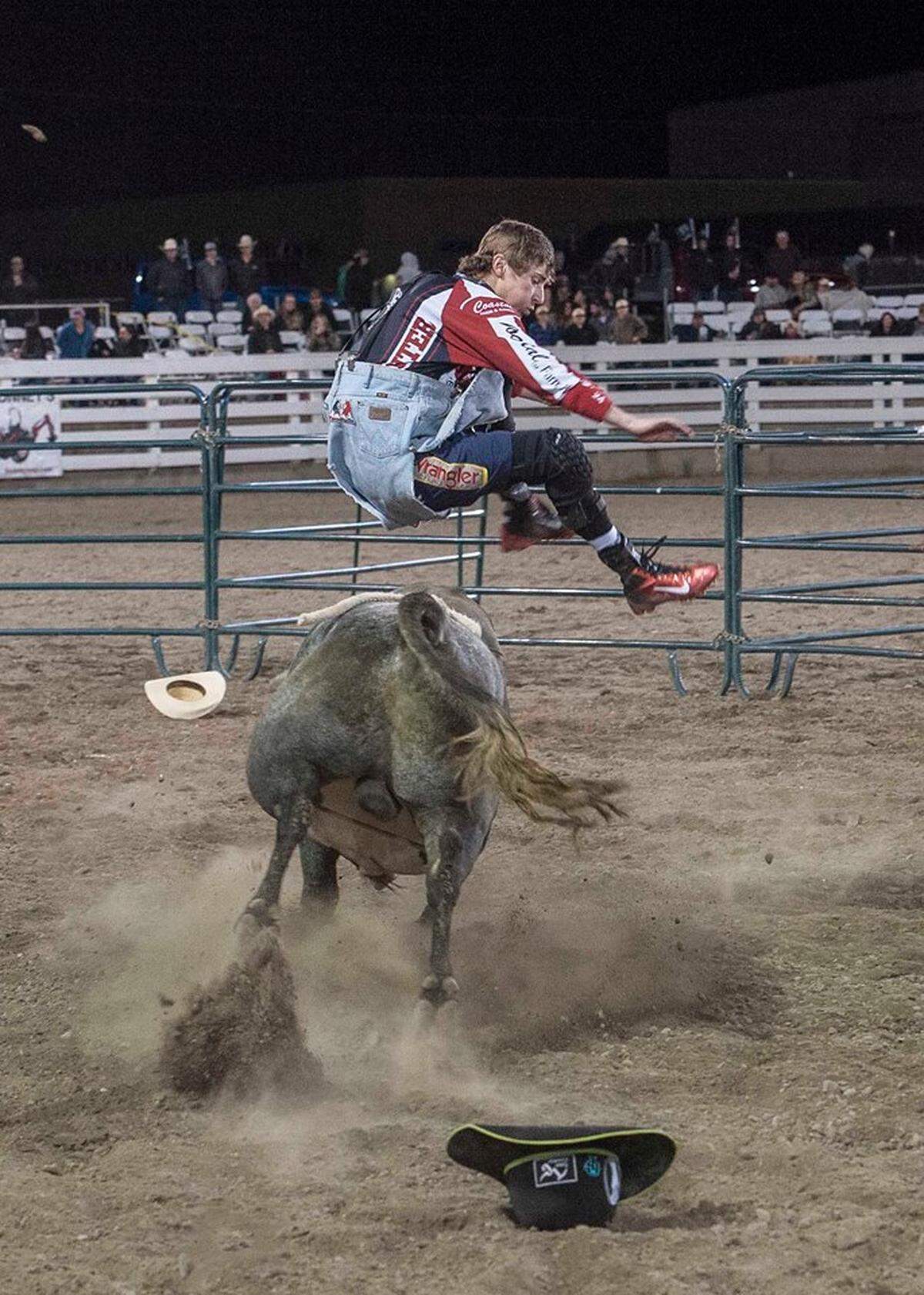
“I thought I could do it. I was an athlete in high school, and I was younger,” Manning said. “We were at a roping practice at the house and there was this steer. He got me down one time and it was a rush. I started going to practices and schools. I went to every rodeo I could of his to watch and learn from him.”
Manning and Barry have worked several rodeos together, and two weeks ago in Sandpoint, Idaho, was their last.
“We tried to soak that up as much as we could,” Manning said.
Now, he and his brother will make memories together.
“We worked the Washington High School Finals together the past couple of years,” Manning said. “We’ve worked the Helix Rodeo and some high school rodeos.
“I’m excited. There will be many more to come.”
This story was originally published August 18, 2018 at 1:06 PM.