
What will stop people dying at Palouse Falls? The state is trying these
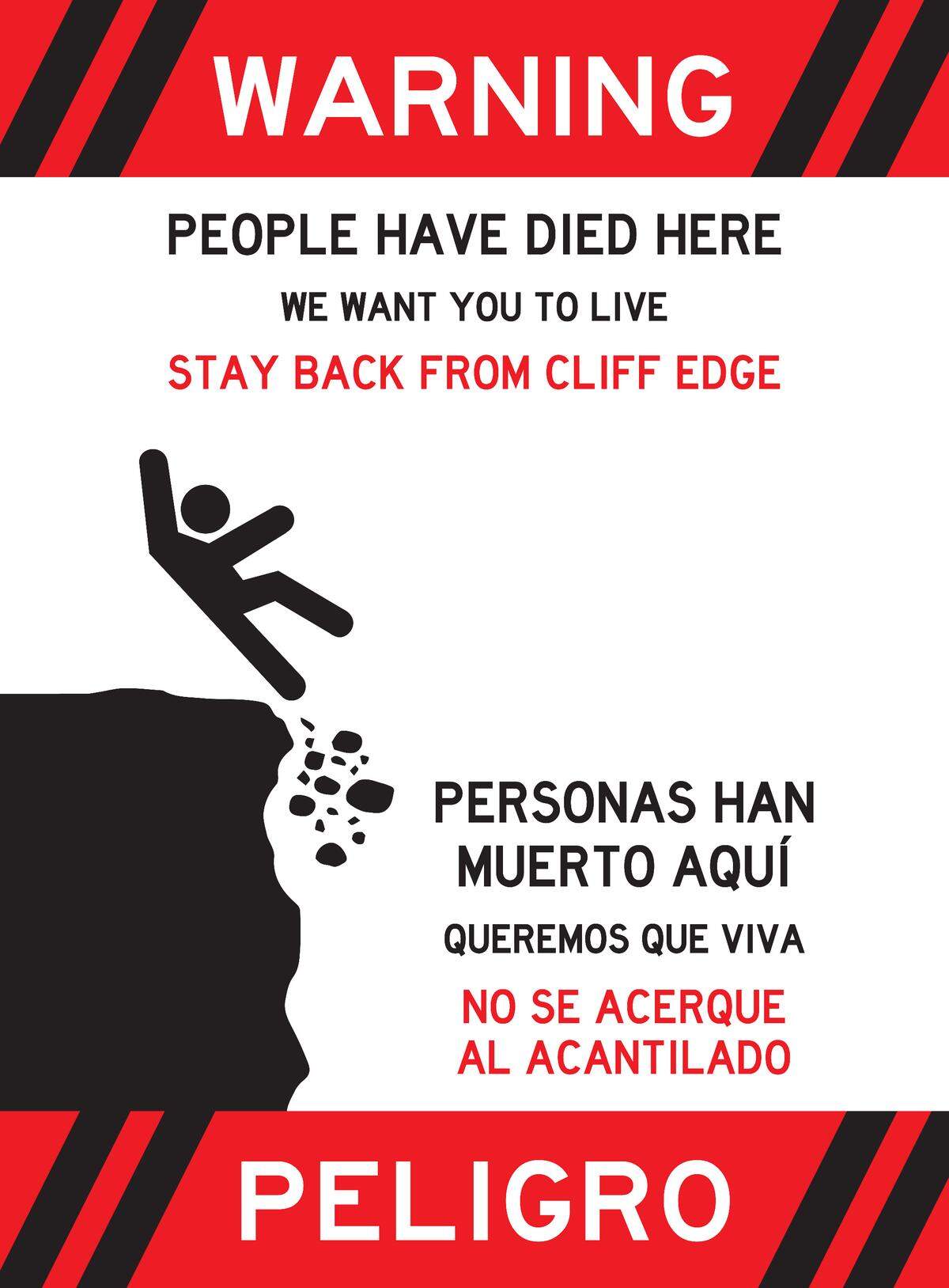
New signs at Palouse Falls State Park are blunt.
“Warning — People have died here,” one says. “We want you to live — Stay back from cliff edge.”
The signs and additional fencing are the latest attempt by Washington State Parks officials to help visitors at the park in Franklin county understand that the risk of death at the falls is real.
The new signs and fencing have gone up after two young men died there this spring.
They were among four men, all in their 20s, who died at the park since 2016 after following unofficial trails into undeveloped areas.
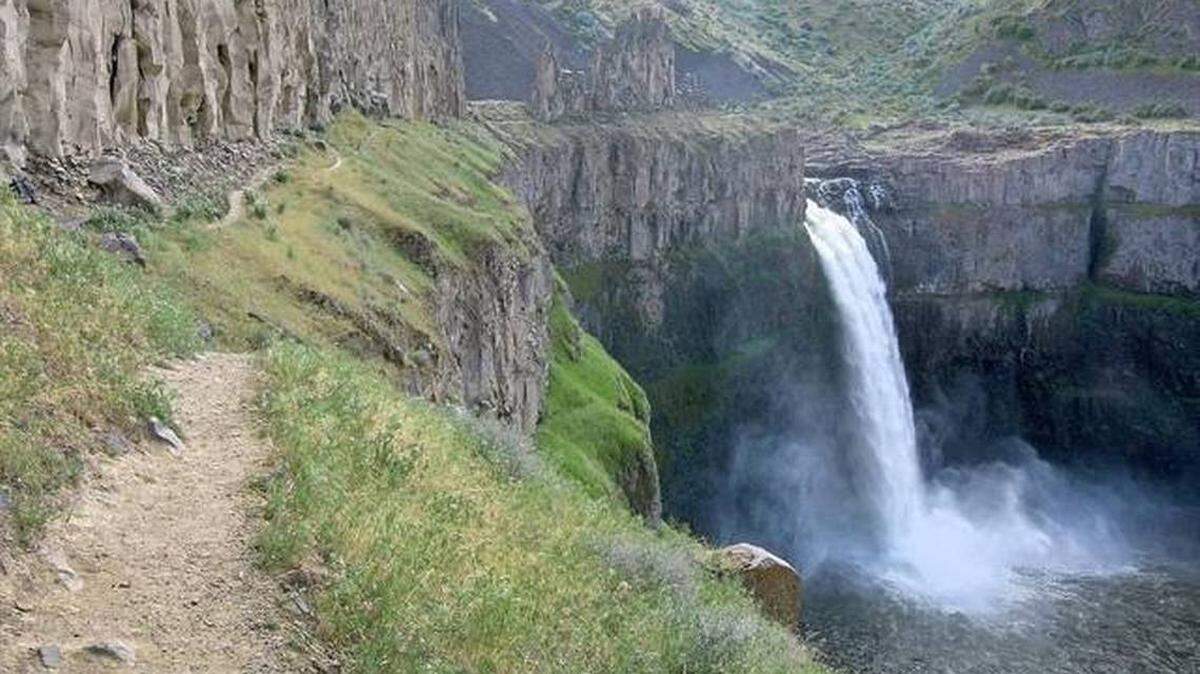
Two of them fell to their deaths from the rocky cliff sides of the Palouse River above the falls, and two drowned while swimming beneath the falls.
The new signs were made to give as strong and succinct a message as possible to visitors, said Audra Sims, Blue Mountain area manager for Washington State Parks.
They show dogs and children slipping at the edge of the cliffs as rocks give way, warning parents to watch their children and keep dogs on a leash.
The signs warn that there is no safe river access and swimming is not allowed.
“Best waterfall views are behind you,” says one new sign.
The text is in English and Spanish.
But even as parks employees were installing fencing and new signs, visitors were walking past, seemingly oblivious, said Sims.
The real test of whether the changes improve safety will come next spring.
The park remains open and offers tent camping year round. But most visitors come during the spring snow melt when the Palouse River is at its highest and the most water plunges off a basalt rock shelf to a churning bowl nearly 200 feet below.
All four recent deaths were in the spring.
The developed area of the park allows three distinct views of the falls.
But most of the 105-acre-park is undeveloped.
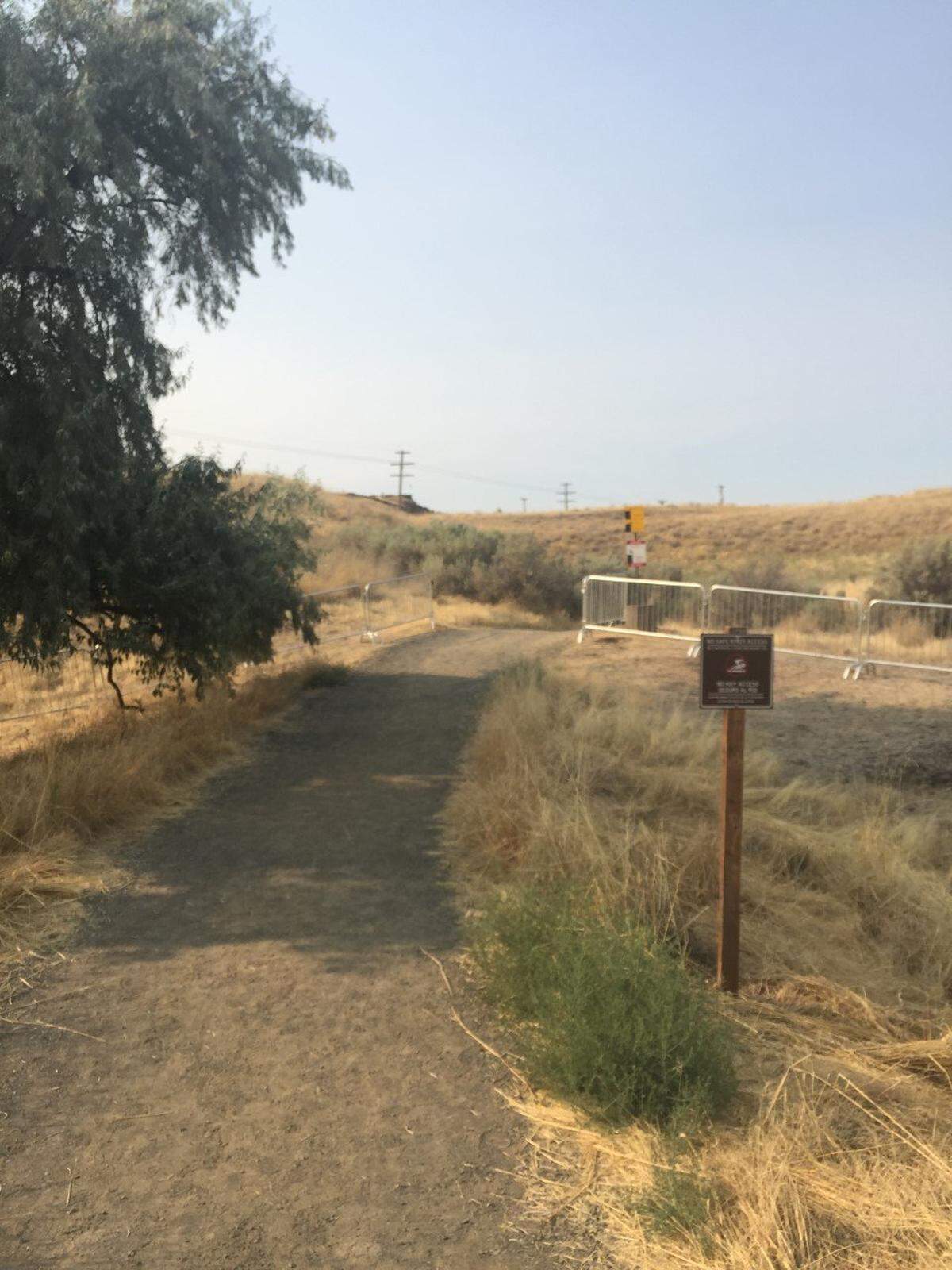
People are not being blocked by the new fences from going into the park’s “back country,” Sims said. But the fencing does provide a single point where people enter the undeveloped area.
They can’t help but see signs there clearly spelling out the hazards, unless they choose to go over the new fence, which is low enough to allow wildlife passage, or scale the fence at the front of the main day-use area.
“(New fencing) is serving as a clear and an unrefutable delineation between the developed, safer area of the park and the undeveloped, more hazardous, sections of the park,” Sims said.
The new signs are in addition to other warnings, which are grouped to minimize sign pollution that would detract from the landscape and view that people travel to the park to see.
Parks officials have had reader boards along the roadway into the park, signs on existing fencing and fliers on bulletin boards
They tell visitors that the park has little to no cell phone service, that the nearest hospital or emergency clinic is at least an hour away, and that’s at least how long it will take emergency responders to arrive at the remote park in northeast Franklin County.
Rescue costs are at the expense of the injured party, signs announce.

“This park is a rugged, remote, extreme environment,” Sims said. Dangers include heights, rocky terrain, strong water currents, summer heat and wildlife that includes rattlesnakes.
In the 40 years Sims has worked as a park ranger or in other outdoor recreation, she’s seen a change in people’s level of experience with the outdoors.
Now she’s seeing visitors to their park who overestimate their outdoor abilities and how prepared they are to venture into undeveloped areas, she said.
Visitors need to not only understand hazards they may encounter, but consider their fitness level, if they are wearing proper clothing, have water, whether they are visiting with children or pets, and their level of experience in steep, hot terrain.
Some visitors have worn flip-flops as they walk on loose, slippery rock and on cliffside trails, tilting toward the water, that other visitors have worn into the landscape.
The increasing popularity of the park has led to other problems in an area long used by Native Americans.
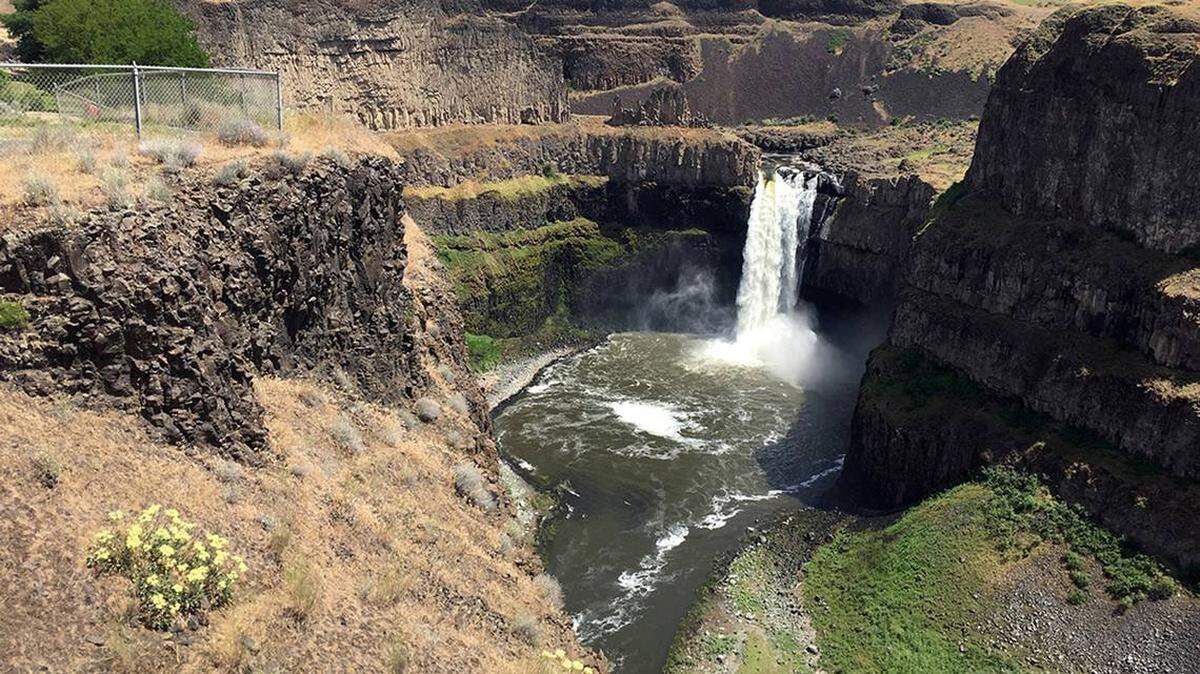
Graffiti has been spray painted on the rocks above the falls and habitat has been degraded by people who trample plants to wear brown, unofficial trails across the landscape, Sims said.
A decade ago the park, created in 1951 from donated land, had about 46,000 visitors a year. Last year, that had increased to 200,000.
Park officials credit its increased popularity not only to Palouse Falls being named the state waterfall in 2014, but also to the popularity of social media, with visitors posting their photos of the falls on line.
The falls are gorgeous and powerful and well worth the drive to see, Sims said.
But park officials want visitors to make a thoughtful decision about whether they should be venturing to its more hazardous areas.
This story was originally published August 5, 2018 at 3:53 PM.