
The Tri-Cities could own its riverfront again. Skeptics worry condos and more will be next
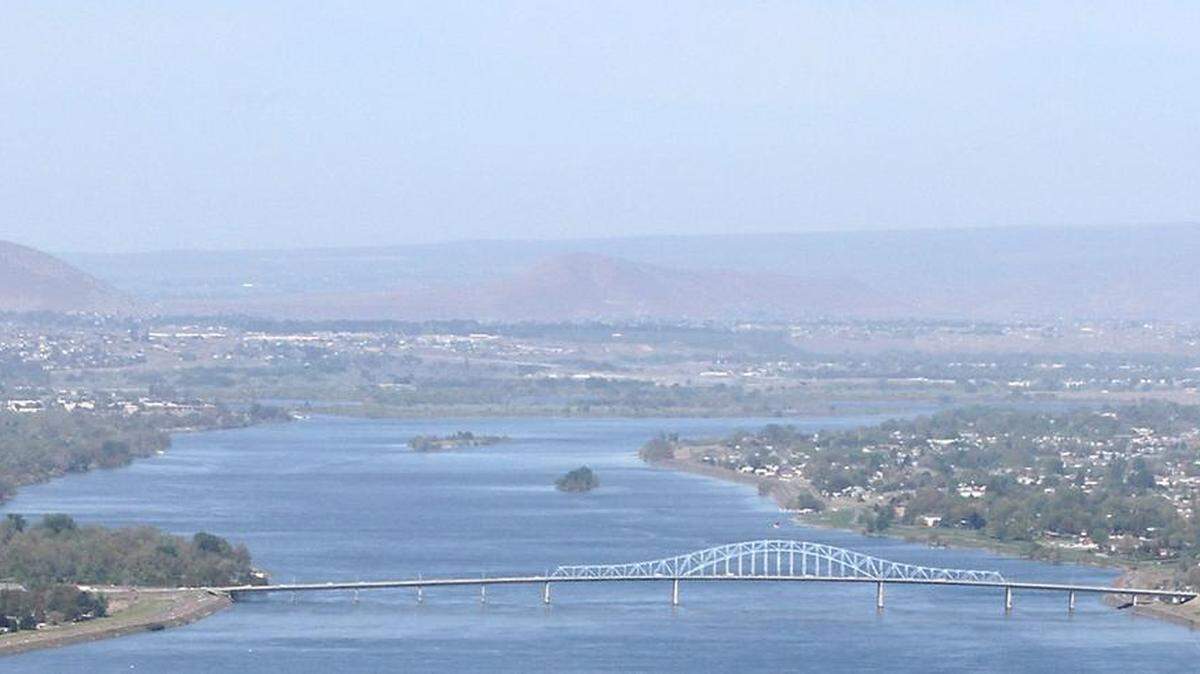
Advocates who want the Columbia River shoreline returned to local ownership are trying to assure skeptics they’re not opening the door to rampant development on the Tri-City waterfront.
In a first-of-its-kind gathering, more than 100 people attended a forum about the future of the shoreline Thursday at Clover Island.
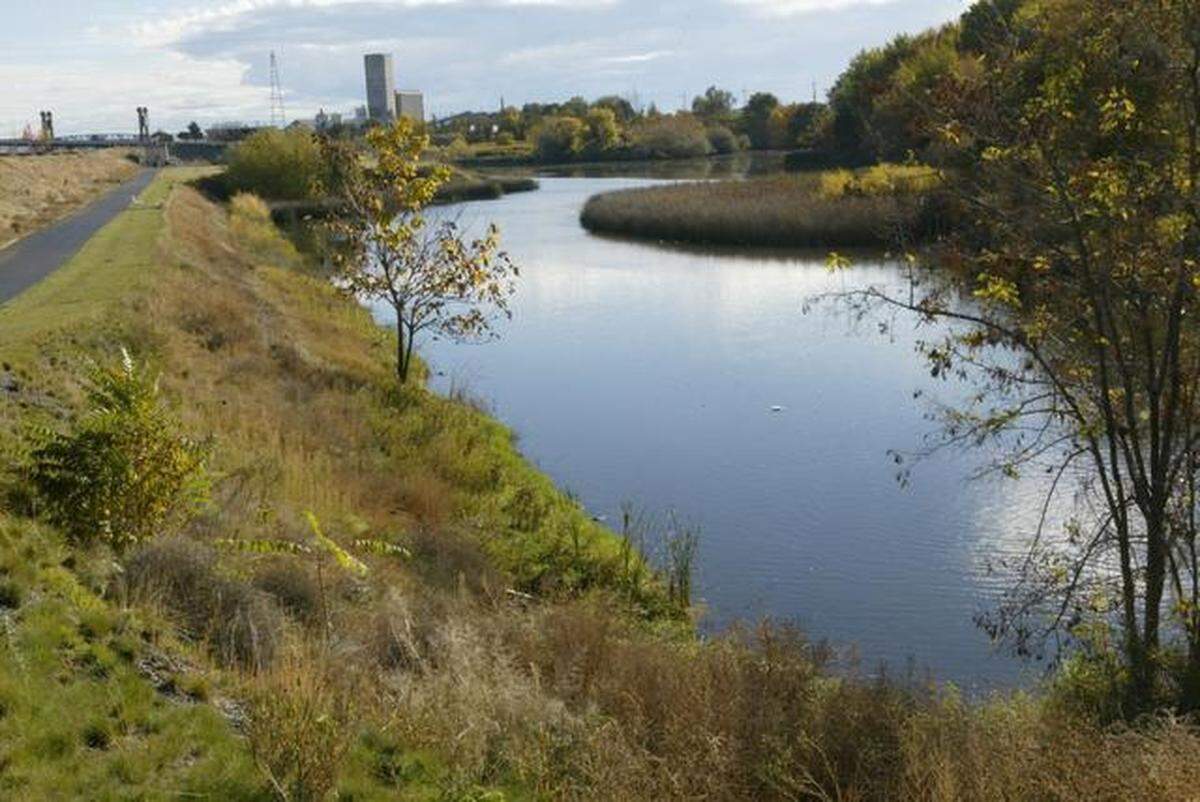
Local governments and business groups are unified in wanting Congress to return 34 miles of waterfront real estate to local control so the Tri-Cities can capitalize on its greatest asset — the river.
The government acquired more than 40,000 acres on the river from private owners beginning in 1945 in the run-up to construction of McNary Dam and associated flood-control levees.
With the risk of major flooding mitigated by dams, advocates say it’s time to turn the property back to the community.
Not everyone agrees.
Thursday, residents said they fear local officials will cave to developers, who might want to line the river with upscale condos, restaurants and amenities ordinary Tri-Citians can’t afford.
They also fear the cities will inherit costs borne by the Army Corps of Engineers.
“We’re concerned because of what we hear about the potential for economic development in the park,” said Debbie Berkowitz, a former Richland planning commissioner and secretary for the Audubon Society.
How it started
The push for local control dates to 2014, when U.S. Sen. Patty Murray, D. Wash., encouraged former Kennewick Mayor Brad Fisher to build support for the idea.
Fisher teamed with former U.S. Rep. Doc Hastings, a Pasco Republican, and Gary Petersen, now retired from TRIDEC, to pursue the transfer.
The argument goes like this: Kennewick, Pasco and Richland collectively spend about $2 million annually to maintain their waterfronts and parks without controlling the land.
Local control would allow them to invest in recreation amenities and limited commercial development, such as cafes and a fishing pier.
Advocates insist there is no intent to pave the waterfront with private development.
Who’s in, who’s not
The three cities, together with Benton and Franklin counties and the three local ports, have lent varying degrees of support for exploring the idea.
Business groups including TRIDEC, the Tri-City Chamber of Commerce and the Tri-City Association of Realtors are on board too.
Skeptics include the Confederated Tribes of the Umatilla Indian Reservation, which has expressed concern about potential effects to culturally significant sites.
In May, Pasco-based Consejo Latino demanded greater transparency in a letter to Washington’s two senators and U.S. Rep. Dan Newhouse, R-Sunnyside.
The letter, signed by Felix Vargas and Peter Rieke, asked the cities to create a commission to hold public hearings and parse out the details.
Thursday, Rieke repeated the call for more public engagement.
“We can’t support reconveyance until we know exactly what is being proposed,” he said, adding that he is “wary” of the motives of the people pushing for it.
Others said Tri-Cities leaders are naive to think ownership won’t carry unanticipated costs or liability for complying with environmental regulations.
The $2 million cities already spend on waterfront maintenance could pale when compared with even the cost to replace pumps, currently the Army Corps’ responsibility.
“Do we want to add a tax burden to this community?” asked Rick Leaumont of the Lower Columbia Basin Audubon Society.
Critics said holding a forum on a Thursday morning assured few working people would be able to attend. The gathering was timed to accommodate Newhouse.
He canceled to attend a funeral for a long-time employee of his Sunnyside farm.
The next forum is set for 6 p.m. Sept. 5 at the Richland Community Center.
Where the process stands
Newhouse sent a statement saying he embraces a robust community conversation and will continue to push Congress to support the transfer.
“I fervently believe in local control over local lands,” he said.
Congress gave it a preliminary look in 2016 when it tucked language into the National Defense Authorization Act that required the military to account for how it acquired the shoreline.
Last summer, it released reams of documents showing it paid the private owners in Benton, Franklin, Walla Walla and Umatilla counties fair market value for their land.
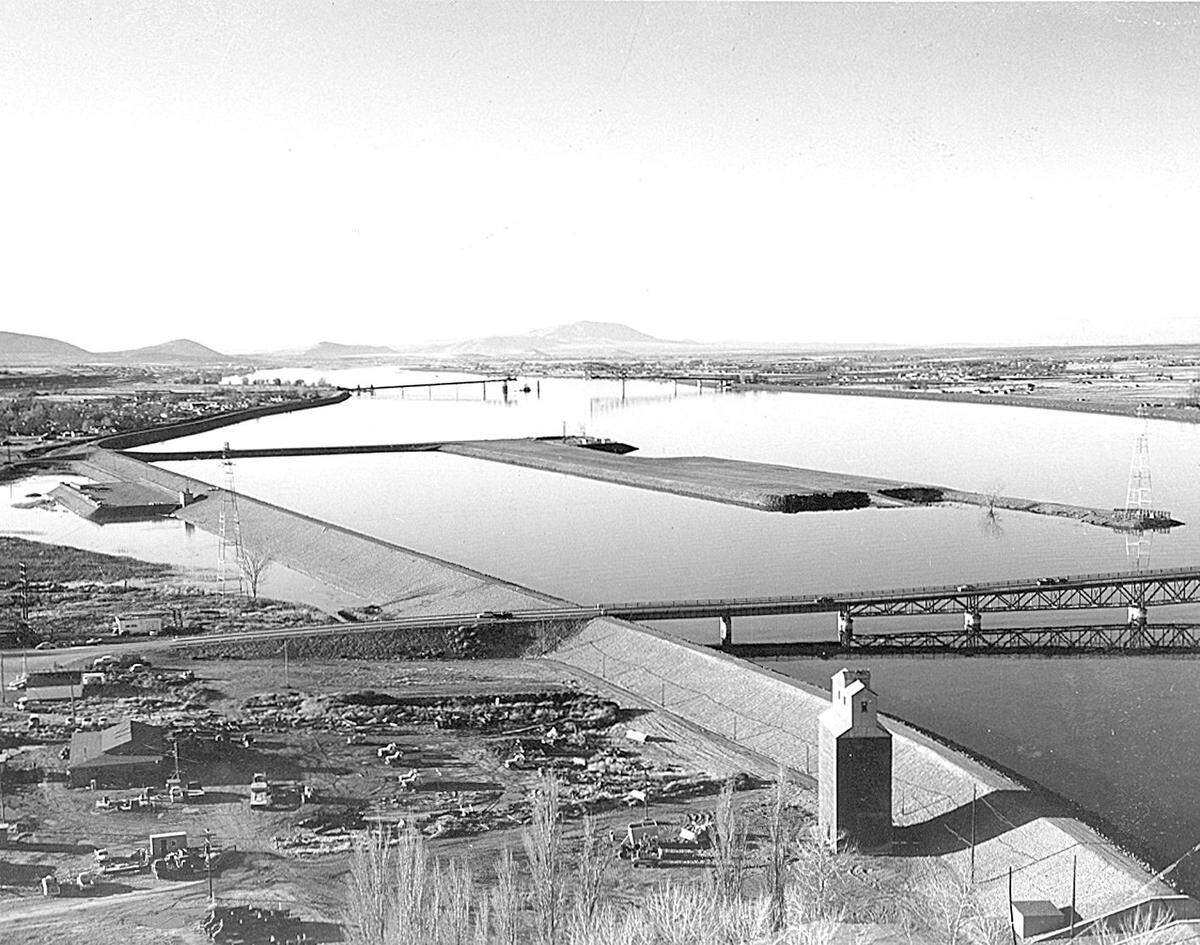
A 1945 report on land acquisition associated with construction of McNary Dam indicates the government paid up to $5 an acre for grazing lands, $80 for non-irrigated land, $250 for irrigated, $500 for vineyards, $1,000 for orchards and $4,000 for urban-industrial lands.
The report anticipated securing 42,000 acres in the four counties, presuming construction of levees, at a total cost of about $4.4 million in 1945 dollars — $62.3 million today.
The government expected to secure 13,327 acres in Benton County and 5,714 in Franklin, with a combined value of about $2 million in 1945 dollars, or $30 million today.
Without levees, the government would have had to acquire about 60,000 acres that would have been submerged or affected by the new dam.
Earlier this year, language that would have directed the government to transfer ownership was removed from the current Defense Act after the Congressional Budget Office flagged it for review of potential effects.
Texas Rep. Mac Thornberry, the Republican chairman of the House Armed Forces Committee, laid out questions he wants answered before moving forward, including a detailed review of the future use of the land and if the military has a continuing need for it.
Newhouse said the questions are daunting, but answerable.
“This provides a clear checklist to move forward,” he said.
This story was originally published August 2, 2018 at 5:06 PM.