
Here’s one man’s view of the Tri-Cities and Eastern Washington at night
Kevin Roylance thinks nothing of hopping in his car, heading out into hinterlands and spending night after night for weeks on end, taking pictures of the night sky.
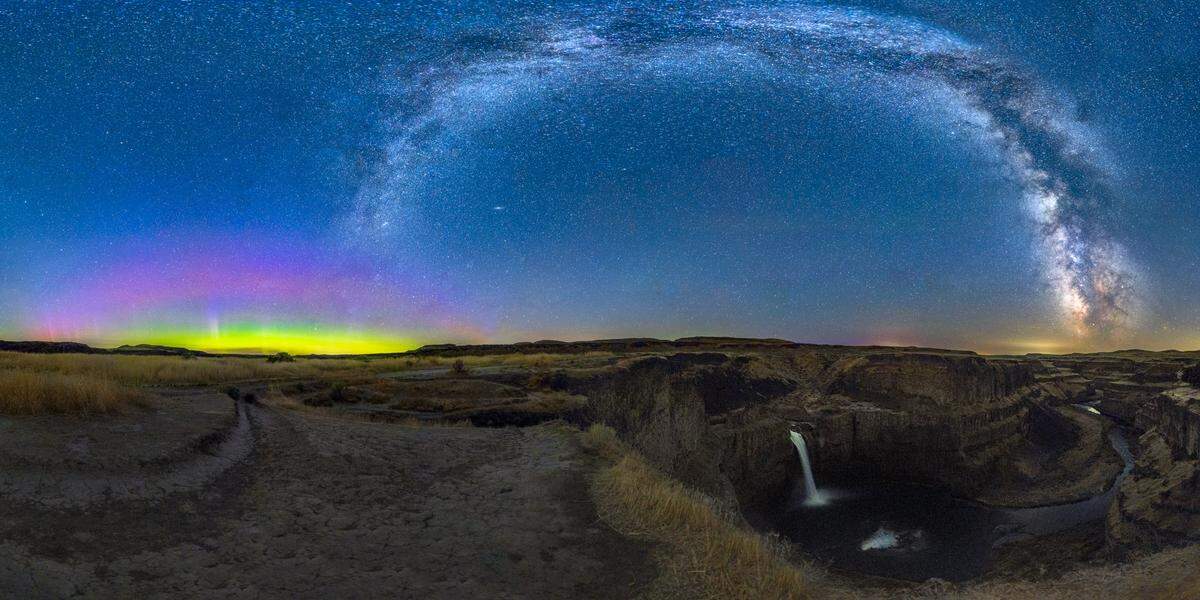
His interest in astrophotography has earned him a stellar reputation in the region for creating stunning images of the auroras and Milky Way, the bridges and landscapes, all in settings that showcase the incredible rugged beauty of Eastern Washington at night.
“I am someone who learns things easier through hands-on experience instead of from reading and studying,” Roylance said. “I started playing around with a cheap digital camera three years ago. One day I caught a single time lapse image of my neighbor walking back to his pickup with a shovel over his back during a nice sunset. My neighbor was so impressed he let me borrow his higher-end digital single lens reflex camera and lenses for two months. I shot with it every day thinking I’d never have an opportunity to use such a nice camera again and two weeks.
“After I returned it, I bought my own camera and never looked back.”
His passion has never waned.
“I love to capture the lights and the details in the landscapes, in the foreground, and of course the Milky Way and the heavens rising through the sky above,” Roylance said. “I’m pretty keyed in to what the night sky is doing. I know the movement of the stars in the sky throughout the year. There are meteor showers throughout the year, and I know when they will happen. I’ve learned what to look for in chasing lightning or northern lights storms so I can get in position for them when they happen.
“I live by the moon cycle and know the local area very well. I always have a place or two in mind to go and capture a special event when it happens.”
For his best photos, he hasn’t had to travel very far.
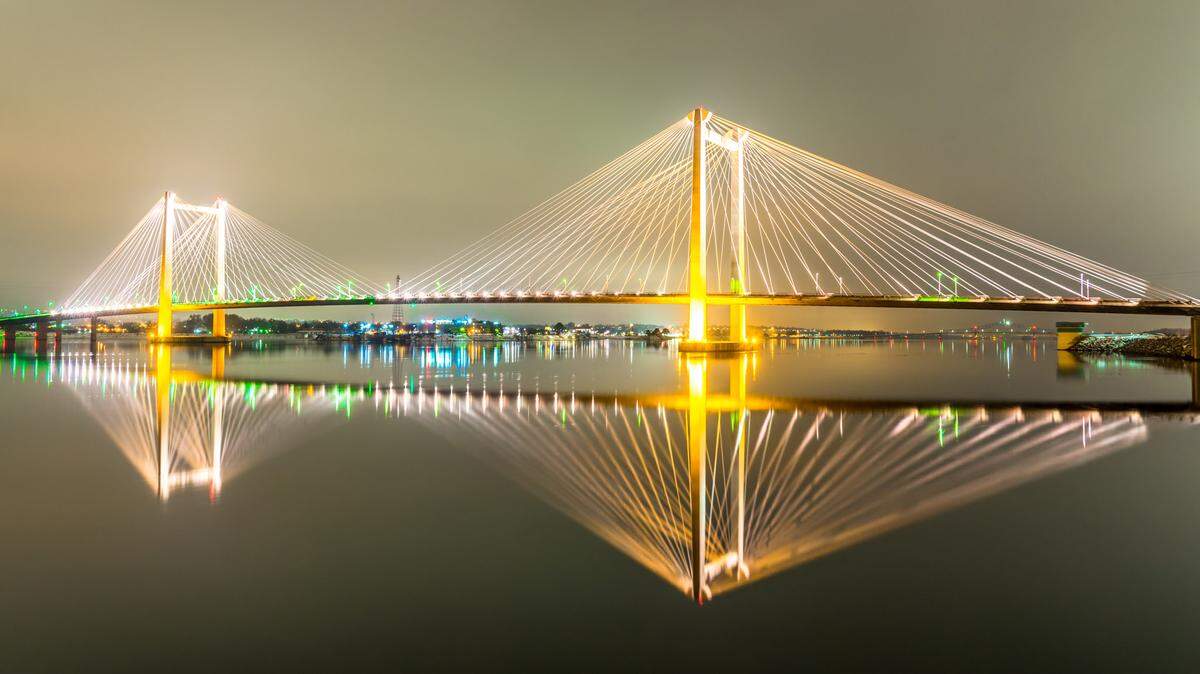
“I’ve been lucky to capture perfect reflections of the cable bridge,” he said. “It’s one of my favorite pictures ever because I went there on a rainy night not expecting much and after 45 minutes of wandering about, the storm died and the water became a mirror for two hours.
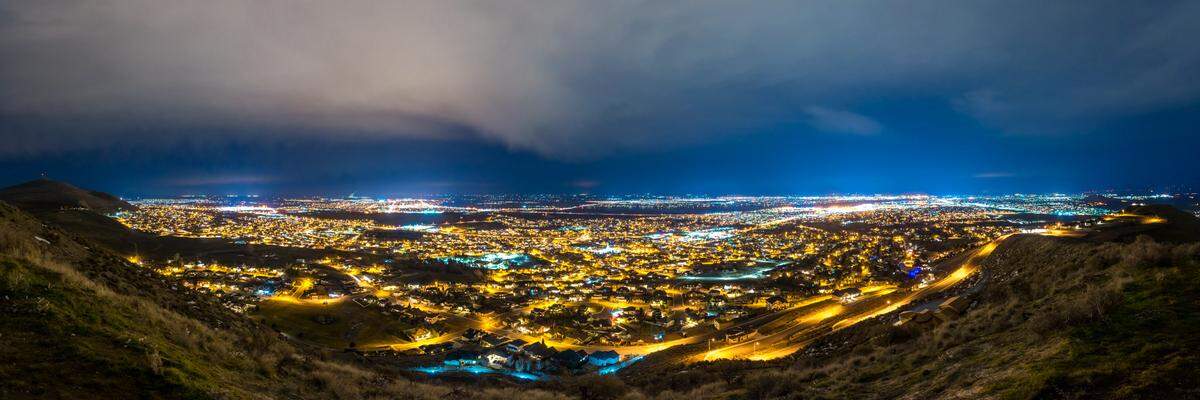
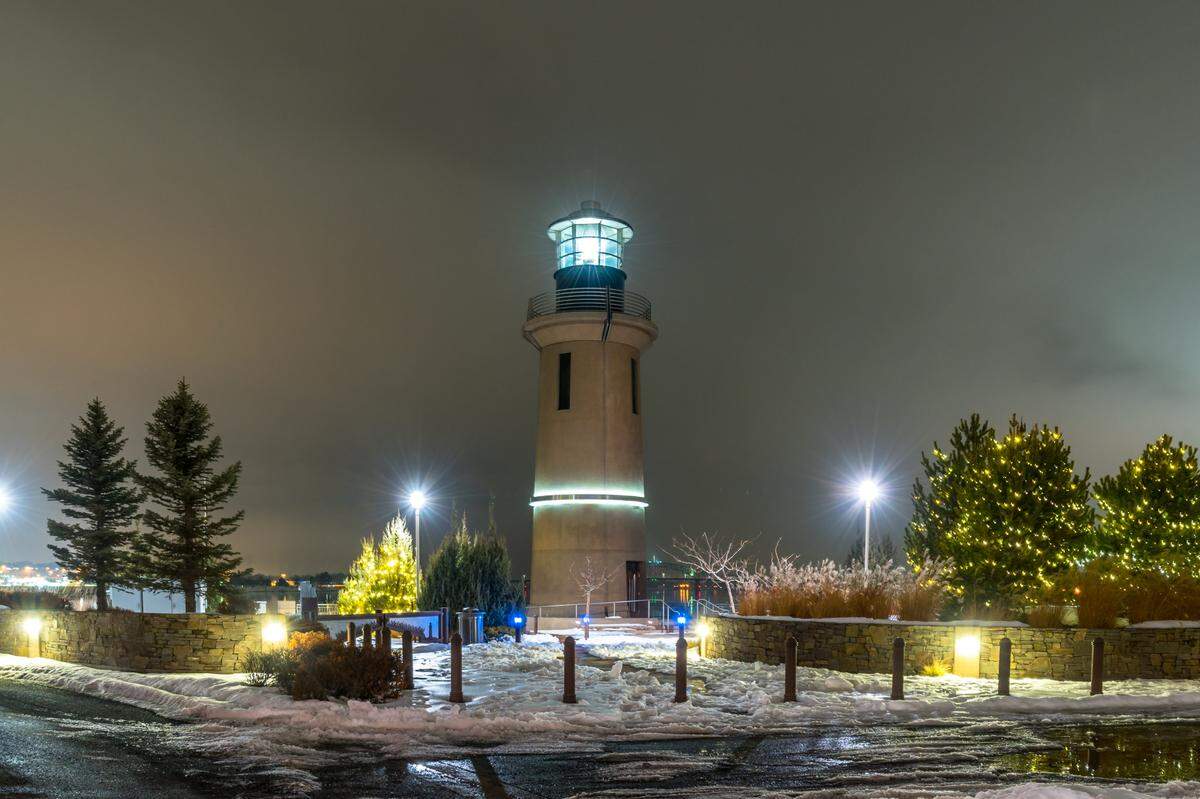
“I also really love a picture of the Clover Island lighthouse on a snowy night as well as a couple different cityscape panoramas of Richland from on top of Little Badger.”
In June of this year, he participated in an international competition of people shooting pictures of the Milky Way every night every night.
“The competition forced me to explore shooting in difficult conditions even on cloudy moonlit nights when the weather not cooperating. Processing the images of the Milky Way every single night greatly enhanced my technical skills. I improved what I now can do. I didn’t win the contest but I captured 48 images of the Milky Way over various old barns and lakes, and these are more valuable to me than any prize I might have won.”
Still, it was an experience earlier in the spring that stands out.
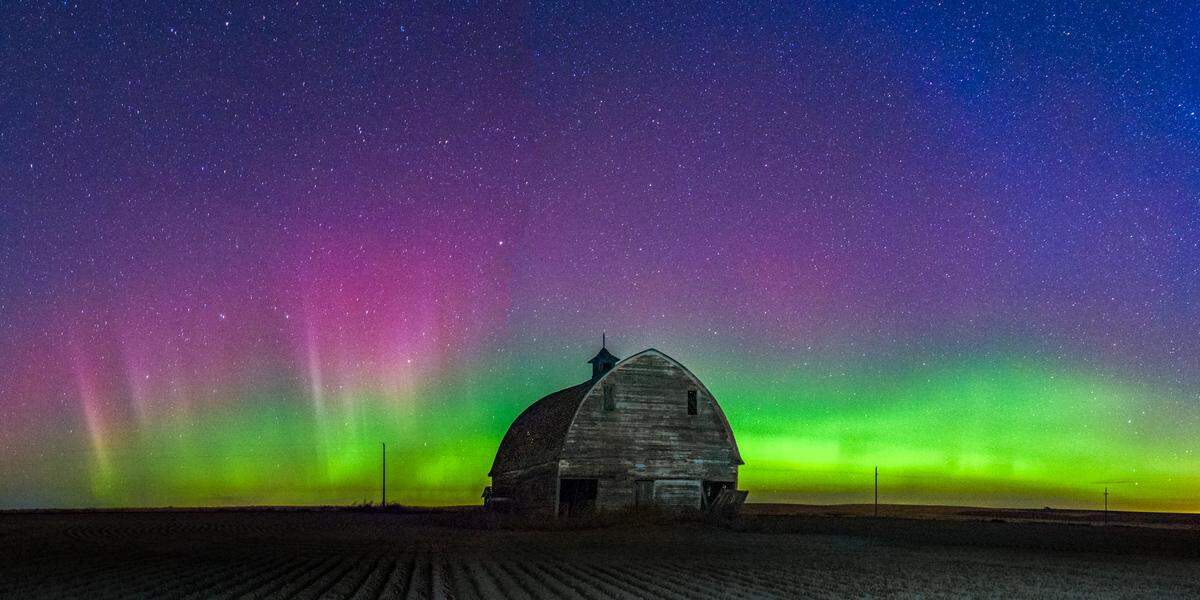
“The best night I ever had was April 19 this year,” he said. “A major aurora display started at 9:30 p.m. and was off and on until 4 a.m. Usually northern lights storms only last for 30 minutes to an hour, so I spent until midnight getting single images of the lights over fields in a small nearby farming community and then I went home for dinner. Around 1 a.m. the Space Weather forecast predicted that another burst of solar energy was going to arrive, so I drove 20 miles east to some old abandoned barns.
“From 2 to 4 a.m., I captured seven full north-to-south Milky Way panoramas with the northern lights. Four of those images were during the peak storm time and are my best shots of the year.”

Taking pictures at night can be funny or scary, or both.
“I was shooting the I-182 bridges from Columbia Point Marina Park. It was 11 p.m. and the water was calm enough for a reflection shot. As I got close to the river’s edge I startled a large bird, and I let out a high-pitched scream that bounced off the bridges and echoed across the river, and a dog from one of the back yards along the river barked for the next 10 minutes.”
Roylance finds himself getting asked questions by new shooters about technique and gear.
The best photos, he says, have to be eye-catching, colorful and contain interesting details. Often times, to bring out the best characteristics and create the most stunning photo images, he will take hours combining different images into single panoramas using his computer’s stitching program.
“I really enjoy photography as a ‘we’re all in this together’ kind of avocation,” he said. “I know that no matter what advice I give people that photography ultimately has to be learned largely through experience, so pointing them in the right direction gives me a great sense of satisfaction.”
Capturing clear, crisp images of the night sky is challenging. Here are some of the tips he offers to people interested in learning photography:
1. Shoot every day when you’re learning and you’ll eventually learn the difference between good and bad shooting conditions.
2. Always take your camera when you leave home because you’ll regret missing the random great shot you couldn’t take because you left your camera home.
3. Humble yourself. Photography takes years to master.
4. Invest in good equipment so your only limitation is in your skill, not in your camera.
5. Start with one camera, two lenses (a medium and a long zoom) and a sturdy tripod. Don’t run out and get 10 different lenses and all kinds of electronic equipment. It will overwhelm your efforts to learn how to use your camera properly.
For more information visit www.kevinroylance.com.
This story was originally published July 19, 2018 at 4:50 PM.