
Franklin County face-off debates pot ban, TRAC future, immigrant crackdown
The four-way race to represent western Franklin County features some very familiar faces.
Franklin County Commissioner Rick Miller is being challenged by fellow Republican Clint Didier, independent Rodney “Dobie” Burns and Democrat Zahra Roach in the race for District 3.
Miller handily won his earlier elections. This primary brings a larger field of candidates with serious platforms, name recognition and the resources to mount campaigns.
The three-person board of commissioners serves as the county’s executive branch with responsibility for setting policy and the county budget.
All four boast deep roots in Franklin County.
Miller, Didier and Burns share agriculture-focused platforms but bring distinctly different voices and views of the role of government, though all share the view that it should be limited.
Roach is focused on growth and bringing a younger, progressive voice to county government.
Only voters living in that district vote in the August primary. The top two face off in the Nov. 6 general election.
District 3 follows the Columbia River and takes in portions of western Pasco. District maps are available on the county’s web site, co.franklin.wa.us/commissioners/district_map.php
Ballots have been mailed and must be returned or postmarked by Election Day. For the first time, postage is pre-paid. For those wanting to save the state a stamp, there are drop boxes too.
County commissioners are colleagues — not the bosses — of the auditor, assessor, clerk, coroner, prosecutor, sheriff and treasurer, though they set the budget.
All of those positions are up for election this year and their races appear on the Aug. 7 ballot. But since no race has more than two candidates, the results are advisory.
There’s drama enough in the commissioner race.
In an unusual twist in conservative Eastern Washington, the Democrat enjoys a commanding lead in fund raising.
As of Friday, Roach had raised more than $17,000 and spent nearly $9,000, according to financial reports to the state Public Disclosure Commission. Her top financial supporters are Sue Fifer Frost and Teamsters Local 839.
Miller has raised nearly $5,500, including a $3,100 cash contribution from himself. He has spent about $5,000.
Didier has raised $3,600. His biggest supporters are Carol Curtis and Norman Curtis. He reported spending $40.
Burns registered as a “mini filer,” which means he won’t raise more than $5,000 and doesn’t have to file detailed reports.
The post pays $94,000.
The four candidates fielded a variety of questions at two recent candidate forums, some related to county government and some not.
In the order they filed, here is how they responded to questions about Franklin County’s ban on recreational marijuana, the future of TRAC and the county’s relationship with federal law enforcement when it comes to cracking down on illegal immigrants.
Zahra Roach moved to Pasco as a child and went on to graduate from Washington State University Tri-Cities.
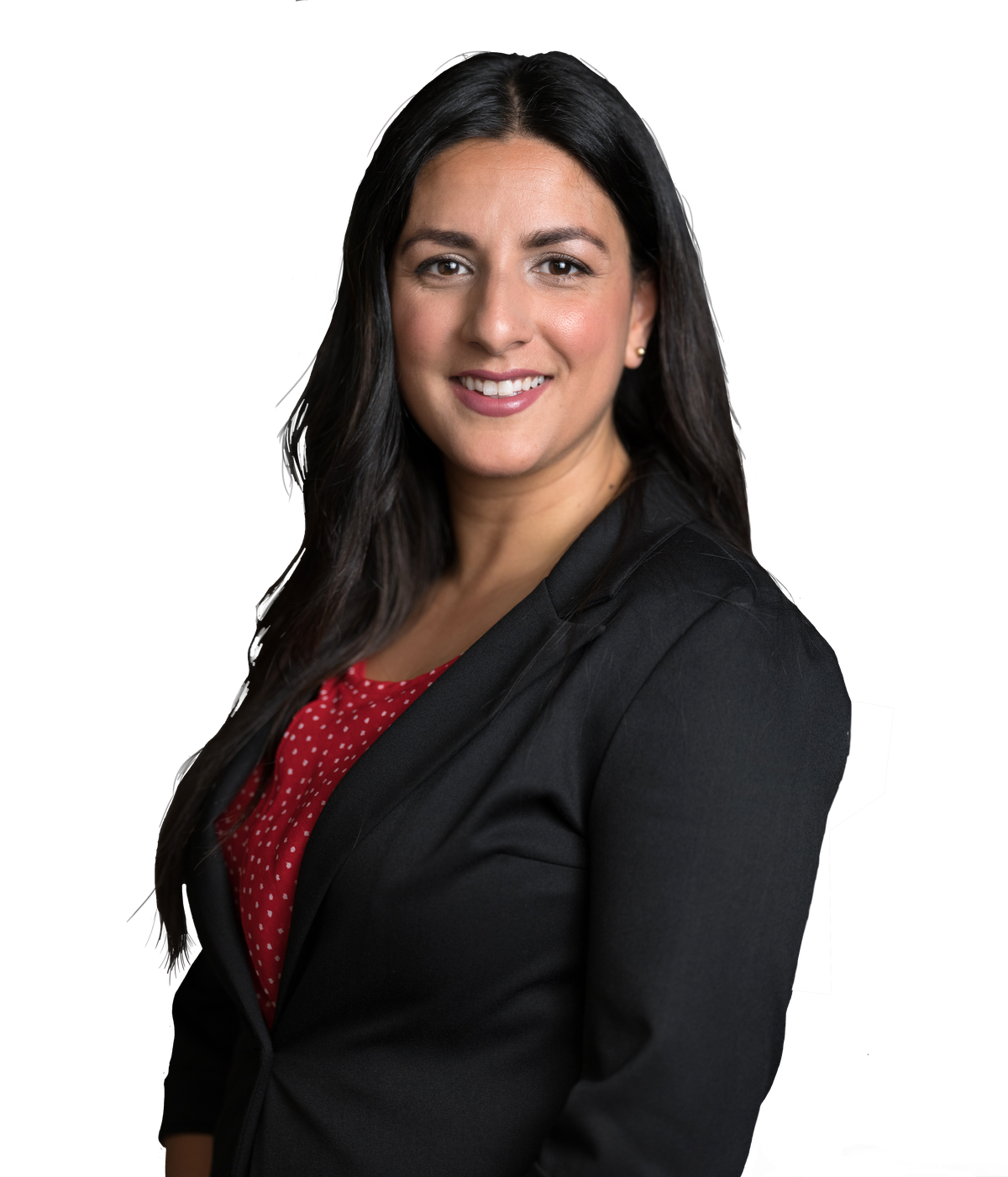
She taught for five years in Pasco high schools and has three young children. She joined the Pasco Planning Commission in 2011 and is its vice chairwoman.
Roach said her planning commission experience will help Franklin tackle the challenge of being Washington’s fastest-growing county.
She said she uses public services such as transit, schools, parks and the library. Roach, the daughter of Pakistani immigrants, wants to bring the voice of young families to the job.
Her top priorities are access to healthcare, transparency in government and economic diversity.
Roach said she political questions about recreational marijuana and paying for unfunded mandates need to be decided by voters.
She resists calls to privatize TRAC, the county-owned venue in Pasco. She acknowledged it is a drain on taxpayers but said she’s reluctant to give up a valuable asset.
Rick Miller was born to an Eastern Washington farm family. He established his own farm after graduating from high school, spending winters pursuing a degrees in agriculture at Washington State University.
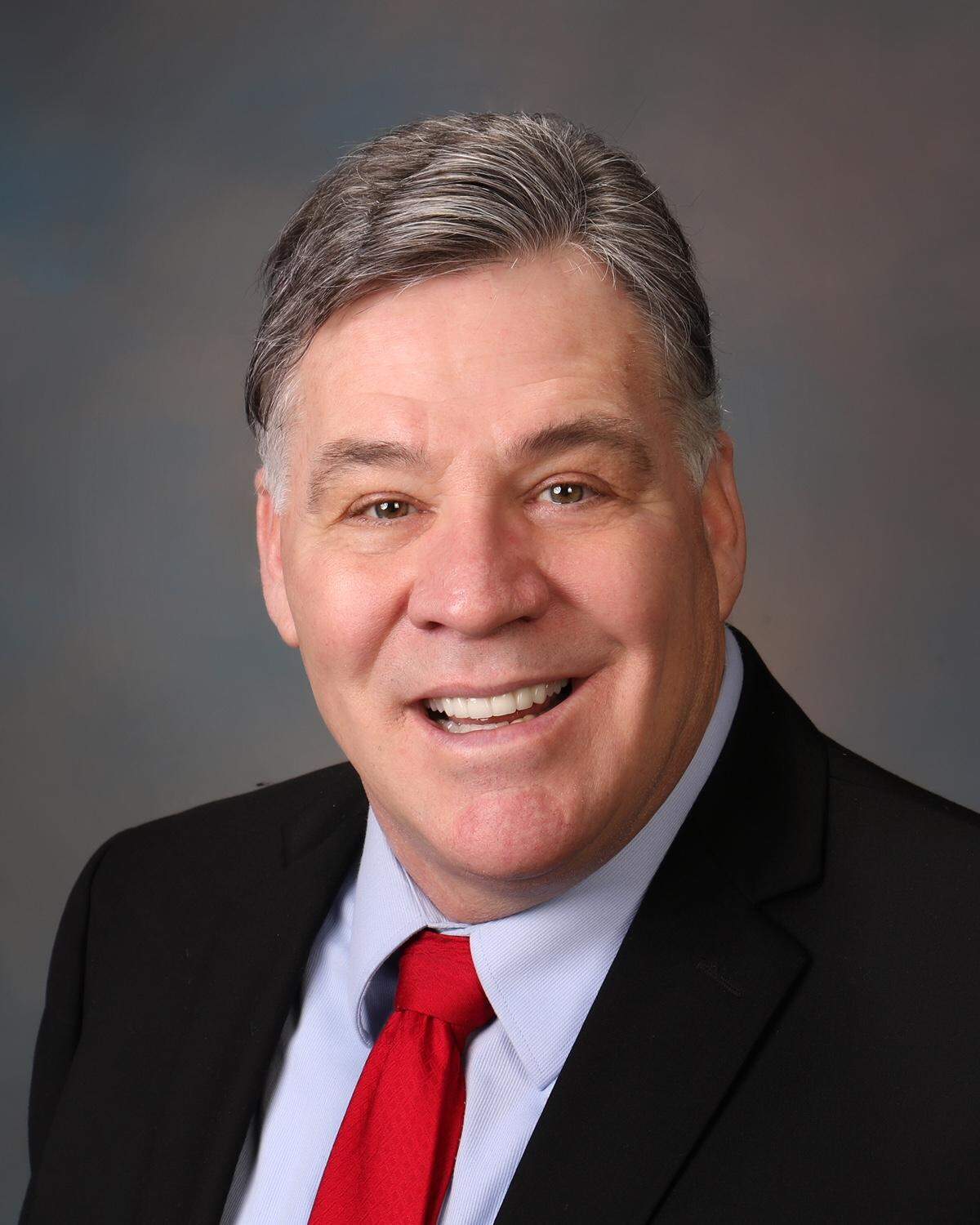
He has held a number of roles in the industry. He easily won re-election to his current term in 2014.
As the incumbent, he finds himself on the defensive on questions about the county’s relationship with federal law enforcement, its handling of embezzlement cases, required upgrades to the county jail and TRAC.
He defended Franklin County from complaints that it tolerated a recent crackdown on illegal immigration by federal Immigration and Customs Enforcement crackdowns.
It’s appropriate for ICE to do its job, he said.
He notes the county detected fraud, adopted anti-fraud software to combat would-be embezzlement. He favors turning TRAC over to a private operator.
Miller said he wants to keep the county’s moratorium against recreational marijuana in place. The county banned growing, processing and selling recreational cannabis after Initiative 502 legalized it statewide.
Rodney “Dobie” Burns is a third-generation Franklin County farmer who grew up in a large family.
He has spent 15 years as a developer, creating home lots on Pasco’s west side, along Burns Road. He ran for county commission a dozen years ago as a Republican.
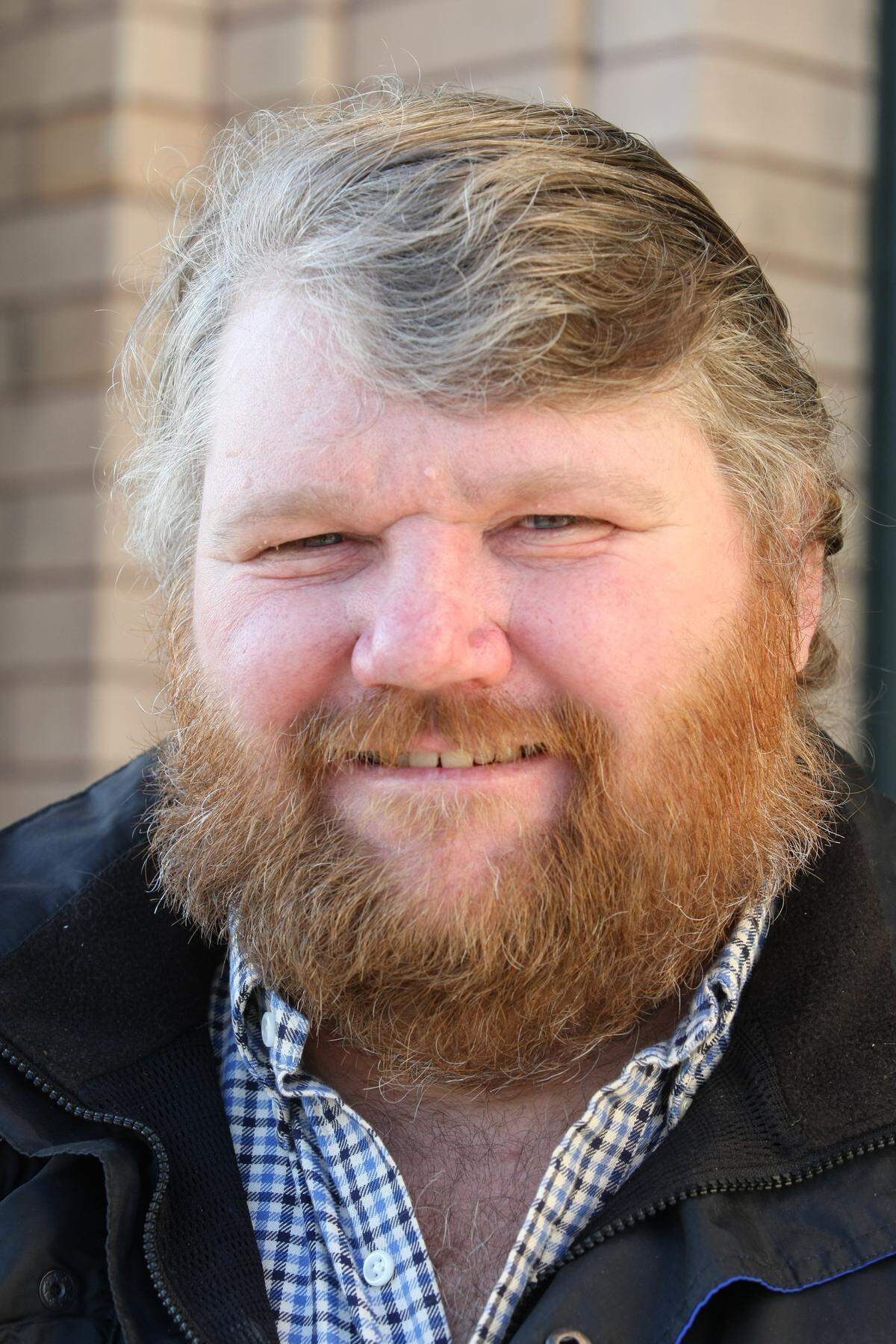
He’s running as an independent.
Burns said he wants to keep the focus on agriculture and on managing growth.
He agreed with Miller that TRAC should be privatized. Burns said he voted against the proposal to build the center on Pasco’s Burden Boulevard when it was initially presented to voters.
Burns indicated he’d like to see the county increase its support to ICE when it targets illegal immigration.
Burns said he wants Franklin County to continue to ban recreational marijuana businesses in Franklin County, but added that he supports medical use.
Clint Didier is a second-generation Franklin County farmer who likes to describe how his parents braved their first Mid-Columbia winter in a tent when they arrived more than 50 years ago.
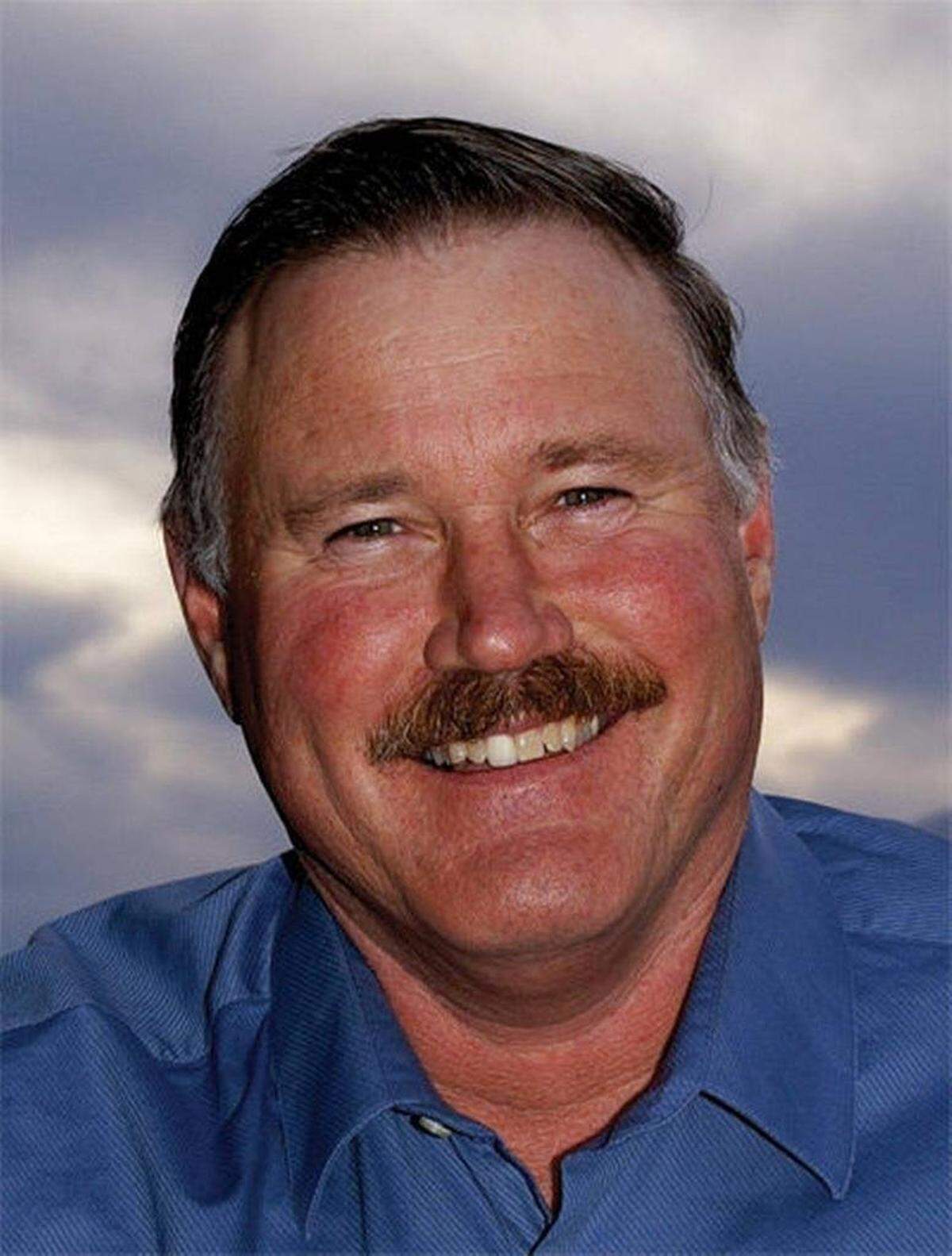
He spent eight years in the NFL in the 1980s, including six with the Washington Redskins.
Post-NFL, he came home to farm 1,100 acres near Eltopia and host a radio talk show.
His popularity in far-right circles has not translated to election success to date.
He ran unsuccessfully for Washington Commissioner of Public Lands in 2012 and to represent the Fourth Congressional District in the U.S. House in 2014 and 2016. He survived the 2014 and 2016 primaries, but lost to U.S. Rep. Dan Newhouse, R-Sunnyside both times.
He said he was motivated to run for a county-level post by reports of embezzlement and officials suing one another.
The latter refers to a lawsuit by the elected judges of the Benton-Franklin Superior Court against Clerk Michael Killian over paperless court records. The commission refused to pay the judges’ legal bills.
On the question of federal immigration, Didier said he wants secure borders and until then, “We work with ICE.”
Didier takes a softer stance on marijuana, noting that it’s legal in Washington and that cannabis-related creams and oils help many people, including him.
Didier favors privatizing TRAC, saying he to opposed it at the outset.
This story was originally published July 21, 2018 at 2:18 PM.