
These teens are doing their time — and giving back
Young inmates in Benton and Franklin counties are helping feed the hungry thanks to a rapidly expanding garden and a few masterful hands.
The bi-county Juvenile Justice Center’s garden project donated more than 1,500 fruits and vegetables to food banks so far this year. —
Through every step of the project, Washington State University Master Gardeners and volunteers find a way to involve incarcerated youths in the detention center.
Some help in the classroom, teaching other inmates and working with seedlings. Some on work crew tend to the grounds outside — weeding, planting, watering and other tasks.
There are even inmates on work release that deliver the picked fruit and vegetables to the food bank.
For a lot of teens, it’s a chance to make amends and do something positive, said WSU master gardener Karlee Hodges, one of the gardening teachers.
The garden has several stages.
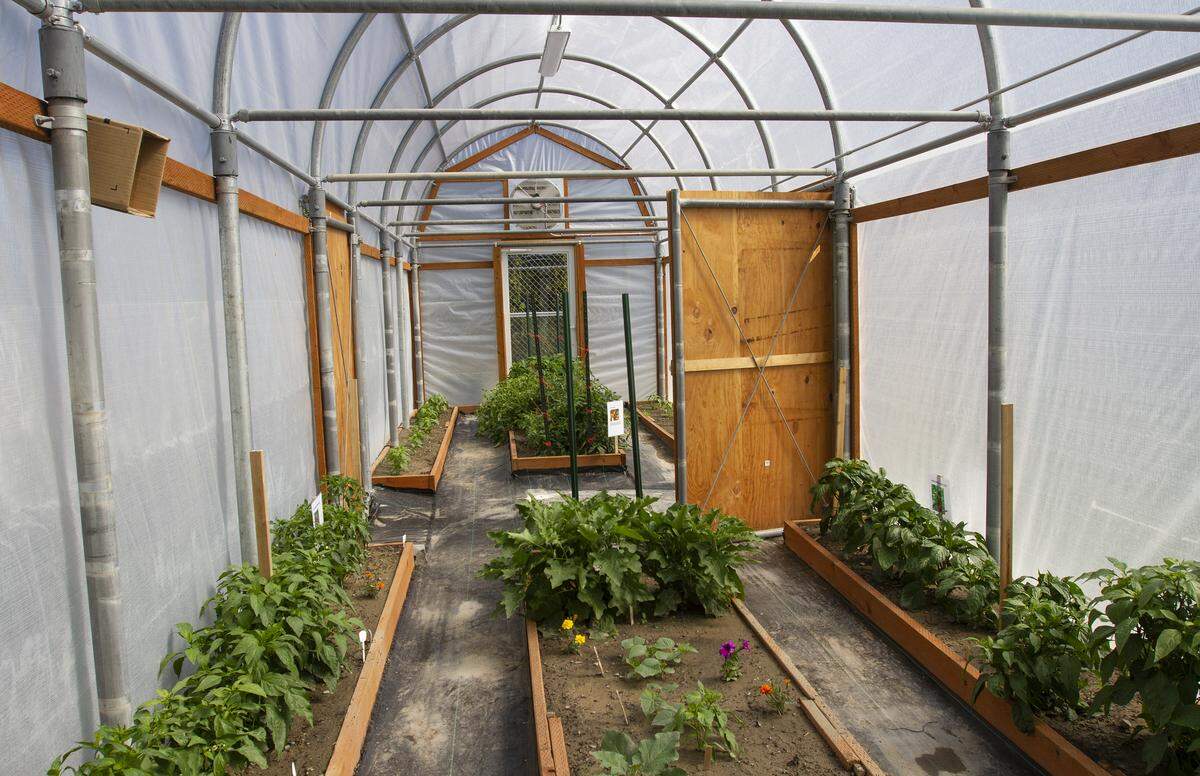
The indoor garden is where the seedlings start. They eventually are destined for the outdoor beds.
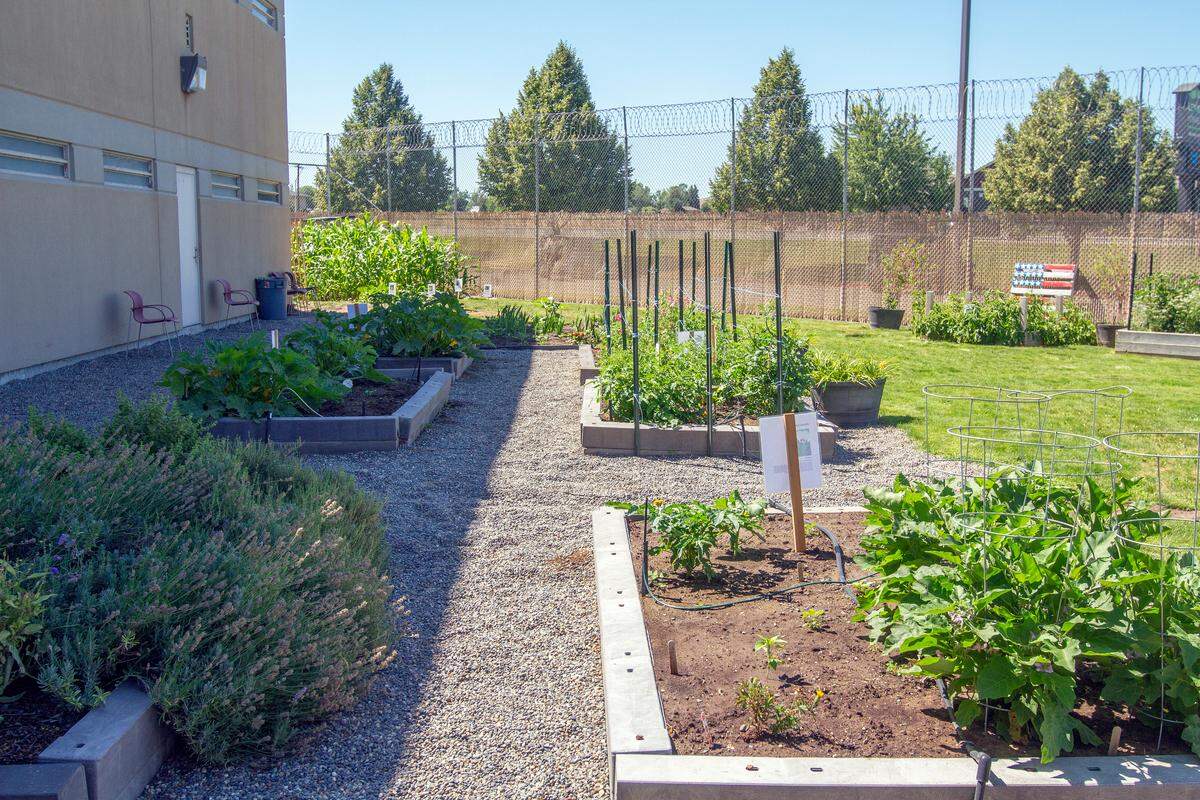
Behind the center and outside its plain white walls are eight of the outdoor beds, with rows of fruits and vegetables in various stages of fruition. More plants grow beneath a large hoop house in the backyard.
The garden gets the kids an experience that’s beyond the walls of their cell, facilities supervisor Jon Peyton said.
“It kind of centers them, because being inside, locked up, your trapped with your own brain,” Peyton said. “It’s kind of counterproductive. They get out here and actually can do something positive. They get to see it go home with a family, so it’s pretty important.”
Each teen can work in the indoor garden, Peyton said. To work in the outdoor garden, a teen must be sentenced and show good behavior.
“It is definitely something that they strive to be a part of,” Hodges said.

One 17-year-old inmate said he loves watching the plants go through the process of growth.
“I have always been into gardening,” he said.
The teen’s status only allows him to help inside, but he still feels part of the big picture, he said.
He also works as a teacher’s aide and mentor for the class.
“I love plants and I love to see them grow up from a little seedling to a big plant,” he said. “It make me feel good inside that I’m helping something grow, that I’m helping something live,” he said.
The garden started in 2014 as a few small outdoor beds, but it’s surprised officials with its growth.
The fenced-in space now used by the outdoor garden once featured cages.
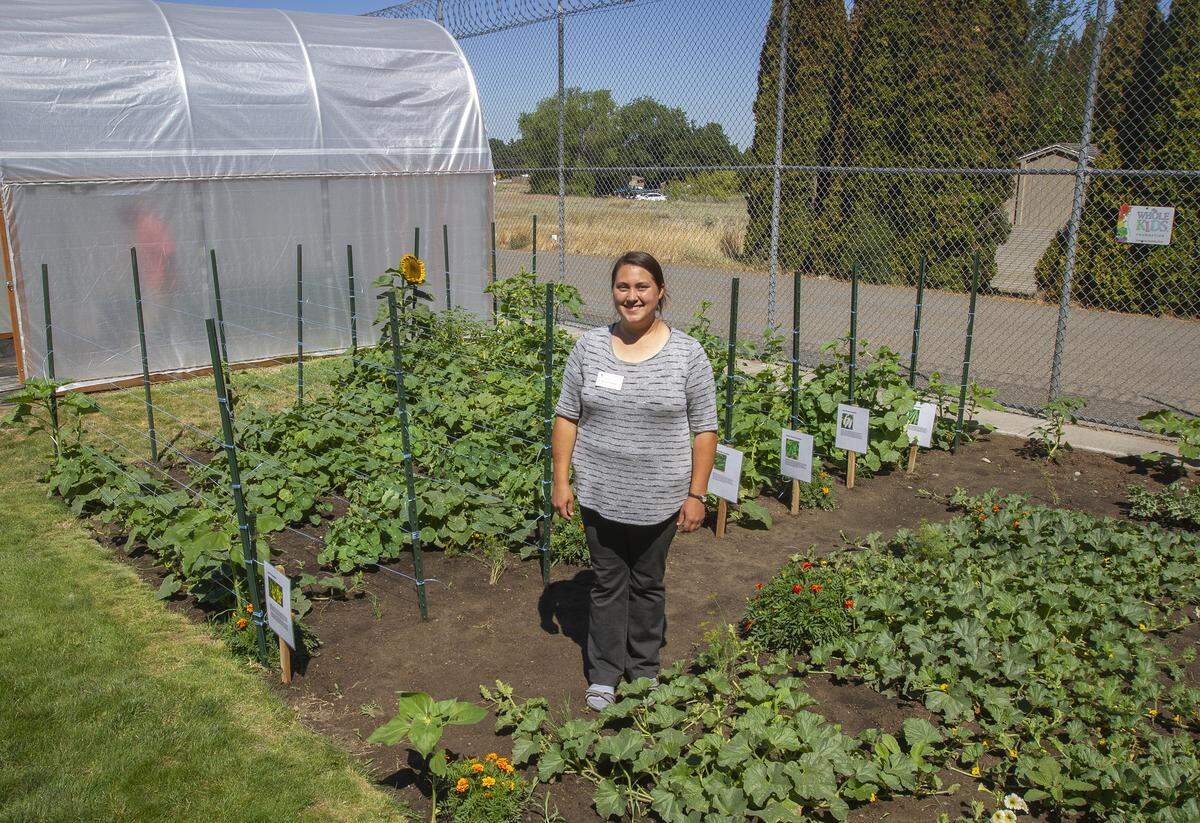
“They look like dog kennels and I was always embarrassed of them,” Lipp said. “It just wasn’t being utilized.”
The space now has eight plant beds with room for more, and the hoop house.
Watching it be transformed into something useful and less intimidating was a decision the center made, Lipp said.
The inmates debuted a hoop house this year after the gardeners and volunteers raised the money to build it.
The money for the project came from grants, donors and material donations or discounts.
The Master Gardeners got about $10,000 for the project. Sponsors included Whole Foods Kids Foundation, Gardening Know How and Scotts MiracleGro.
Noticeable differences in the garden for even a short time working can affect the kids immensely, despite their often short stays, he said.
“They can look at what they’ve done,” Lipp said. “They have a sense of accomplishment.”
Officials said the program will continue for years to come.
“They get to reach outside the walls of their cells, the walls of the garden space outside out into the community,” Hodges said.
This story was originally published July 15, 2018 at 5:48 PM.