
Your identity is for sale online, like it or not. Here’s how to protect yourself
Most Washington adults over 18 don't use online banking to monitor all their financial accounts.
That's a big mistake, according to AARP and the Fraud Watch Network, which dropped by Kennewick on Wednesday to share the latest intel on digital scams and the many ways online predators snatch cash.
The takeaway: Everyone has a digital identity, even if they've never been online or avoid doing business (read: buy things) on the internet.
The good news: You can easily protect yourself. One step to take: sign up for online banking.
About 350 Tri-Citians turned out for the session. Though sponsored by AARP, all Americans are vulnerable to thieves looking to exploit bad passwords and lax attitudes.
"If you're breathing, you're at risk of being scammed," said Jeff Lillekskare, who is responsible for safety and security management at Microsoft, a sponsor of the Fraud Network.
Washington was 25th in the nation for fraud and related complaints in 2017 with nearly 39,000 reports, or 521 per 100,000 residents, according to a report compiled by credit rating agency Experian.
A quarter of victims reported having to borrow money to resolve the issue, 22 percent took time off from work, 15 percent had to sell personal possessions to cover expenses.
A small portion — about 7 percent — resorted to payday loans.
Everyone is online, even if they're not
No one can assume they're not at risk, said Doug Shadel, AARP's Washington director.
The 738 large-scale data breaches reported in 2017 fed more than 2 billion individual records to the dark web.
Criminals buy and sell information in anonymous corners of the internet. AARP enlisted a purported mastermind of the dark web to highlight just how easy it is to find identifying information for sale.
Shadel called up an account for a seller marketing U.S. Social Security numbers and bank account information.
The listing included positive Yelp-like feedback from 288 customers, indicating the anonymous seller delivered legitimate, if stolen, information.
Staying off line is no protection. Anyone with a Social Security number, a bank account or a doctor has records online, Shadel said.
"You have a digital identity even if you've never been on the internet."
Fraud is rising locally
Tri-Citians are hungry for information about protecting themselves from fraud, said Kennewick community services Officer Roman Trujillo.
Trujillo said his session on preventing fraud is his most requested.
Fraud as a general category is on the rise in Kennewick, with 254 cases reported this year — 36 percent more than the same period a year ago, Trujillo said.
Up for Grabs, a survey of 1,003 adults, shows many Washington adults over the age of 18 don't take even basic steps to protect themselves.
Only 40 percent of adults use online banking to track all their financial accounts.
The number drops to 25 percent for those 65 and older.
Another 60 percent couldn't pass an eight-question quiz about basic steps to deter digital predators — monitoring accounts online, freezing credit, and strengthening online passwords and privacy settings.
You might not like online banking, or think it's just an avenue for thieves.
But Shadel said avoiding it actually can be an invitation to criminals.
With the right information, thieves can set up online access to your account and wipe it out days or weeks before you notice.
For credit cards, unauthorized charges can go unchallenged for weeks, leaving the account open to further abuse.
"If you're still waiting for that bank statement, a lot can happen in 30 days," said Shadel, who added that he monitors his personal accounts daily.
Online banking interest is growing
Tri-CU, formerly Tri-City Credit Union, said that about half of its members use online banking.
President Doug Wadsworth said the credit union strongly encourages members to use online banking specifically to track accounts and spot early signs of fraud.
STCU, a Spokane-based credit union, will open its first Tri-Cities branch this fall in Kennewick's Southridge area.
It reports that 72 percent of its 181,000 members are registered for online banking.
More than half logged into their accounts in the past month. About a third actively use the credit union's smartphone app.
"For monitoring your accounts, it's terrific because you spot things quickly," said Dan Hansen, spokesman.
Protect yourself
While it's safe to say everyone has had their identities exposed, actual identity theft remains fairly low.
Besides monitoring financial accounts, AARP says there are concrete steps people can take to protect against thievery.
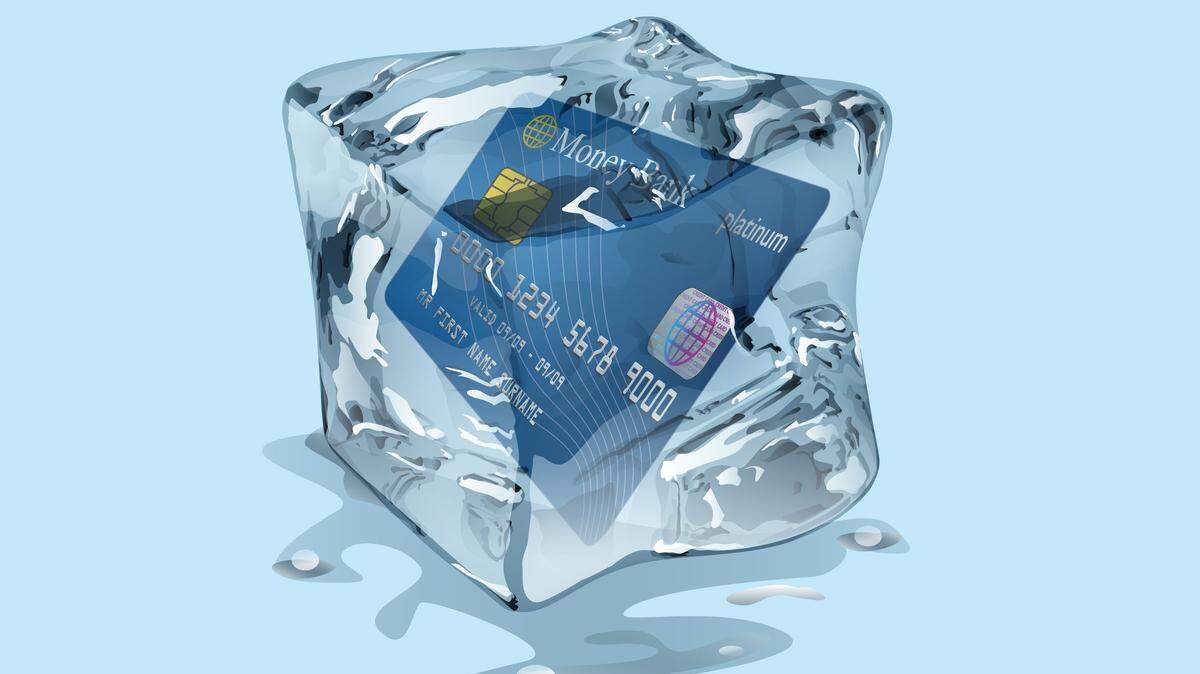
Customers can "freeze" their ability to open new credit accounts with the three credit agencies — Equifax, Experian and TransUnion.
Taking that ability away from yourself means scammers can't open up credit lines with your information.
It's free to "freeze" and "thaw" credit, and won't harm your credit score, Shadel said.
But it won't shield against misuse of existing accounts or credit cards.
For that, officials expect change up your passwords. Use different passwords for different sites.
Thieves often attempt to scam victims out of passwords to their low-security accounts, such as Netflix, then use the information from those accounts to log into bank accounts.
Shadel advises setting different passwords for different sites and using a password manager such as LastPass to track them.
Fraud Watch also advises using the privacy settings on Twitter, Facebook and other social media.