
What you flush in Tri-Cities is being checked for COVID. Here’s what’s being learned
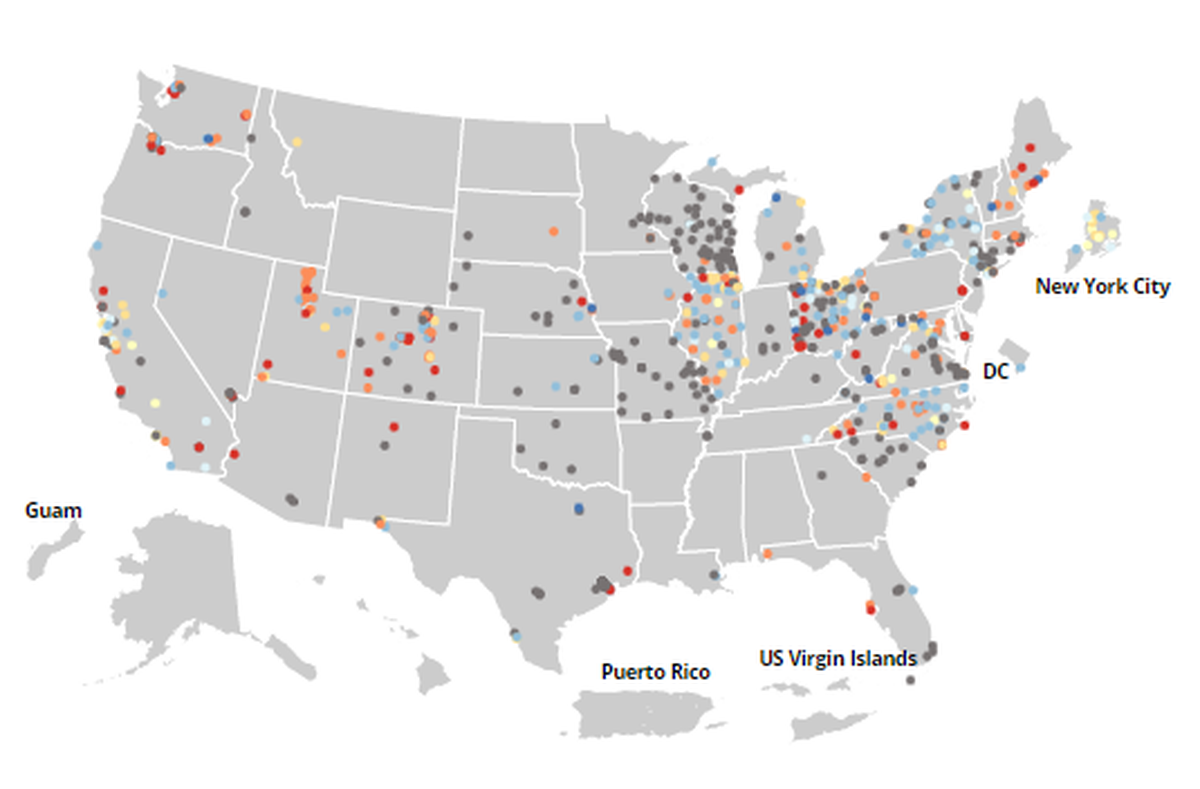
What goes down the toilet at your Tri-Cities house may be checked by the Washington state Department of Health for indications of COVID-19.
Public health officials see it as a developing, and potentially important, method to help get early and accurate information on whether COVID infections are increasing or decreasing.
“Early warning systems such as wastewater surveillance, can detect small changes as a signal for early action,” according to the Centers for Disease Control and Prevention.
Washington state Department of Health launched a pilot project last fall with the Tri-Cities and Spokane volunteering to collect sewage samples checks for the coronavirus.
In the Tri-Cities, Richland, Kennewick, Pasco and West Richland wastewater treatment staff are collecting samples of wastewater that come into their facilities three times a week, said Rick Dawson, senior manager at the Benton Franklin Health District.
People infected with the coronavirus shed genetic material from the virus in their feces, according to the CDC.
The results from checking for that genetic material amid the mix of household and industrial waste coming into wastewater treatment plants can provide information not previously available.
For most of the pandemic, public health officials have relied on people getting testing at public test sites, clinics or hospitals to determine whether COVID-19 was increasing or decreasing in the community.
Laboratories submitted information on positive test results to the Washington state Department of Health, and that data were passed along to local health districts to monitor for increases or decreases in cases.
But not all people bother to get tested, including people with no symptoms.
And now people are able to use home tests, with results rarely reported to public health officials. And even when they do, the data may not be included in official case counts.
Hospitalizations also provide data, with spikes of COVID-19 cases indicating an increase in cases. But it is a lagging indicator with people usually sick for some time before being admitted to a hospital.
“It is not telling us always what our current status is and what things we can do to slow or take actions to protect the public,” Dawson said.
“The goal with wastewater sampling is no ‘health seeking behavior’ has to happen. You can monitor,” he said.
Tri-Cities wastewater data
After the initial five months of sampling, the Tri-Cities wastewater data are helping better understand the status of COVID-19 in the community, Dawson said.
But more data are needed and public health officials are still fine tuning how to use it. Just like daily numbers of new cases, there can be major increases and decreases in data from one day to another.
The data are meant to be used to monitor for trends, the CDC said.
It cautions that particularly when levels of the virus in wastewater are low, a modest increase in the virus level can appear much larger as numbers are translated into percentages.
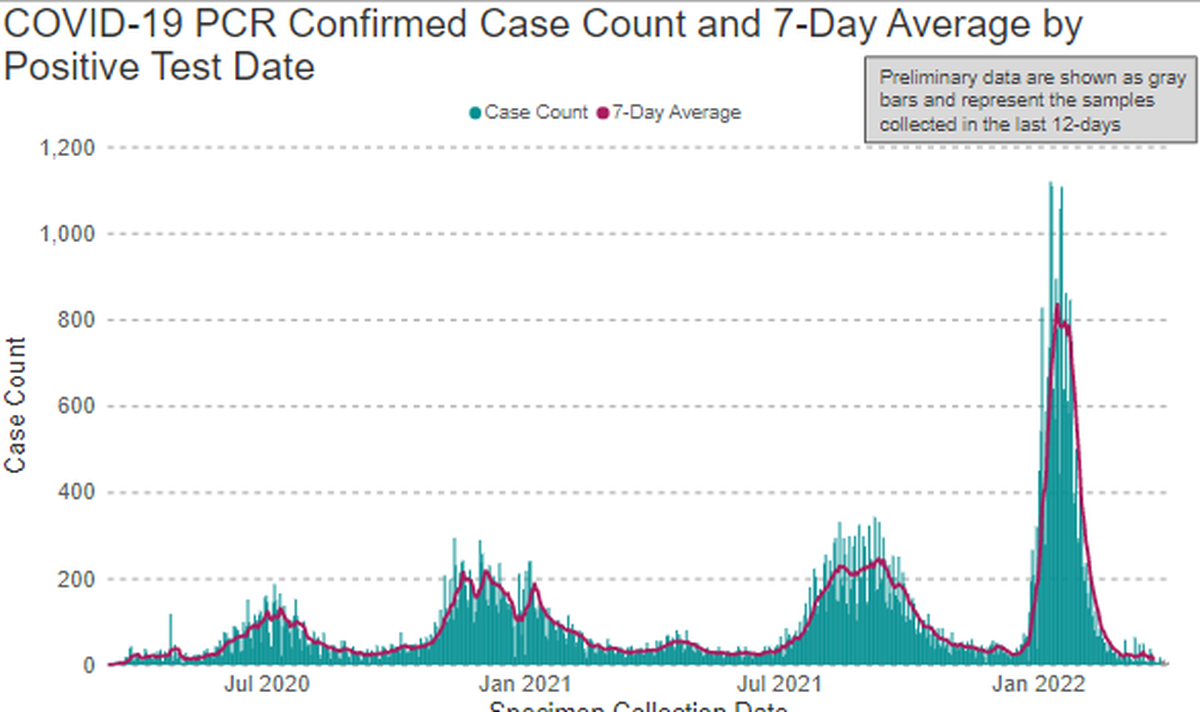
Over time the Tri-Cities data have generally reflected what public health officials are seeing from COVID case rates calculated from positive COVID tests, which now are much lower than in January, Dawson said.
But if public health officials do see an increase in evidence of the coronavirus in wastewater they can take steps to stem the spread, such as advising residents to return to wearing face masks in public or get tested for COVID-19 more often, he said.
Data from wastewater sample analysis are meant to complement other data, such as positive test result reporting, according to the CDC.
Long term, wastewater sampling holds promise to also monitor and curb other disease outbreaks, such as influenza or norovirus that causes vomiting and diarrhea, Dawson said.
“I’m kind of excited that maybe there’s some new tools coming down the road that can help us head off illness before it happens in a variety of ways,” he said. “With COVID we’ve got a good start down the road to figuring some things out.”
The public can follow COVID-19 data online at bit.ly/WastewaterCovidData.
CDC is posting percentage changes for not just the Tri-Cities and Spokane areas but also some Western Washington wastewater treatment plants that have more recently started collecting samples.