
Fewer Tri-Cities COVID hospital patients, but fears remain numbers could rebound
The number of people hospitalized for COVID-19 treatment continues to drop in Benton and Franklin counties, reflecting Washington state trends.
However, hospitals continue to be stressed, due to a combination of still high numbers of COVID-19 patients, worker burnout and staff shortages, which could increase as vaccines are required for all staff, said Taya Briley, executive vice president of the Washington State Hospital Association, at a Monday news briefing.
On Tuesday the number of people hospitalized in the Tri-Cities and Prosser dropped to 53, less than half the high of 119 reported Sept. 15. A week ago local hospitals were reporting 89 COVID patients.
Statewide the number of hospitalized COVID-19 patients dropped 12% over a week to 1,124 on Monday.
“Overall there are signs of improvement with COVID-19 trends. If we don’t stay diligent about the challenges facing the health care system we are worried things could worsen again,” Briley said.
The number of patients is still “very sobering,” she said.
The patient count remains among the highest of the pandemic.
The previous peak for COVID-19 hospitalizations in Washington state was only slightly higher than the current count.
There were 1,150 patients just after Thanksgiving 2020, which hospital officials considered “incredibly high,” said Mark Taylor, director of operations for the Washington Medical Coordinating Center based at Harborview Medical Center in Seattle.
Of the current hospital patients in Washington 207 are on ventilators compared to 239 a week ago, Briley said.
That’s still a large number considering that ventilators are a last resort treatment for COVID-19 patients and survival rates are not what health care workers would hope, she said.
Most seriously ill COVID-19 patients are unvaccinated, according to the Washington state Department of Health.
Hospitals in the state are about 90% full, which is “very, very full,” Briley said.
She is concerned that the flu season could drive up the number of patients needing hospital care.
Burnout of staff have contributed to staff shortages in hospitals, with the possibility that the vaccine requirement that takes effect Oct. 18 could cause more staff to leave. Hospital workers must be fully vaccinated by that date or have an exemption to continue to work.
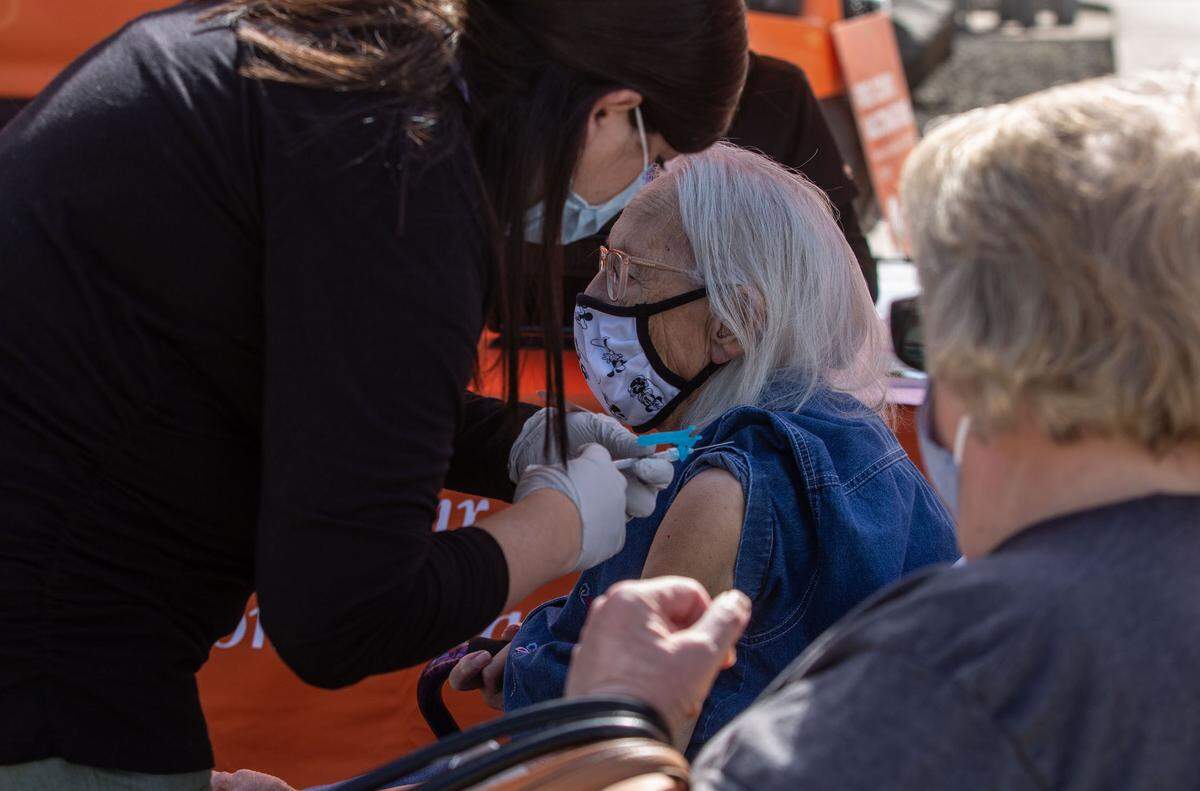
COVID vaccine mandate
The Washington State Hospital Administration is conducting a survey this week on health care vaccination rates, after previously collecting information from some mostly rural hospitals.
There are likely to be some service reductions and closures, but overall services will remain open, Briley said based on information from rural hospitals.
Swedish Health Services, based in Seattle, reported during the news briefing that 86% of its staff were fully vaccinated before the Washington state vaccine mandate was announced.
By Oct. 18 it expects 99% to be vaccinated, with less than 0.5% of its staff expected to leave due to the mandate.
State hospital officials also are encouraged by seeing good compliance with vaccine mandates for health care workers in New York and California, Briley said.
“The real challenge is going to be if there is another surge or there are other stressors on the health care system and how that will impact our hospitals,” she said.
In the past week hospitals reported record high numbers of patients who are ready to discharge to long-term care facilities but are unable to find openings, she said. Staffing shortages are limiting the number of residents nursing homes and other long term care facilities can accept.
The 53 patients hospitalized for COVID-19 treatment in the Richland, Kennewick, Pasco and Prosser hospitals as of Monday accounted for 13% of all patients.
During part of September, nearly a third of local hospital patients were being treated for COVID-19.
Tri-Cities COVID cases
The Benton Franklin Health District has reported 509 new confirmed cases of COVID-19 this week, starting with the weekend, after reporting incomplete data on Monday.
The new cases average 127 per day, down from 170 at the start of last week.
New case rates have dropped below 1,000 per 100,000 people over two weeks in Franklin County for the first time since late August.
The current rate is 941 new cases per 100,000 over two weeks.
In Benton County, the rate has dropped below 800 for the first time since mid August. The current rate is 760 new cases per 100,000 people over two weeks.
Vaccination rates continue to lag Washington state rates.
In Benton County, 46% of all residents are vaccinated against COVID-19. That drops to 41% in Franklin County.
Statewide, 58% of the population is fully vaccinated, not counting some people who received the vaccine through federal programs, such as the Veterans Administration.
This story was originally published October 5, 2021 at 12:55 PM.