
Thousands of Hanford workers will return in phases to guard against coronavirus
Most Hanford nuclear reservation workers will stay home for an eighth week, but there’s a plan for a phased return to work.
Only work essential for safety of the public, workers and the environment is being done on site, which requires about 10 to 15 percent of workers to report to the nuclear reservation.
Three cases of COVID-19, the disease caused by the new coronavirus, have been reported in Hanford workers and it is unknown whether they were on the site while contagious.
The most recent case was in a worker for CH2M Hill Plateau Remediation Co., according to a statement sent to workers May 1. The worker was last on the site April 14.
Earlier cases included a tank farm worker who had not been at work for 30 days when his illness was reported April 16 and a worker at a Hanford fire station whose COVID-19 was reported April 18, nine days after being on site.
The majority of Hanford workers live in Benton and Franklin counties, where a total of 1,162 cases of COVID-19 have been reported since the start of the pandemic.
Nearly half the known cases are in workers at long-term care or retirement homes, in other healthcare facilities and at the Tyson beef processing plant near the Tri-Cities.
“Planning for a return of more than 11,000 workers to the site is a complex undertaking,” said Brian Vance, the Department of Energy Hanford manager, in a message to employees on Thursday.
DOE and its contractors are using “a deliberate, data-driven process for a phased return to the physical work locations in the right way at the right time,” he said.
Preventing COVID-19 spread
The timing and pace of each phase of worker return to the site will take into account the capacity of the local healthcare facilities and the supply chain for personal protection equipment and cleaning supplies.
DOE and its contractors are continuing to ramp up protections for the workforce that will help prevent the spread of the new coronavirus, Vance told workers.
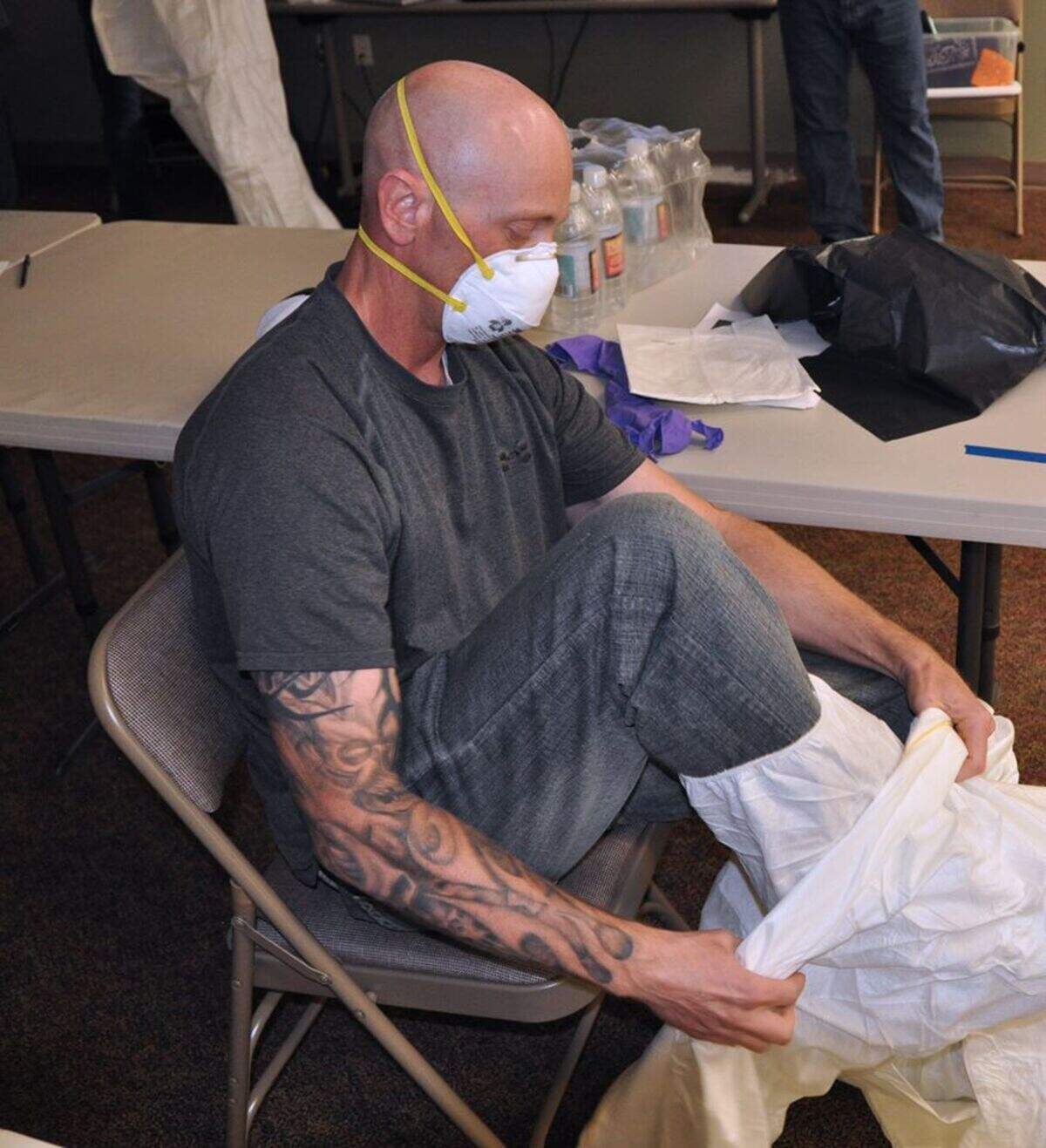
They include adding handwashing stations, reconfiguring office and work spaces to provide physical distance among workers and increased cleaning.
Both regular cleaning and disinfection of surfaces, such as doorknobs, that people frequently touch throughout a work day have been increased.
Although most workers are not on site, about 60 percent of them are teleworking from home.
Almost all workers are being paid for 40 hours a week, even if their job cannot be done remotely, after Sen. Patty Murray, D-Wash., and Rep. Dan Newhouse, R-Wash., pushed to include provisions for their pay in the economic stimulus bill signed by President Trump in March.
Hanford was used to produce plutonium for the nation’s nuclear weapons program during World War II and the Cold War.
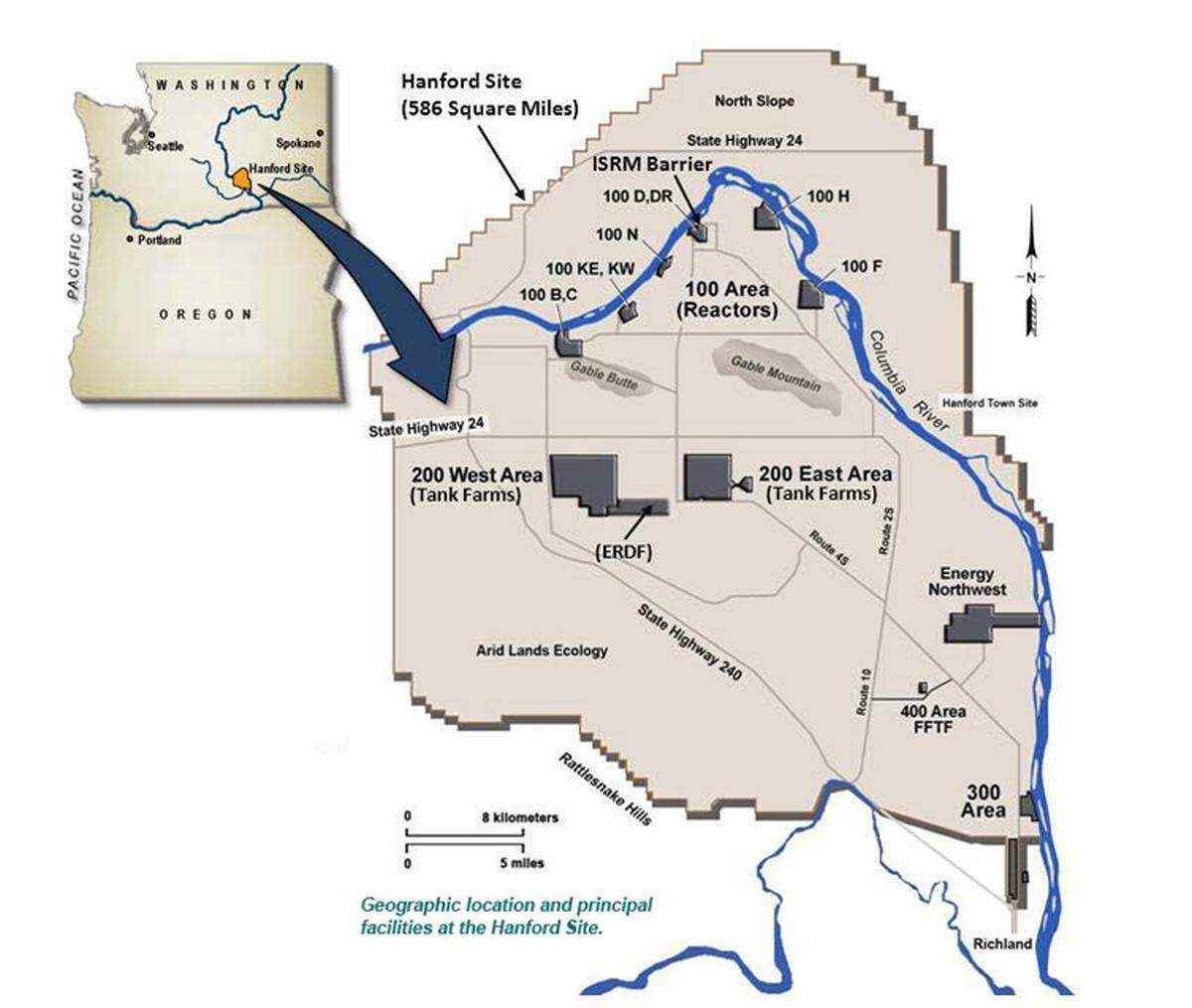
Now about $2.5 billion is spent annually on environmental cleanup of radioactive and other chemical waste and contamination left at the 580-square-mile site in Eastern Washington.
This story was originally published May 7, 2020 at 5:01 PM with the headline "Thousands of Hanford workers will return in phases to guard against coronavirus."