
When your home becomes a coronavirus hot spot, hunker down by taking these steps
A National Emergency has been declared. Coronavirus cases are rising. The likelihood that you may soon be exposed is increasing.
You’ll need to know what to do if you do get exposed and have to self-quarantine.
Assume someone in your home already has the flu or coronavirus. The germs can go from one family member to another. What are you going to do to reduce the risks to everyone else?
This expanding list is derived from Centers for Disease Control and World Health Organization guidance and from other sources.
Block and Tackle — Identify and isolate the threat
Protecting yourself at home requires you to identify every primary direct pathway and take action to segregate and eliminate the risks, block and tackle style — as in football.
The infected person needs to be isolated and kept away from other people while being treated.
Then, clean and disinfect every surface they have potentially contaminated. Germs from an infected and contagious person can be left on any surface that they touch, including food and water, as well as every physical item in a room.
The most common touch points are doorknobs, light switches, cell phones, desks, table tops, remote controls, water faucets, toilets, sinks and items near their heads in the bedroom they sleep in.
It also includes chairs, couches, glass, mirrors, pencils, paper, the floor, carpets, books, plant leaves, and even animals.
What do you do if you need to self-quarantine and manage a real quarantine situation — a Hot Zone — at home?
Get prepared
Get a flu shot if you haven’t had one. It will not prevent you from getting coronavirus but it may help you from getting the flu. It will also build up your antigens and antibodies and which can reduce the severity of your illness if you do get sick.
Monitor the healthy people. Check the temperatures of healthy people twice a day. Be on the lookout for symptoms and changes in people who come into contact with a sick person. Remain alert for fever, coughing, fatigue, weakness, lethargy and difficulty breathing. If someone starts exhibiting symptoms, they should self-isolate, limit contact with others and call their doctor, health care providers or the health department.
Plan what you need. Make a list of all the basic necessities you have on hand and what you will need for two to four weeks. Build a shopping list. Shop online, pay with a credit card and have it delivered. If you cannot do that, call a friend or relative, prepay or repay as needed, and get it delivered it to your door.
Learn how to work from home. Think out what you need to do and go digital everything. Call your boss, employees, co-workers, set up computers and whatever you need.
Use social media wisely. There are several Flatten the Curve Facebook pages that operate at the local or state level. They have turned into places where people post good ideas and share helpful guidance and information with each other. Join one and get engaged.
Be wary of internet misinformation. Place higher trust in the most authoritative sources of information. Study the Myth Busters page for the World Health Organization at bit.ly/corona-myths.
Create list of emergency contacts. Create a list of the key contacts, including family and friends, but also doctors, insurance company, the hospital, school officials, daycare providers, county health department and police. Put the numbers in your cell phone. Place a copy on the refrigerator. Share the list with a close friend or relative if the need arises.
Create family emergency plan handbook. Create a list of the things that need to be done and turn it into an action plan. Identify the chores and frequency and who can take responsibility. Place the plan is a visible place and share it.
When illness hits
Get appropriate help if conditions worsen. Seek prompt medical attention if your illness worsens, such as difficulty breathing. Do not go without calling your doctor first. Put on a face mask and disposable gloves to keep other people from getting infected.
Stay home. Formal quarantines, if ordered by law, may result in legal enforcement actions if violated. If sick, that means no shopping, dog walking or food pickups. You can order food from restaurants and grocery stores and pay in advance by credit card, but have no contact with delivery person who can leave it at the door.
Isolate the sick person. Those infected usually are required to stay home and away from others for at least 24 hours after their fever returns to normal. People who have been exposed to coronavirus are being asked to self-quarantine for up to 14 days. People who are sick must stay in one place in the house and avoid going into rooms that other people will use.
Active monitoring by health caregivers. Caregivers or family members should monitor and record symptoms and patient temperatures in writing. If you are not able to visit in person, use calls, videos or text messages several times a day to ensure you can monitor effectively.
Cover your mouth. Flu and coronavirus spread by the release of virus-laden droplets from the mouth and nose of an infected person. These droplets can be inhaled directly by another person. Use tissues to cover your mouth and nose when you cough, sneeze, blow your nose or spit up phlegm. Make sure you throw the used tissues away. Immediately wash your hands and face. If you don’t have tissues, sacrifice and use an old sock as a germ catcher. Place it in a plastic bag so that the germs on the sock don’t contaminate anything the sock is placed on. Throw them away when done.
Avoid touching your nose, mouth and eyes. Learning to keep your hands away from your face and mouth can be very difficult. Whatever gets on your fingers and goes into your mouth can infect you. Whatever you touch is now on your fingers and hands and can contaminate whatever you touch and infect other people.
Wash your hands and face frequently. Use warm water and soap. Scrub for at least 20 seconds. Rinse and dry with a dedicated hand towel or use paper towels. Color code them so it’s easy to keep towels separate from other people. Dispose of the paper towels immediately after use. Wash every time you use the bathroom. Wash beforeand after eating. Wash after coming home from another location where there were other people.
Use alcohol-based sanitizers. After washing, use hand sanitizer, making sure it is at least 60 percent alcohol. Set up a sanitizer station in the bathroom, in the kitchen and by the doors and entryways. Sanitize after every contact with a potentially contaminated surface.
Isolation from others
Limit contact and avoid being in close proximity with family members who are sick. Keep the sick person at home. Give them a dedicated bedroom and bathroom. Limit close contact and touching between the sick person, pets and other members of the family. Isolate the sick person and don’t let them sleep in the same room as anyone else.
Ban visitors, outsiders, workers or guests. Do not let healthy friends, relatives, employees, contractors or visitors, come inside your house if someone is sick. Do not come closer than 8 feet to a sick person. Do not let delivery people, repair people, housekeepers or dog walkers in the house.
Use face masks and gloves. Have the sick person wear a face mask and disposable gloves when other people come into their room or come close. Have caregivers wear a face mask and use latex gloves when entering the room of the sick person or come close to them with food and medications. Masks and gloves need to be treated as contaminated after use and disposed of properly. Wash your hands after touching contaminated masks and gloves.
Avoid touching and sharing personal and household items. Give the sick person their own washcloths, towels, dishes, clothes, handkerchiefs, toys, utensils, toothbrushes, hairbrushes, medicines, water bottles, toothpaste, soaps, cups, glasses, bedding, blankets, sheets, pillows, pillowcases — anything they contact or use.
Segregate food and personal items. Get a box and place food for the sick person with their name on it so no one else touches it. Keep others people’s food away from anything the sick person is using. Do not let them use the refrigerator if possible. Clean and disinfect as soon as they do touch anything.
Avoid sharing common items. Move other people’s personal items out of the same rooms being used by the sick person. Keep everything separate to avoid contaminating clean products, clothes, and food items. Switch to paper plates and utensils for the sick person. Throw all leftovers away.
Limit contacts with pets and animals. The research is showing that viruses are carried on wet surfaces and this this includes the fur and bodily fluids of pets. Restrict contact with pets and animals. Avoid letting dogs and cats snuggle or lick you. Wash your pet’s feet frequently. If you or others come in contact with your pets, they should wash their hands immediately.
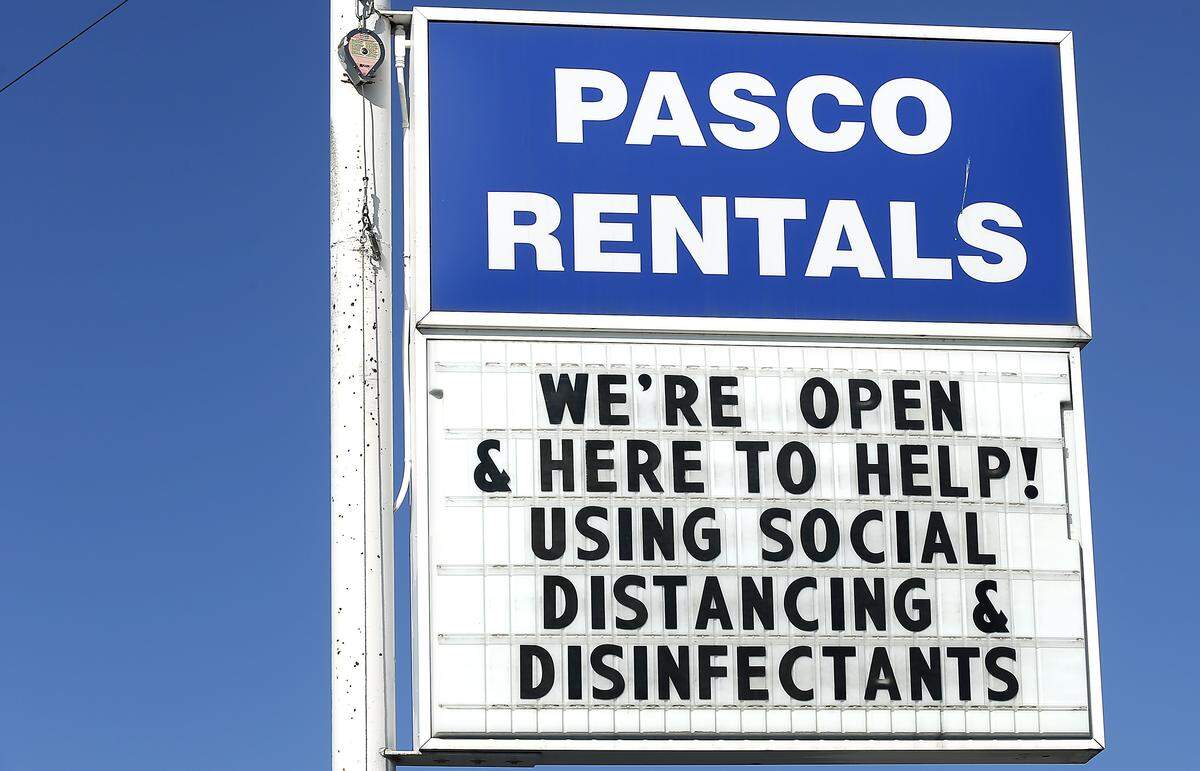
Cleaning and disinfecting
Create home disinfectant solutions in quantity. CDC Guidance states that for disinfection, diluted household bleach solutions, alcohol solutions with at least 70 percent alcohol and most common EPA-registered household disinfectants should be effective. Diluted household bleach solutions can be used if appropriate for the surface. Follow manufacturer’s instructions for application and ventilation. Check to ensure the product is not past its expiration date. Never mix household bleach with ammonia or any other cleanser. Unexpired household bleach will be effective against coronaviruses when properly diluted. Prepare a bleach solution by mixing 5 tablespoons (one-third cup) bleach per gallon of water or 4 teaspoons bleach per quart of water.
Clean, disinfect and dispose of anything contaminated. Treat everything the sick person touches and uses as contaminated. Pay special attention to anything that has blood, spit, phlegm, stool or any other bodily fluids on them. Keep their garbage separate, away from others and place second plastic bag inside and tie it closed when done. Wear disposable gloves when handling contaminated items, keeping them away from your body. Wash your hands immediately dispose of the gloves.
Avoid being in common areas. Do not have the sick person in close proximity to healthy family members and friends. This means they should not be on the couch wrapped up in a blanket watching TV in the family room with everyone else nearby. Do not eat meals or even snacks in the same room at the same time or in close proximity to the sick person. The risk of infecting others is dramatically higher when a sick person is close to people when they are eating food.
Clean and disinfect everything. Germ-laden droplets can be sprayed, fall on and adhere to any surface. Go through your house room by room. Identify and then clean every frequently-touched surface. Give special attention to the kitchen on every surface and every item which is used where food is prepared or eaten. Microwave your sponge on high for one minute or just grab a new one. Use the high temperature sanitize setting on your dishwasher. Wash dishes and silverware thoroughly with soap and dry carefully.
Check with your local health department. Find out how to deal with contaminated items and property. Check to get the latest guidance if you are considering taking contaminated clothes, bedding or laundry items to a communal laundry or sending them to a commercial laundromat.
Wash the sick person’s personal items carefully. If someone in the house is sick take special care when washing their items. While you don’t need to wash their clothes separately, do separate their clothing in the room they are staying and do not scoop up their clothes in an armful and holding them close to your body, your own clothes or your mouth and nose. Wear gloves and avoid touching their clothes as you do the laundry. Use laundry soap and dry on a hot setting. Always wash your hands after handling dirty laundry.
Warn visitors. Do not let healthy people into a sick home. Tell them not to come in. Do not let a sick person come in contact with healthy people. Limit contacts with the sick person to the maximum degree possible.
Clean and clean again. Carry disinfecting wipes and spray bottles with you. Clean something before you touch it. When done with the object or surface, clean it again so you reduce the risks for the next person. Protect yourself. Protect others. Leave everything cleaner than when you go there.
Discontinuing home isolation. Stay at home until you have been instructed to leave. Patients with confirmed coronavirus should remain in home isolation until the risk of secondary transmission to others is thought to be low. The decision to discontinue home isolation should be made on a case-by-case basis, in consultation with health care providers and state and local health departments.
CDC references: bit.ly/coronavirus-sick, bit.ly/coronavirus-steps, bit.ly/coronavirus-disinfect