
4th WA bird flu outbreak confirmed in large poultry farm. Warning issued
AI-generated summary reviewed by our newsroom.
- Eastern WA commercial poultry operation confirmed highly pathogenic avian influenza.
- State agencies warn migrating waterfowl increase infection risk for backyard, commercial flocks.
- Authorities advise confinement, disinfection, restricted access and prompt reporting.
An outbreak of highly pathogenic bird flu has been confirmed at a large commercial poultry operation in Grant County near Moses Lake in Eastern Washington.
It is the first outbreak of avian influenza in the county, and comes at a time of year when wild birds may spread the virus as they migrate through the Northwest.
An outbreak also has been confirmed this week in Oregon southeast of Walla Walla at a Wallowa County farm.
The Grant County outbreak was reported Tuesday and then confirmed with testing later in the week.
The Washington state and Oregon Departments of Agriculture did not release the names of the farm and commercial operation with the current outbreaks.
In previous years, there have been three large outbreaks in poultry at a large commercial egg operation in Franklin County in Eastern Washington, but no outbreaks in the Tri-Cities area have been reported since January.
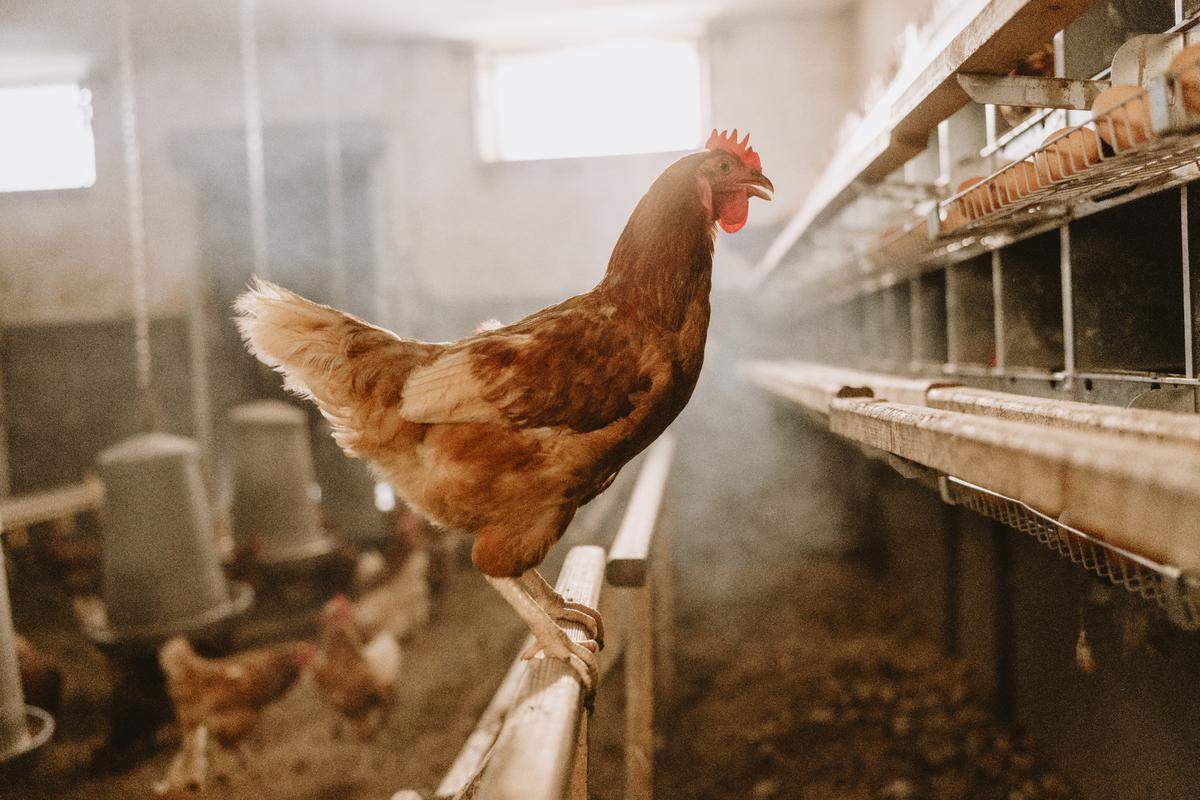
Often outbreaks in commercial facilities require hundreds of thousands of chickens to be killed to stop the spread of the virus, and eggs are destroyed.
Past spikes in egg prices have been blamed on outbreaks in large commercial facilities.
In addition to farms and backyard flocks that have been infected with the virus in Benton or Franklin counties, a long list of wild birds also have been found with the virus in the two counties.
They include bald eagles, Canada geese, mallards, different types of owls, a snow goose, a sandhill crane, crows, ravens, starlings and sparrows.
Mammals found with the illness in Washington state include rodents, raccoons, a bobcat, harbor seals, a fox and skunks.
Some workers in Franklin County also have been infected with the virus during outbreaks, but no hospitalizations have been reported.
Autumn and bird flu
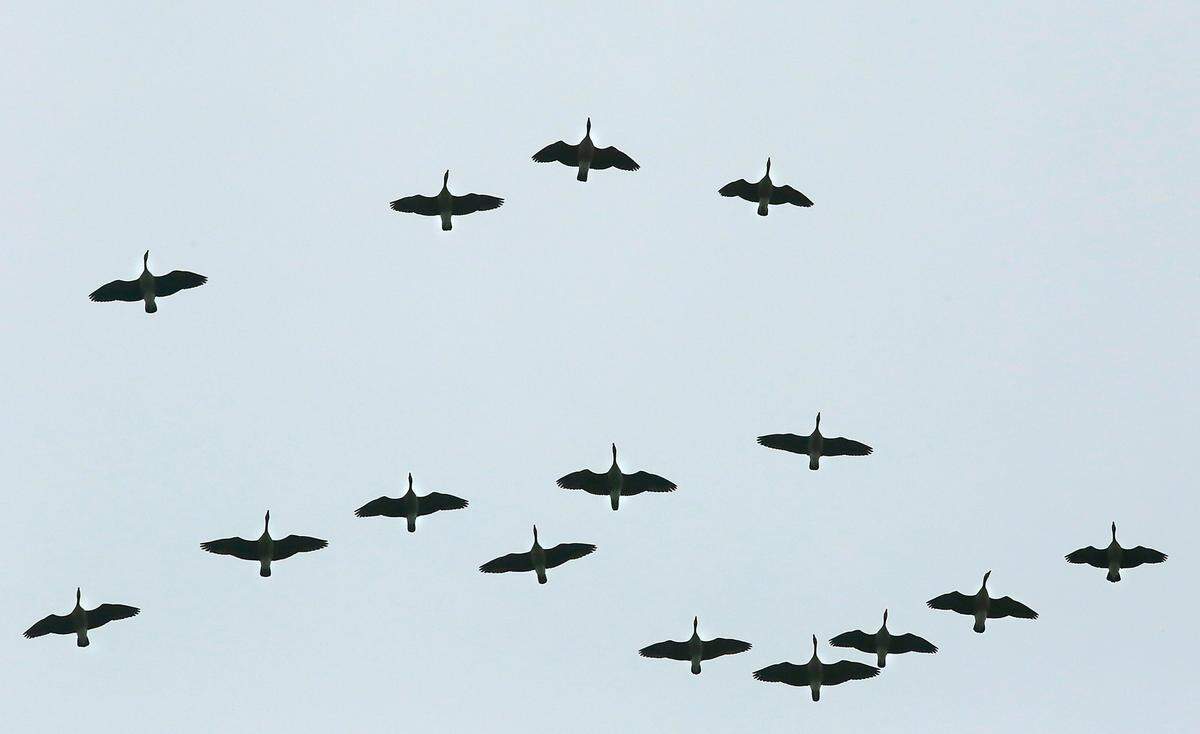
The Washington state Department of Agriculture is warning that both backyard and commercial flocks are at increased risk of avian influenza as migratory birds return this fall.
The virus is deadly for chickens, turkeys, ducks, geese and other poultry and game birds.
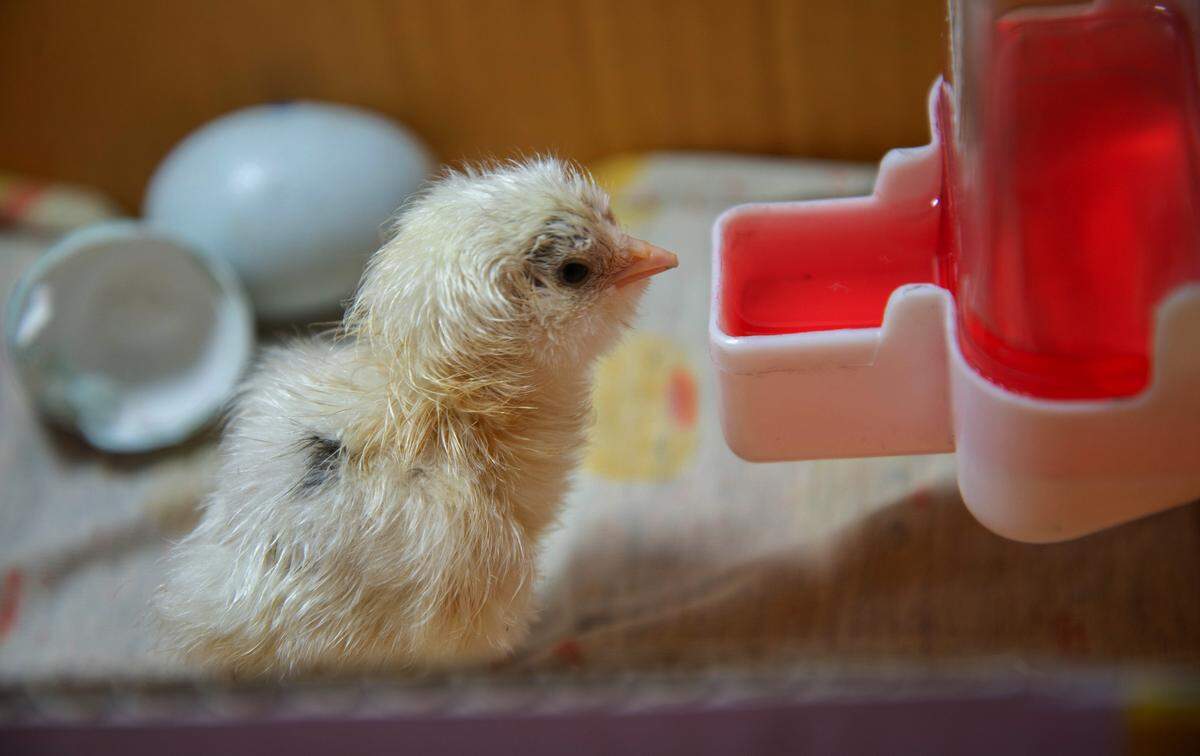
Since the avian influenza outbreak began in the United States in 2022, there have been 52 backyard flocks and four commercial flocks infected in Washington state.
The chickens at Oakdell Farms egg production operation near Pasco have been infected three times, and the current outbreak in Grant County is the fourth large commercial operation to have an outbreak caused by the virus.
Dr. Amber Itle, the Washington state veterinarian, said in a recent blog post that bird flu can progress rapidly. A flock might appear healthy one day and the next day many birds may be dead.
The biggest risk of infection is contact with wild waterfowl.
Wild birds from around the world often gather in Alaska during the summer, where they mix, exchange and reshape viruses, she said.
As they migrate south to Washington state in the fall, they can bring new strains of avian influenza with them.
“Every backyard flock is vulnerable right now,” Itle said. “The biggest risk factors include water features like ponds or food sources that attract migrating waterfowl.”
Washington state has not had any detections of avian influenza in livestock or dairies, but 18 other states, including Idaho and California, have had cases confirmed in dairy cattle.
Preventing avian influenza
To protect your flock and other animals:
- Keep your birds and their food and water enclosed or under cover to avoid contact with wild birds.
- Avoid areas where waterfowl gather, like lakes, ponds and canals.
- Disinfect coops, tools and footwear regularly.
- Wear gloves, separate clothes and dedicated boots when tending to your flock.
- Limit visitors and never share equipment with other bird owners.
- Watch for signs like coughing, sneezing, lethargy or sudden death in multiple birds over a short period of time.
- Prevent exposure of livestock to wild waterfowl.
- Limit the co-mingling of different species of livestock, especially poultry and pigs, and keep livestock separate from poultry and waterfowl.
- Do not feed raw milk or raw pet food to dogs or cats.
If you see signs of illness or unexplained deaths in your birds, call the state Department of Agriculture’s Avian Health Program at 800-606-3056.
Report dead wild birds to the Washington state Department of Fish and Wildlife at bit.ly/3KMSMiU.
This story was originally published October 10, 2025 at 1:59 PM.