
1st look inside Eastern WA’s new $125M hospital. It has more of everything
8 a.m., Feb. 1.
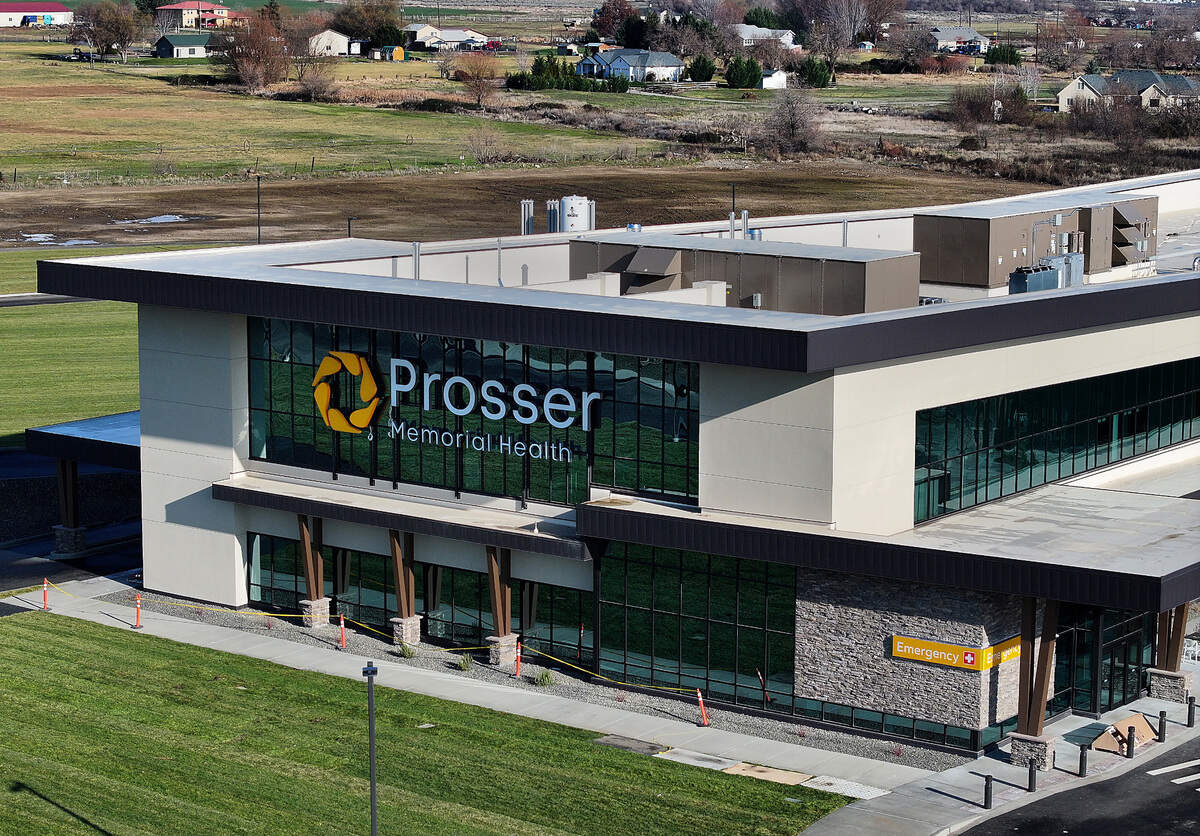
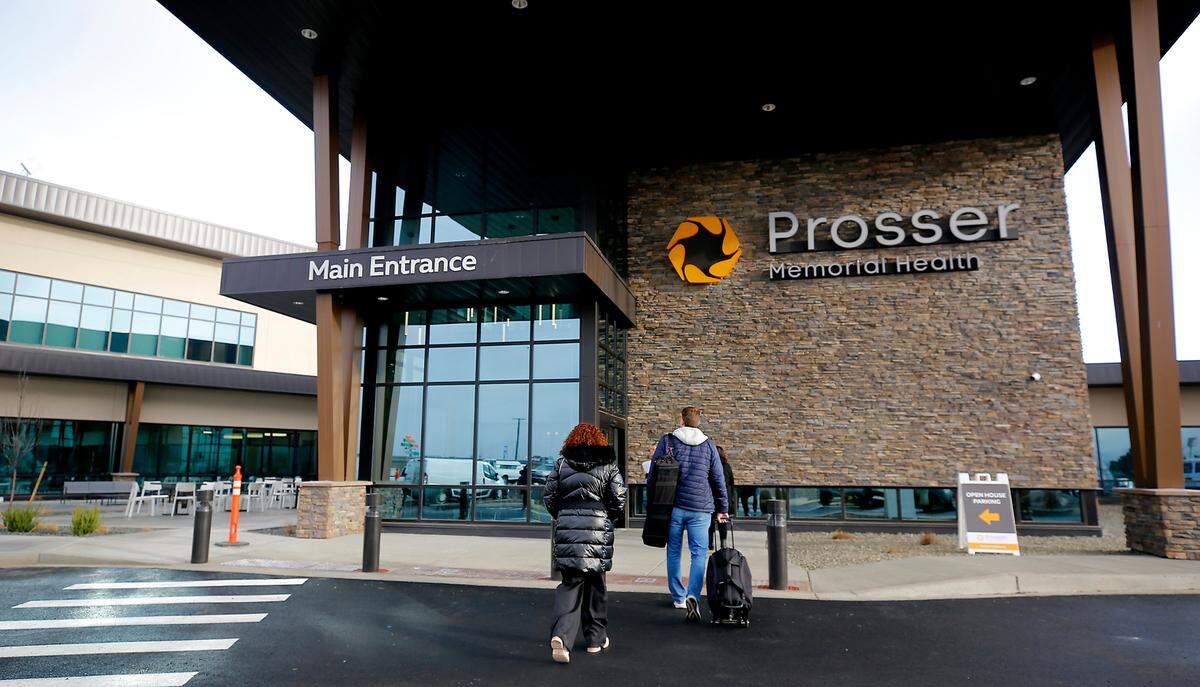
That’s the magic moment when Prosser Memorial Health and its nearly 700 employees will move into the $125 million new hospital built over the past two years near Interstate 82 and North Gap Road.
It will stop accepting patients at the old hospital, but will keep the building as a medical clinic.
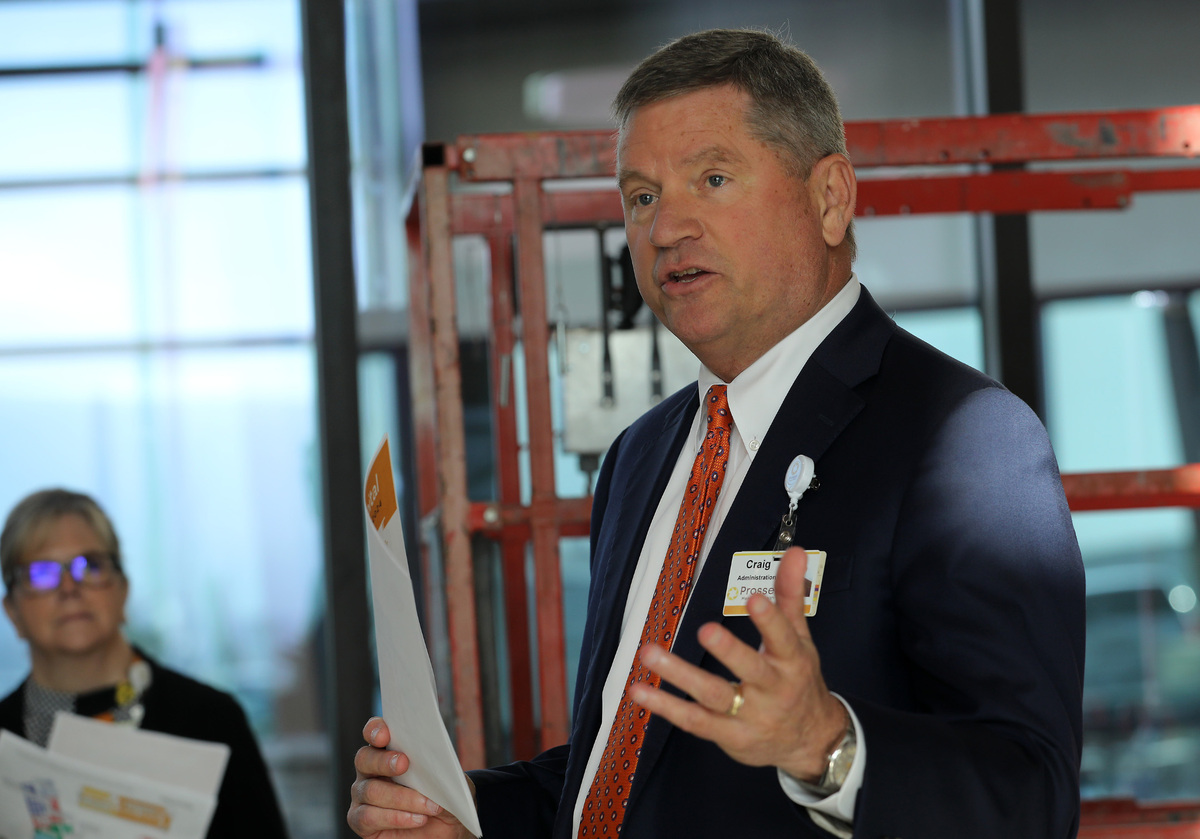
Craig Marks, chief executive officer, led journalists on pre-opening tours this week ahead of two open houses for the public, starting this weekend.
The community will get a chance to peek inside the hospital before most areas become off limits. Guided tours are offered in both English and Spanish from 9 a.m.-3 p.m., Jan. 11 and Jan. 18.
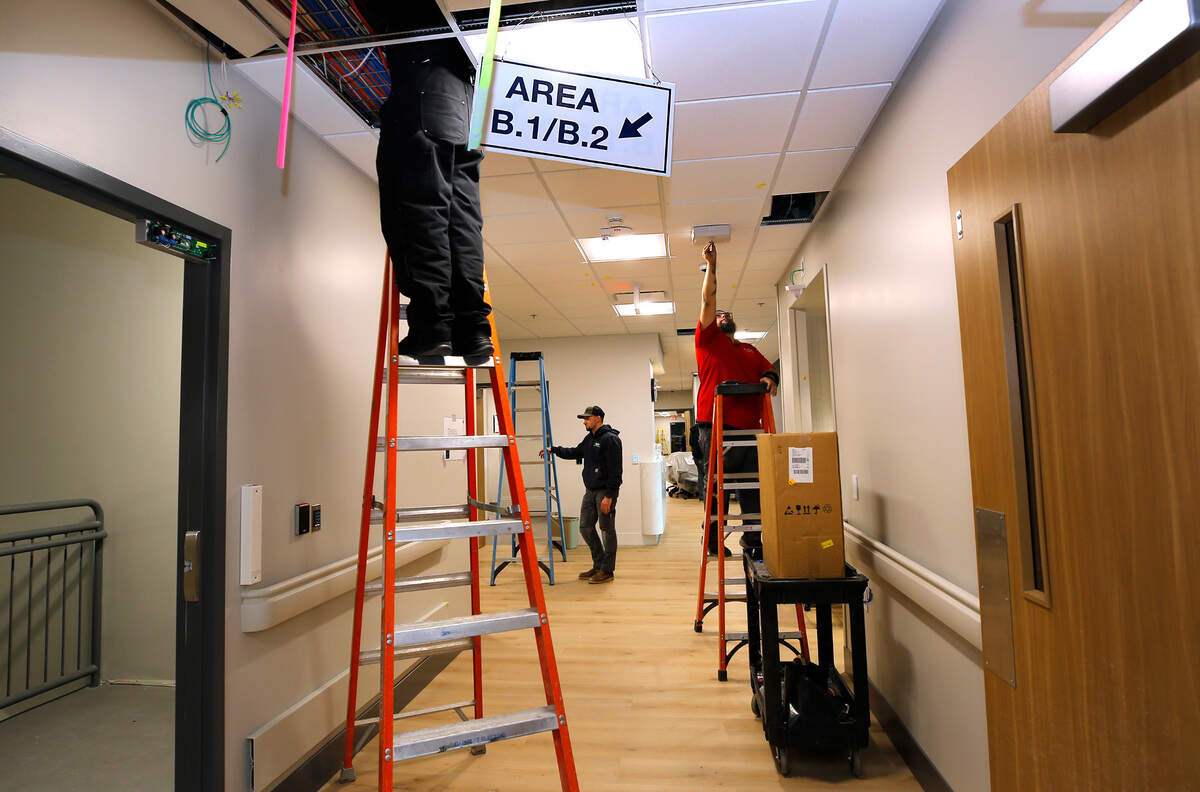
As Marks touted the features, construction crews readied the building for its big debut.
The new Prosser Memorial offers more of just about everything available at the original. It will serve an area stretching from Sunnyside and the Lower Yakima Valley to Walla Walla.
There are more birthing suites, more emergency treatment rooms, more operating rooms, more recovery rooms, more in patient rooms, more intensive care rooms, new radiology equipment and a suite of urgent care rooms, medical offices, surgical offices, a cardio rehab clinic and a cafeteria.
It is reportedly the nation’s first all-electric hospital — without use of natural gas — and boasts its first-ever heliport for patients who need to be moved by helicopter.
Labor of love
The project is a labor of love that began in earnest in 2017.
That’s when the public hospital district that owns the hospital bought 33 acres for a new facility after concluding its aging hospital couldn’t be modernized.
The original Prosser Memorial is 77 years old and was dedicated to the memory of World War II veterans on Dec. 26, 1947. The building will operate as a medical clinic, with gasteroenterology and wound care services taking over vacated space.
Prosser Memorial is re-centering itself across the freeway, at 200 Prosser Health Drive.
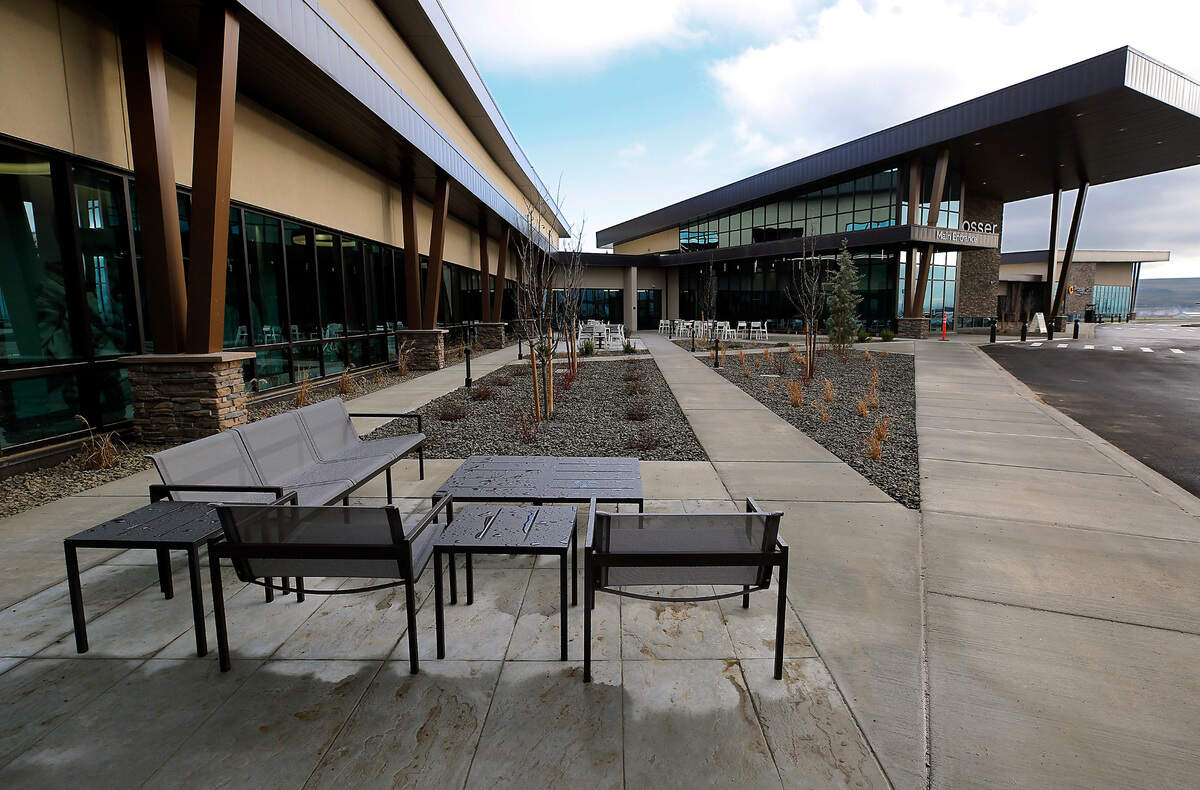
The 105,000-square-foot hospital is the first of what promises to become a proper medical campus. Future additions include a medical office building and a retail pharmacy.
The hospital was built with a mix of funding sources. The U.S. Department of Agriculture office of rural development provided $80.5 million in low-interest loans. The hospital district saved $30 million, knowing it would need to make a substantial investment.
“We saved our pennies to be able to do this,” Marks said. The district is proud that it did not raises taxes or turn to area voters for a bond to pay for the project. Those who want to support it can contribute to capital drive named for the late Wayne Hogue.
It has raised about $1.5 million of its $2+ million goal.
The hospital’s cost swelled to $125 million, from $112 million. Inflation and the impact of COVID-19 on construction costs drove the increase, he said.
“That hit us pretty hard,” he said. Too, managers decided to finish all areas instead of leaving some unfinished for the future.
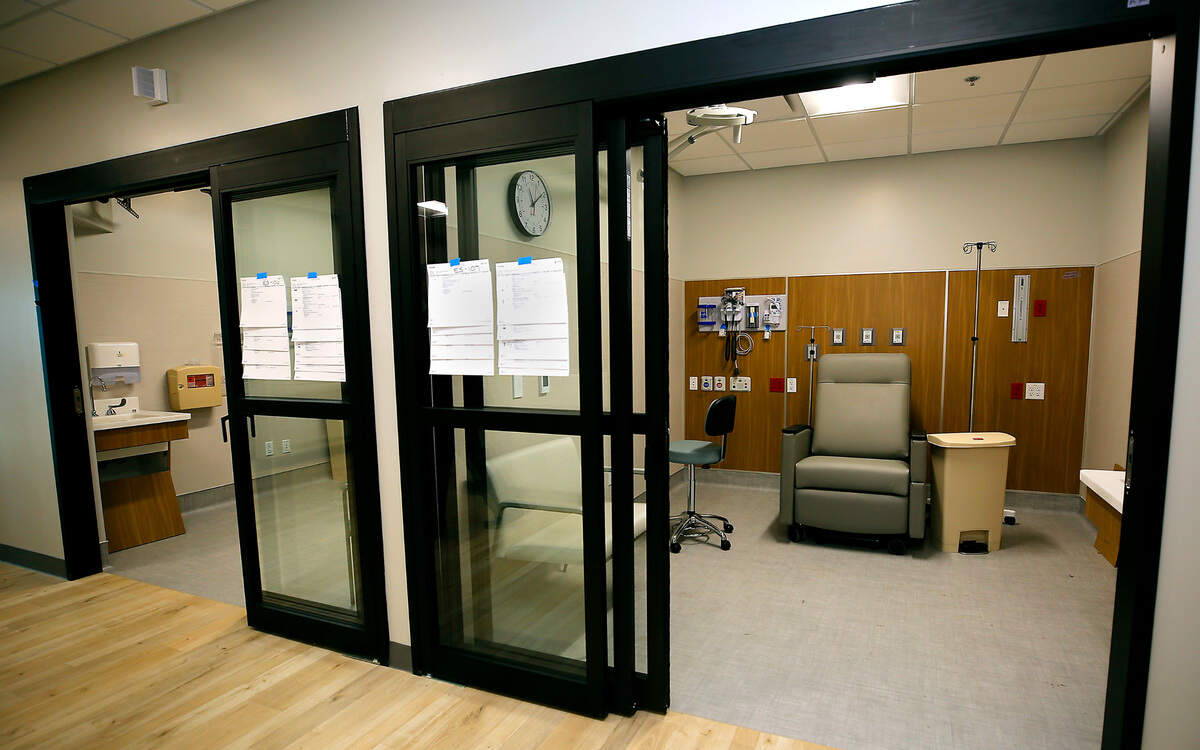
An unrelenting rise in births, surgeries, lab procedures, emergency room visits, diagnostic procedures and more mean it’s all needed now. Every inch of the hospital will be put to use, Marks said.
The new hospital was designed by Kurt Broeckelmann of BC Design Group, an Overland Park, Kan. firm that specializes in medical facilities.
The striking structure follows the design philosophy attributed to Frank Lloyd Wright: “A building should be of the land.”

Its angled roof traces the rise and fall of Rattlesnake Mountain to the north and the Horse Heaven Hills to the south. Basalt details echo the volcanic material that forms the foundation of most of Eastern Washington.
Large windows bring in natural light and rooftop equipment is minimized to preserve patients views. Marks said the building was designed to promote healing. It was also designed to be durable.
The new hospital’s terrazzo floors were costly, but will be indestructible and easy to maintain. The old hospital has carpet.
Marks said design included input from the staff who will work in it. That’s helping recruit workers.
“People want to work here,” he said.
Labor and delivery
Prosser recorded 733 births in 2024, 25% more than 2021.
In the new hospital, the labor and delivery unit is on the second floor.
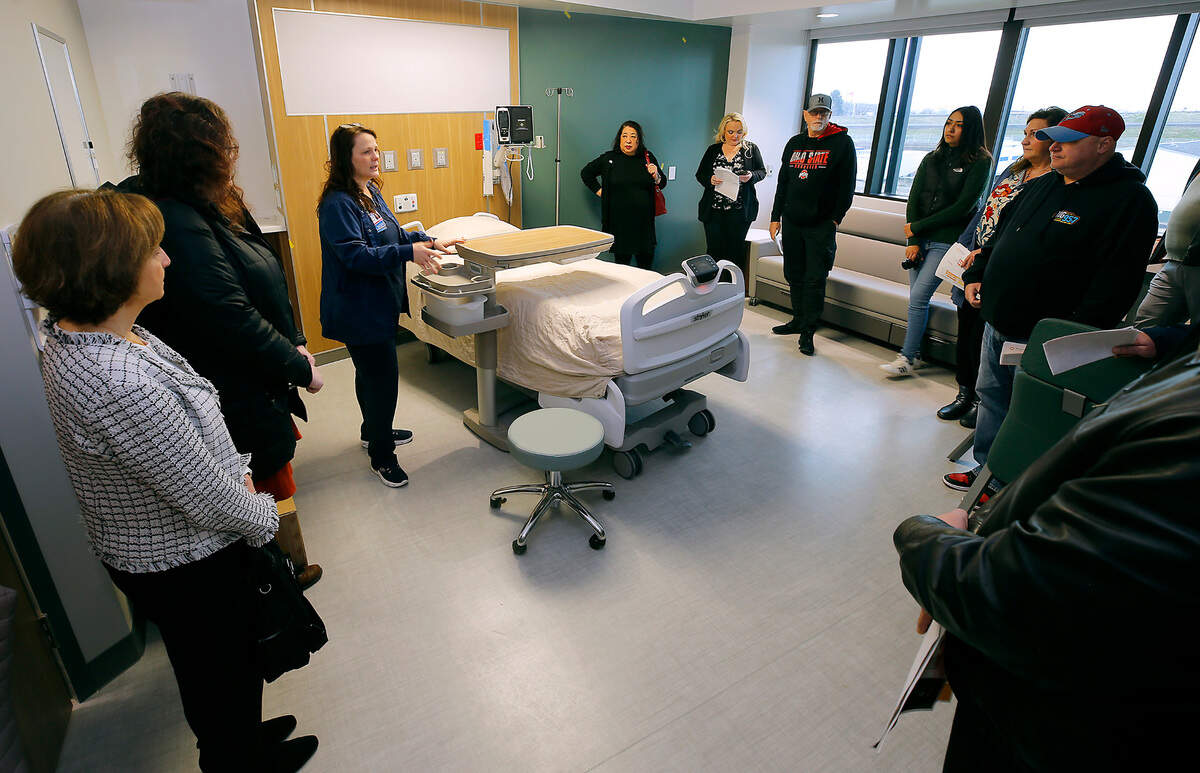
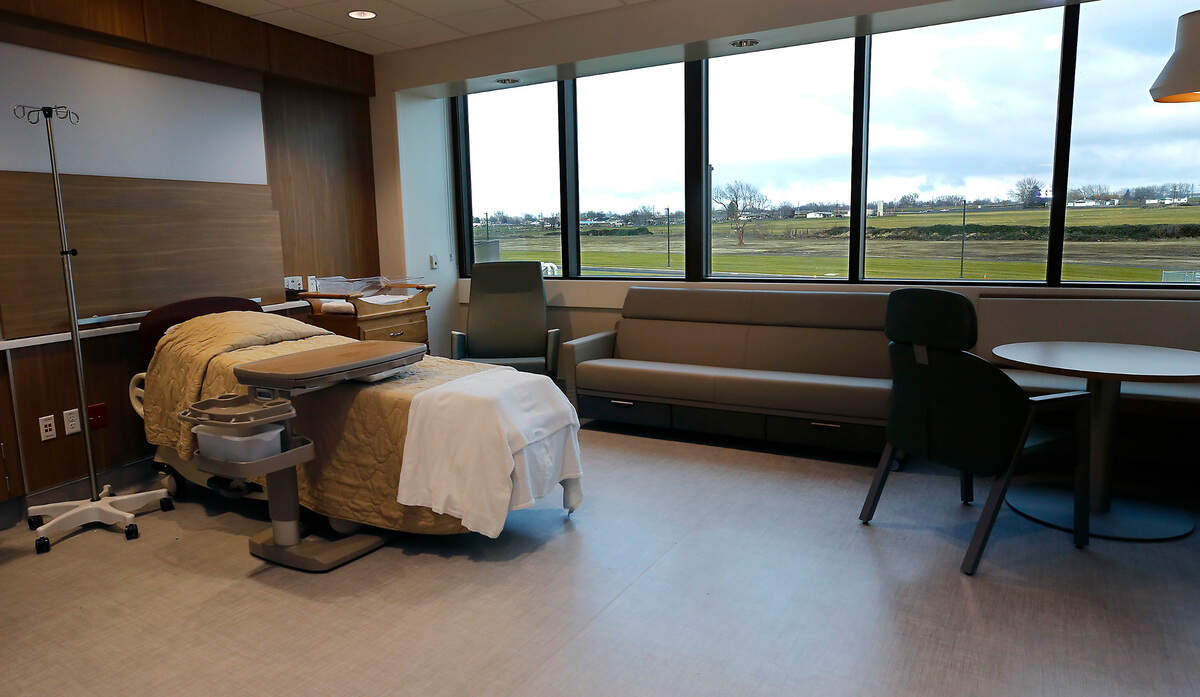
The secured unit has six private rooms where women will labor, deliver and recover in the same room. A dedicated operating room is on standby for C-sections and other procedures.
Additional rooms on the same floor can be pressed into labor duty when waves hit the hospital. That’s common, said Terra Palomarez, nursing director.
The birth unit is secured from the rest of the floor. All rooms have infant alarm systems to ensure security for the newborns and their families.
ICU, end of life
There are four rooms dedicated to intensive care — something the old hospital lacked. They’re on the second floor and are equipped with lifts to ease movement as well as negative pressure air systems to control infectious disease.
A fifth accommodates patients near death and has extra room seating and other comforts for family members who gather to be with them.
The old hospital has no ICU rooms.
Emergency room, helipad
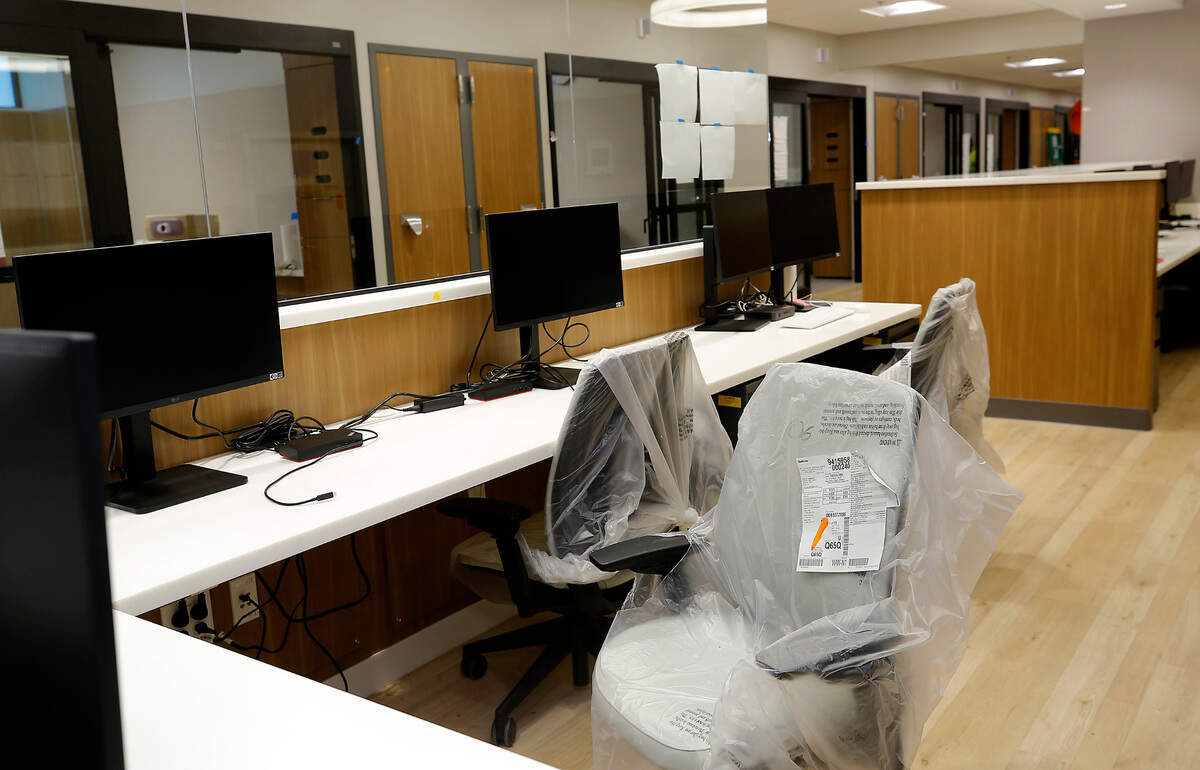
The new hospital has 17 rooms in the emergency department. The old hospital has seven and served more than 21,500 patients in 2024.
The extra space, modern equipment and growing staff mean more ER patients can be treated in Prosser, a Level IV trauma center, instead of sending them to Kadlec Regional Medical Center, a Level II trauma center in Richland or Harborview Medical Center, a Level I trauma center in Seattle.
That’s important when the regional hospitals are short of beds, which Marks said happens. Prosser has sent patients as far as Montana when beds weren’t available in Washington.
That said, Prosser isn’t trying to compete with the larger facilities for emergency room patients.
“We are going to stay in our lane,” he said.
Prosser Memorial now has a dedicated helipad. In the past, if patients needed to be flown, they were transported to the Prosser Airport. The helipad is built outside the ER. Marks said the intent was to have a way to easily send patients to larger facilities.
That’s the intent, but it has allowed the hospital to receive patients, chiefly for its gastroenterology services.
Operating rooms
Prosser Memorial handled 5,785 surgeries in 2024, more than double the volume of the previous year.
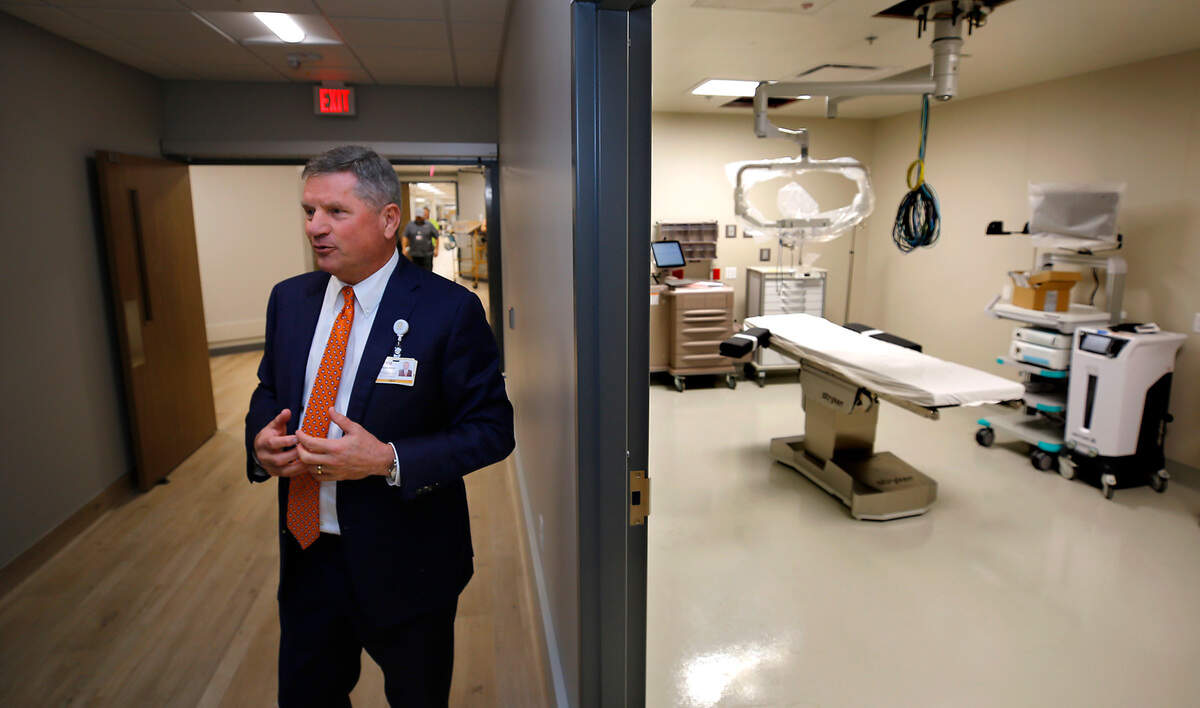
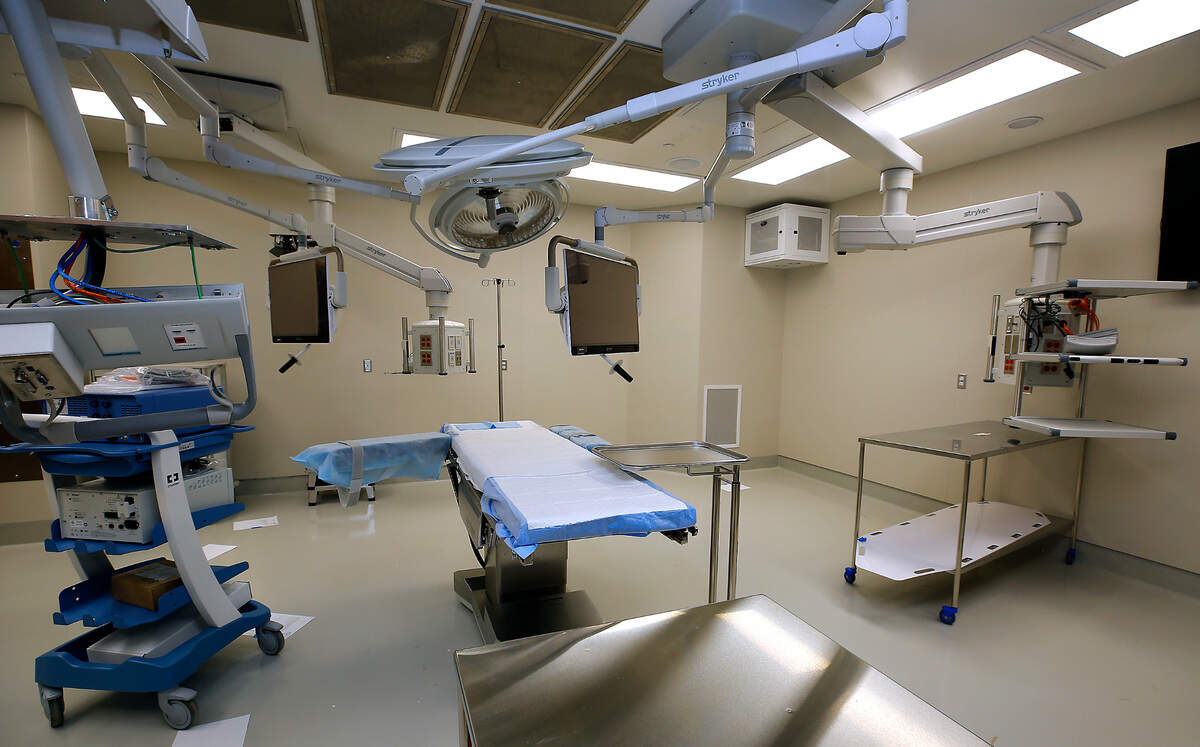
The new hospital boasts four operating rooms on the first floor, 10 pre- and post-op rooms and an area in between to monitor patients as they come out of anesthesia. The fifth operating room is one floor above, attached to the birthing unit.
Each cost more than $1 million and features all new equipment. The hospital is including a robotic da Vinci Surgical System in one.
“It doesn’t get better than this,” Marks said.
This story was originally published January 9, 2025 at 10:57 AM.