
Tri-Cities first responders brace for coronavirus ― and their own safety
Firefighters throughout the Tri-Cities are taking steps to protect their patients and themselves with the spread of the novel coronavirus.
The recent outbreak of COVID-19 at the Lifecare Center of Kirkland left 27 firefighters and two police officers quarantined after they made trips to the nursing home in recent weeks. Some are now showing flu-like symptoms.
“Unlike patient care in the controlled environment of a healthcare facility, care and transports by EMS present unique challenges,” the Centers for Disease Control and Prevention said in its guidance to first responders.
Often the people providing medical help are in an enclosed space and need to make fast decisions with little information on a variety of patient conditions.
The Benton-Franklin Health District, the state Department of Health and the CDC are monitoring the disease after it led to a reported 14 deaths and 79 confirmed cases statewide.
As of Friday, there were no confirmed cases in Benton or Franklin counties.
Protecting themselves and patients
Preparation in the Tri-Cities starts at the Southeast Communications Center, which handles all of the 911 calls for Benton and Franklin counties.
Dispatchers already have been asking 911 callers questions to determine if a person is at risk of having the coronavirus before ambulances ever arrive. That includes asking if the person has flu-like symptoms.
Until recently, dispatchers also asked if the people went to countries more affected by the disease, said Kim Lettrick, the center’s communications manager.
The center worked with local and state officials to adjust those questions after people in Washington and Oregon were infected without traveling outside the U.S.
A safe response to emergencies requires an integrated approach, according to an EMS infectious disease playbook put together for the U.S. Department of Health and Human Services. It’s a collection of advice meant to help agencies prepare.
About three-quarters of the calls to Kennewick, Pasco and Richland fire departments are for medical emergencies. They need to constantly be prepared for a variety of diseases, said officials.
“We’re doing what we do every day,” Kennewick fire Capt. Eric Nilson said. “We’re protecting our people with the normal use of (personal protective equipment.)“
Nilson, the department’s emergency medical services officer, said the level of protection can range depending on what dangers the crews are facing.
If someone is bleeding, they may don protective suits to make sure they aren’t infected by a blood-borne disease. At minimum, they wear gloves, eye protection and sometimes a mask.
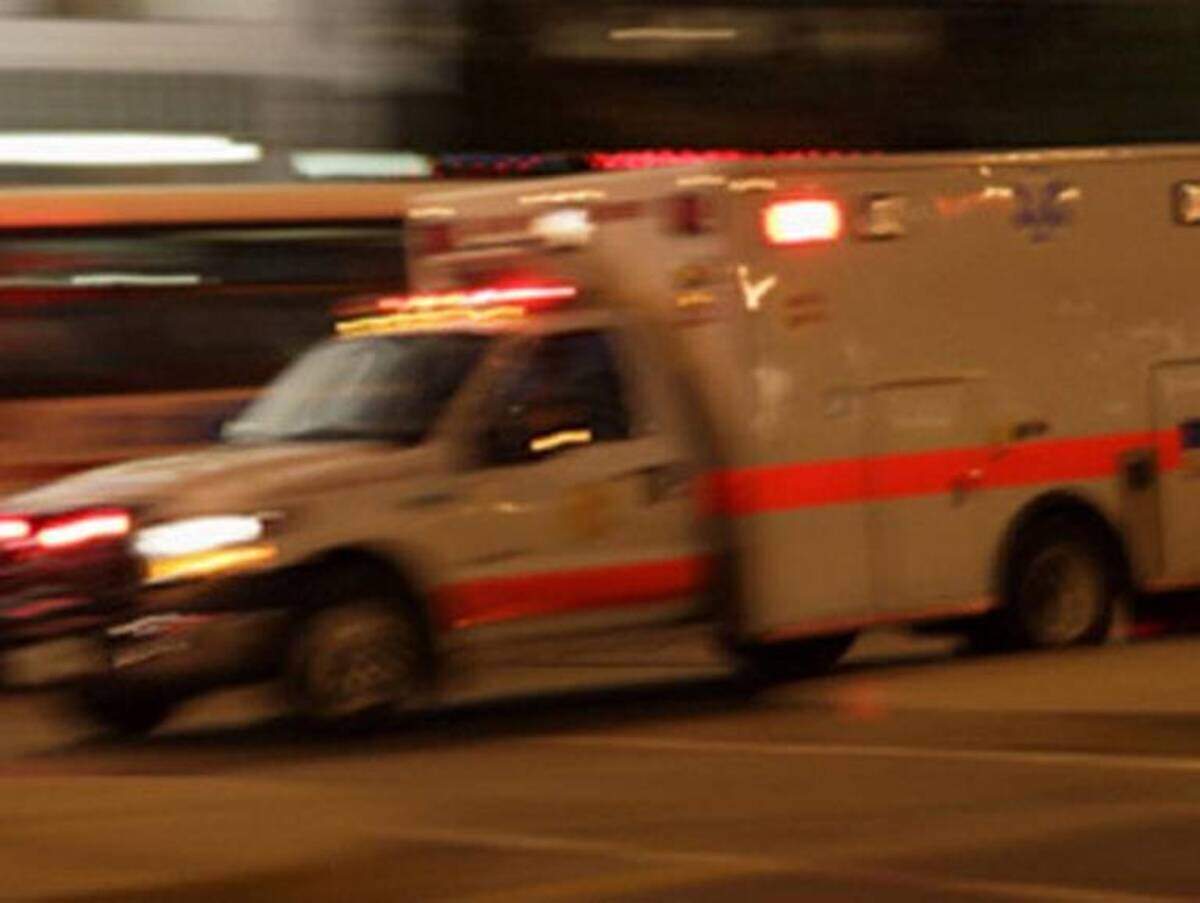
While coronavirus added a new worry for the people responding to emergency calls, it is just one extra concern.
Nilson and Ben Shearer, Pasco Fire’s public information officer, said they follow the guidelines set out by the CDC and the state.
The federal agency recommends they use gloves, a mask, eye protection as well as a disposable gown in cases where it’s possible the person has coronavirus.
If the patient is coughing the medical staff also put a mask on the patient.
After they transport the person, they use sanitizers to wipe down in the interior of the ambulance to make sure it’s clean for the next patient.
“Before the ambulance is used again, we clean the back of the ambulance using germicidal wipes and sprays,” Nilson said. “They kill everything from hepatitis B to tuberculosis.”
Remain calm
Nilson and Shearer had the same message for people in the community — keep calm and follow the guidance set out by health officials across the state.
- Stay home if you’re sick.
- Wash your hands for at least 20 second with soap and water.
- Cough into a tissue or elbow and avoid touching eyes, nose or mouth.
- Clean the frequently touched surfaces at home, work or school, especially if someone is sick.
If people feels like they have the flu, it’s better to call your doctor rather than the ambulance or go to the emergency room, said the Benton-Franklin Health District.
“We always see more calls from sick people this time of year,” Shearer said. “They’re sick and in pain and they’ve dealt with it all day long and now they want to go get help. The hospital isn’t necessarily the best for that.”
People should make sure they stay hydrated and rest, and Shearer said there are plenty of places people can get medications to treat their symptoms.
If people are extremely sick, the ambulances are available to take them to the hospital, Shearer said.
Workers’ compensation
Gov. Jay Inslee and and Joel Sacks, the director of the Washington Department of Labor and Industries said they are making sure the healthcare workers and first responders affected by COVID-19 have workers’ compensation.
“These healthcare workers and first responders are protecting our communities,” the governor announced this week. “They need to know that we have their backs. This is the right thing to do.”
The compensation can cover treatment, medical testing if a worker becomes ill or injured. It will also provide pay for people who are sick or quarantined.
This story was originally published March 6, 2020 at 2:49 PM.