
Richland abuzz with Black Hawks and more. How they're helping with the firefight
AI-generated summary reviewed by our newsroom.
- Richland Airport hosted temporary air tankers and helicopters to fight regional wildfires.
- Dauntless operated under a federal contract; Northwest worked for the state.
- Juniper Dunes burned over 13,000 acres while Twin Sisters burned about 8,200 acres.
The Richland Airport is abuzz with air tankers this week, firefighting aircraft summoned to combat flames burning across thousands of acres in the Mid-Columbia.
Monday was a particularly busy day as the temporary fleet of fixed-wing aircraft and helicopters flew missions to drop Columbia River water at Juniper Dunes Wilderness, Twin Sisters and Benton City.
“Between the three fires, it was a very busy day,” said Quentin Wright, the airport’s manager.
Tuesday brought a pause.
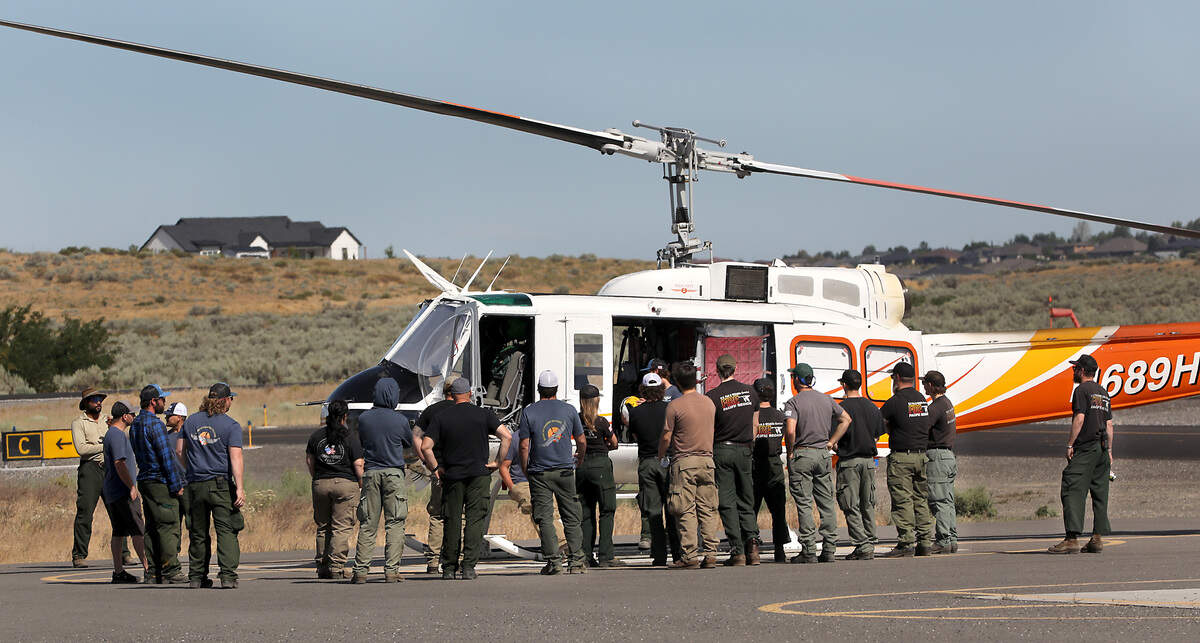
Crews cleaned and maintained their aircraft and chatted about the business with visitors. Still, stiff winds threatened to whip up fresh fires and the crews were in standby mode.
Temporary tenants
The Port of Benton, which owns and operates the municipal airport off the Highway 240 Richland bypass highway, has temporary leases with contractors that battle wildfires on behalf of the federal Bureau of Land Management and the state Department of Natural Resources.
Supporting firefighters is an important part of the airport’s mission, Wright said. The airport has consistently hosted airborne firefighters since 2023 and served as an occasional host before that.
Wright welcomed the opportunity to showcase how the airport contributes to the local economy.
It is known for its private hangars, but is also a hub for business aviation. Life Flight has a base there as do companies that monitor pipelines and transmission lines from the air.
A new business recently established a base to serve tourists who come to Richland via American Cruise Lines and sign up for tours of the Hanford site.
The firefighting teams don’t have their own hangars. Wright said the airport’s full-time tenants are happy to loan their own hangars to the guests, giving them a place to wait out the moments between flights.
Wright said the added firefighting missions are probably noticeable to neighbors. He asked residents to be patient with the added noise.
The visitors have important work to do.
Planes and helicopters
Two contractors came to help fight the local fires this week.
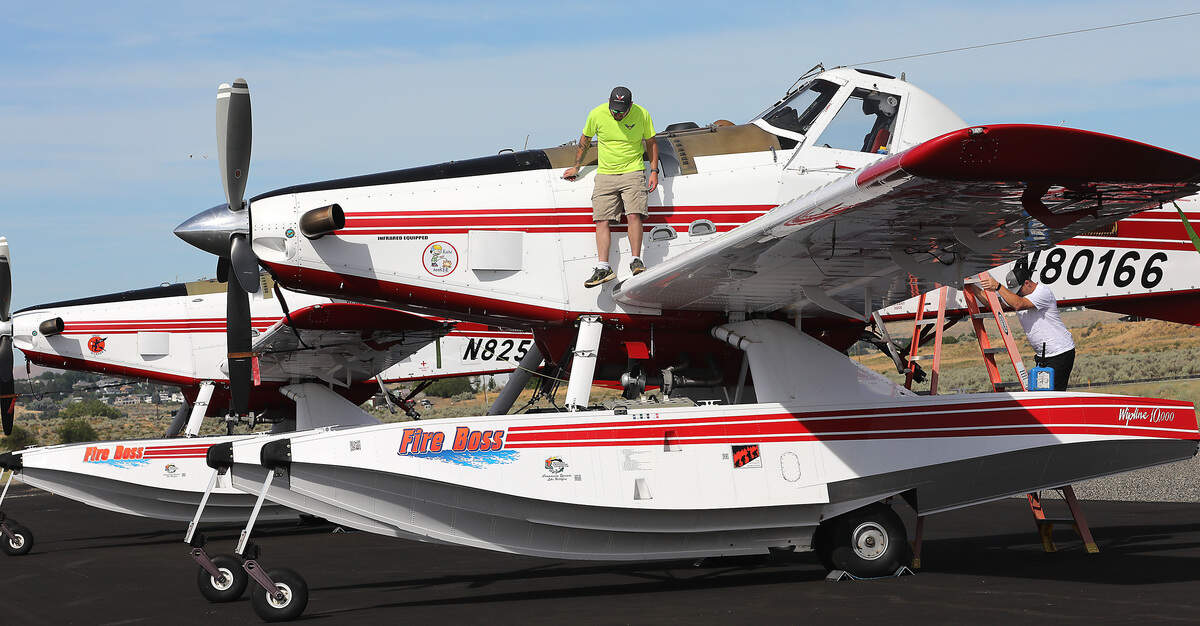
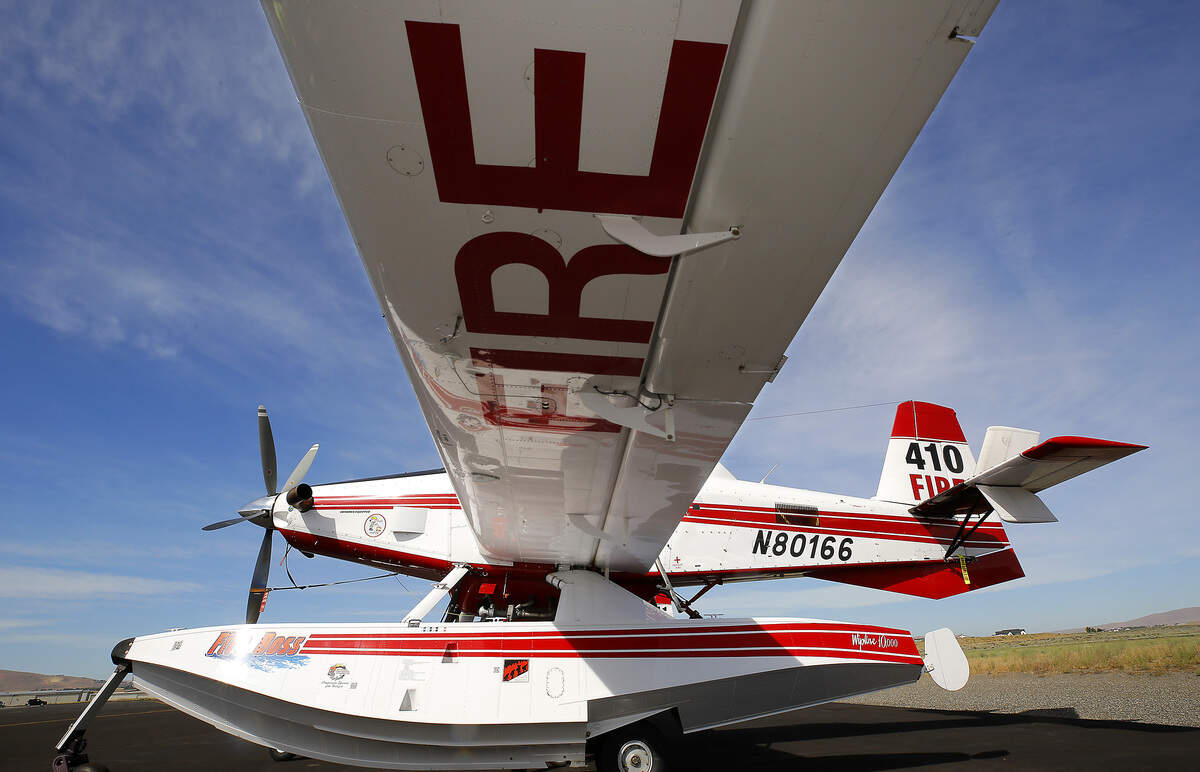
Dauntless Aviation, based in Texas with bases in Idaho and Minnesota, dispatched four planes to Richland under contract with the federal government.
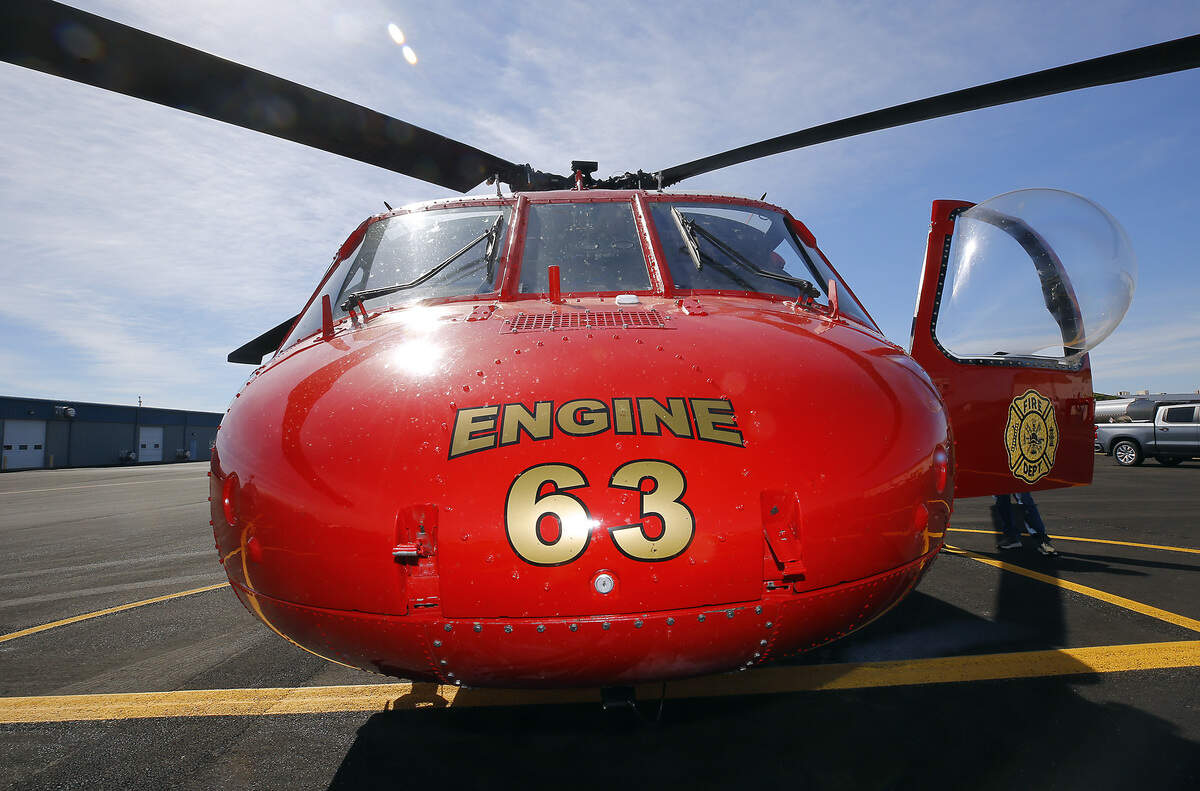
Northwest Helicopters, based in Olympia, flew similar missions for the state of Washington with two Black Hawk helicopters.
Dauntless has a seasonal contract with the federal government and dispatches aircraft where they’re needed.
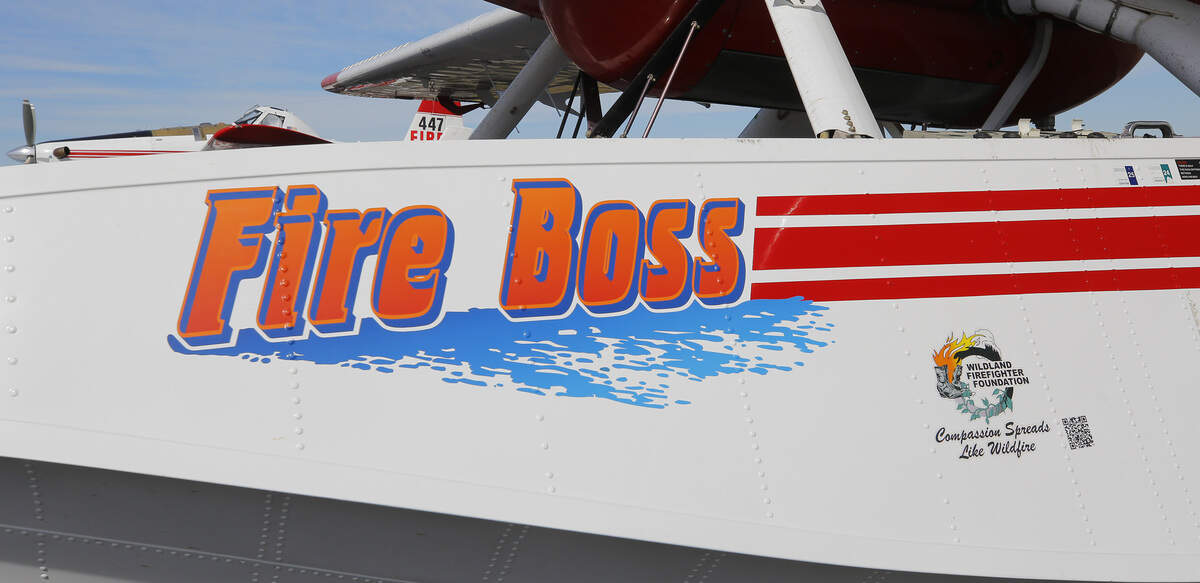
It has planes in Richland, Spokane and Alaska. It flies single-seat Air Tractors, a pontoon plane customized to scoop water from lakes and rivers.
Pilots fill the 800-gallon hopper by skimming the surface of lakes or rivers, forcing the water through a four-inch hole in the belly into the tank in front of the pilot. It takes 8 to 12 seconds to fill up.
Cockpit controls let the pilot control the release of water and any retardants needed.

Planes are controlled by a special air attack unit, an airborne command center that calls in water drops and controls airspace around fires, which is closed to other aviation.
The planes have a range of about 400 miles out and typically fly three-hour fuel cycles, pilots said.
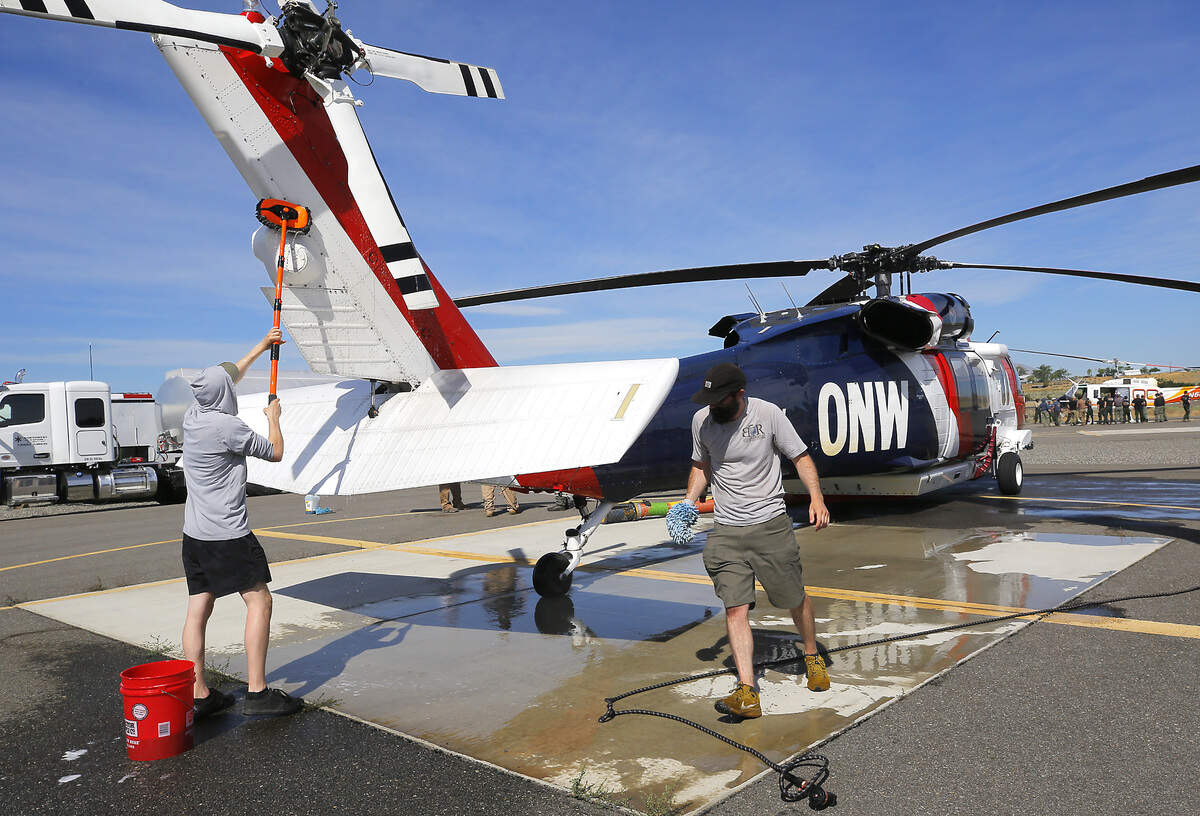
Northwest Helicopters’ Black Hawks require two pilots. The retired military aircraft hover over lakes and rivers, where they drop a pump into the water to fill their 1,000-gallon tanks.
The helicopter crew was using the Richland Airport but can set up command centers just about anywhere that gives enough space to lift off and station fuel trucks and support vehicles.
The crew is completely mobile, able to move locations in a moment.
Fire updates
While Monday was a busy day, the Juniper Dunes Fire continues to burn while the Twin Sisters Fire is largely contained. Both began June 13 and both primarily burned brush and grass.
Juniper Dunes has burned more than 13,000 acres while Twin Sisters burned about 8,200 acres.
Support firefighters via the Wildland Firefighters Foundation and the U.S. Hotshots Association.