E. WA lawmakers fight for right to food trucks at breweries, venues hurt by ‘sprawl’ ruling
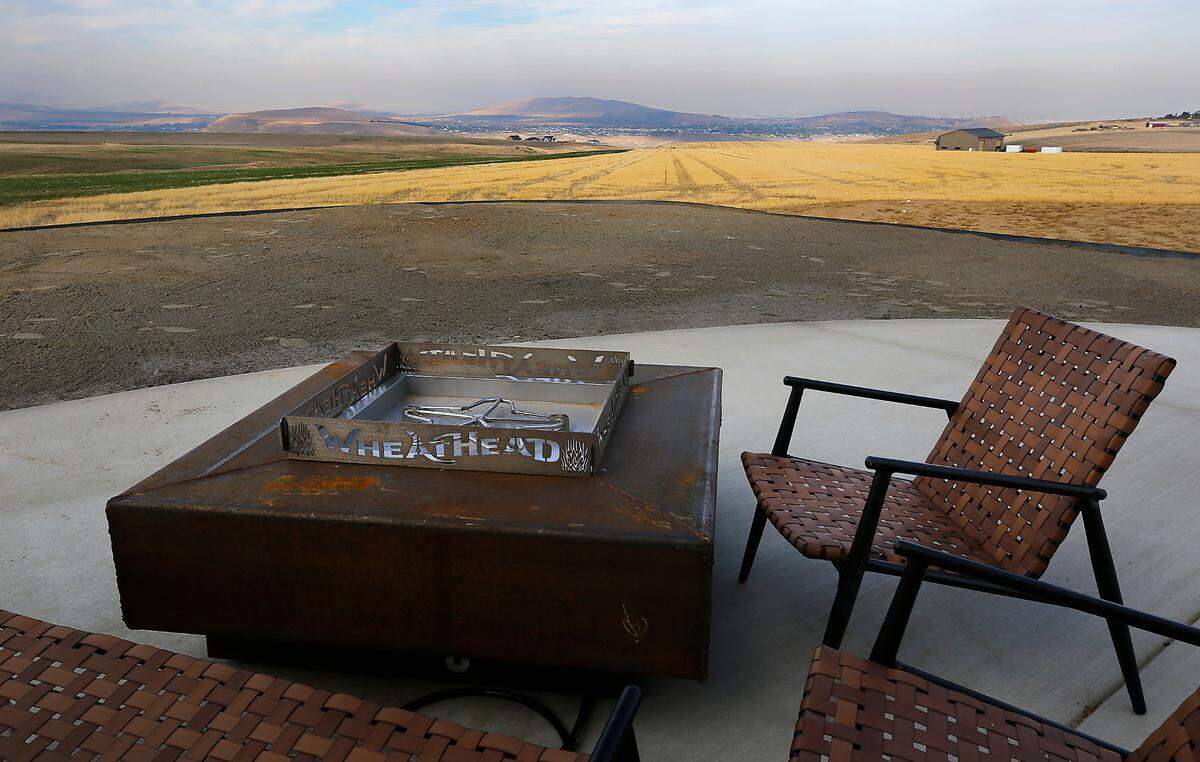
Wheat Head Brewing Co. is at nearly the same elevation as the summit of Badger Mountain, offering a sweeping view of the Horse Heaven Hills and the agricultural land that has long been the lifeblood of the Columbia Basin.
Its location, over expansive fields of golden wheat, offers a unique experience that can’t be found anywhere else. But after a recent Washington state Supreme Court decision, their business and others like it could be in jeopardy.
Lawmakers are hoping a new agritourism bill could save the Tri-Cities area brewery and other venues that have recently been barred from serving food or bringing in food trucks, following a ruling related to the Growth Management Act.
Last fall Futurewise successfully petitioned the state’s highest court to stop what it described as violations of the state’s Growth Management Act through the “urban sprawl” of businesses opening in rural, agricultural areas to get around more stringent and costly city building codes.
The lawsuit targeted businesses selling food that wasn’t made directly from a product grown on the property.
The result was businesses like Wheat Head Brewing Co. suddenly being told they could no longer have food trucks. The ruling is broad enough that it could also impact wineries and even wedding catering at scenic event venues.
But it looks like Eastern Washington lawmakers are facing an uphill battle to move new protections into law.
For many farmers in Eastern Washington, agritourism can be a key factor in keeping their farm alive at a time when the costs associated with growing continues to skyrocket.
No more food trucks
The Growth Management Hearings Board compared wine tastings as an agricultural experience to saying “consuming a hamburger at a fast-food tasting room is an agriculturally-related experience if some portion of the meat, lettuce, tomato or other ingredient is produced onsite.”
Washington’s Supreme Court agreed.
That broad of an order could bar not just food trucks, but a wide number of uses on agriculturally zoned land across the state.
For now Benton County has issued conditional use permits for Wheat Head and other businesses that have come forward with concerns, but it’s only a temporary solution.
Businesses like Wheat Head try to create an experience for customers, with their products being made from hops or vineyards on site.
“We recognize the critical role that businesses play in fostering economic development and community well-being within our region,” Benton County Commissioner Jerome Delvin said in a release.
“As such, we are dedicated to implementing strategies and initiatives that not only facilitate the growth and success of local businesses but also strictly adhere to all state and local regulations.”
A petition for help posted by Wheat Head was signed by nearly 6,000 people before being paused. The brewery’s owners declined to be interviewed about the issue.
“I actively farm in the same zoning classification that (Wheat Head) is in, and support their desire to continue to work with food vendors,” Garrett from Prosser wrote on the online petition. “There is zero negative impact to the adjoining farmland or farm operations from this. There are no benefits to preventing food from be served at a place that serves alcohol. This protects neither the land, the business nor the patrons. This is a common sense ask and should be supported by elected, zoning and code enforcement officials.”
The county is working with lawmakers to change state zoning statutes to allow for “agritourism” businesses.
A bipartisan bill co-sponsored by Sen. Perry Dozier of Walla Walla and Sen. Judy Warnick of Moses Lake passed the Senate on Tuesday, but lost two of the major components needed to keep these types of businesses running.
Dozier told the Herald in an email that he is hopeful that once it goes through the House, some of that original language can be added back in.
He said signing on to a bill supporting agritourism businesses was an easy call given the strong local industry, constituents in farming and his own experience as a farmer.
“Too many people think their food comes from the grocery store, instead of a farm, so they don’t appreciate our state’s agricultural sector — and by extension the importance of government policies that are supportive of ag,” he said. “Agritourism can help overcome that lack of awareness.”
About the bill
Senate Bill 5055 would create a new “agritourism zone” in the state’s land use code.
Without the full bill, businesses relying on agritourism may still be in danger.
Dozier believes the bill would have died completely had two key portions not been taken out.
“(Futurewise) will tell you our state is in danger of losing farmland to sprawl… but if agritourism is the difference between a farm surviving or being sold — for non-agricultural purposes — wouldn’t Futurewise want to support agritourism?”
The original bill defined agritourism activities as those that “generate supplemental income for farms by connecting their resources and products with visitors. Such activities may include direct sales, educational activities, entertainment, seasonal outdoor activities, and hospitality.
It would have also allowed activities that promote agriculture and rural character within agricultural zones and are related to the on-site agriculture.
It would have also allowed counties to permit agritourism after consultation with neighboring landowners and after creating criteria regarding adequate water, septic, and parking as well as curfews and seasons of use to avoid disturbing the peace and quiet enjoyment of neighbors and interference with neighboring agriculture.
The bill lost those portions and what remains is an exception to building codes for venues that are in use six months of the year or less.
Dozier is hopeful that Warnick, who is the bill’s prime sponsor, will be able to convince their colleagues in the house that portions of the bill that promote tourism are essential.
He said Futurewise testified against the bill, claiming it would “drive people out to taverns and bars in these areas.”
“I don’t think a corn maze qualifies as a tavern just because it serves beer and wine,” he said. “And I also question whether the (code) would permit someone to turn a pole barn into a cocktail bar for the summer.”
This story was originally published March 7, 2025 at 5:00 AM.