
Egg-onomics. Tempted to raise your own chickens to save on a dozen? Think again
Chicks are always a hot commodity in the spring at farm and feed stores.
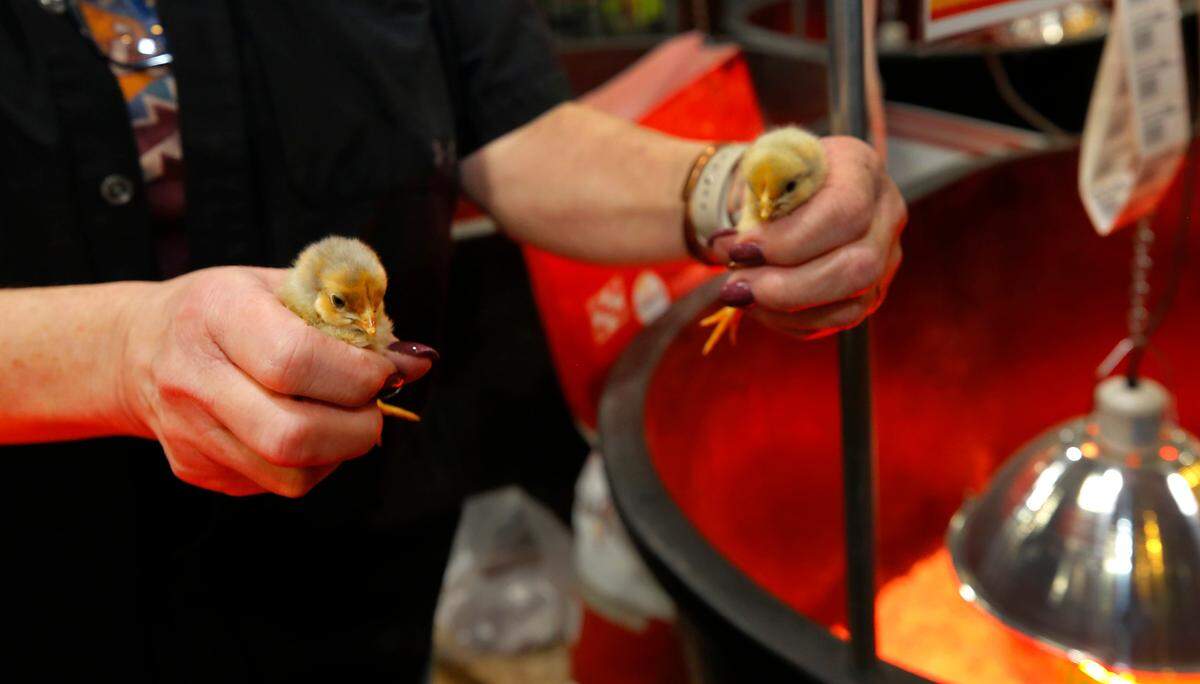
So when a batch of young chickens arrived at Ranch and Home in the Tri-Cities on Friday, word got out and customers lined up. Owner Bill Dress’s advice was simple: Get here fast.
Ranch and Home anticipated high demand this year and upped its chick orders. A shortage means it’s getting perhaps a third to half of the chicks it orders.
He isn’t happy to see customers wait in line, but he said people have been patient and understanding of the situation.
“We’re calling every supplier we know. We’re calling in all favors,” he said. He said egg prices are just one reason for the increased interest in backyard chickens.
“There’s more and more things people are doing to be self sustaining,” he said. “It’s a great hobby. People learn a lot and appreciate the food they grow themselves.”
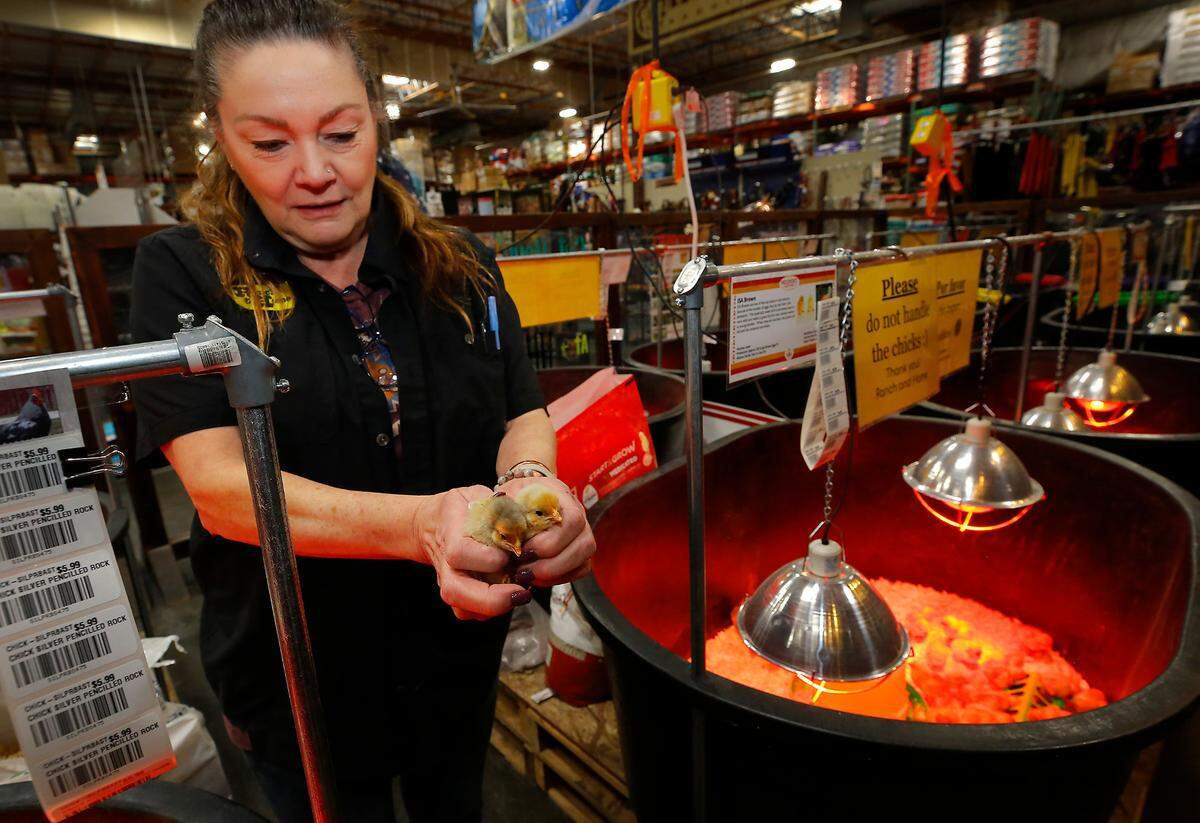
It’s a similar story at Wilcox Farm Store in Pasco, where chicks sell out in a matter of hours on a first-come, first-served basis.
Basin Farm and Feed in Kennewick said it will begin selling chicks in mid-March, when they can be shipped via heated truck.
Avian flu behind shortages
The ongoing avian flu outbreak has forced the slaughter of more than 147 million birds, including at a large egg production facility in Franklin County, creating a critical egg shortage that shows little sign of abating in the near future.
The U.S. Department of Agriculture announced a $1 billion suite of efforts to restore balance, including more imports. That said, the government warned that egg prices , already 54% higher than a year ago, could rise a further 41% in 2025.
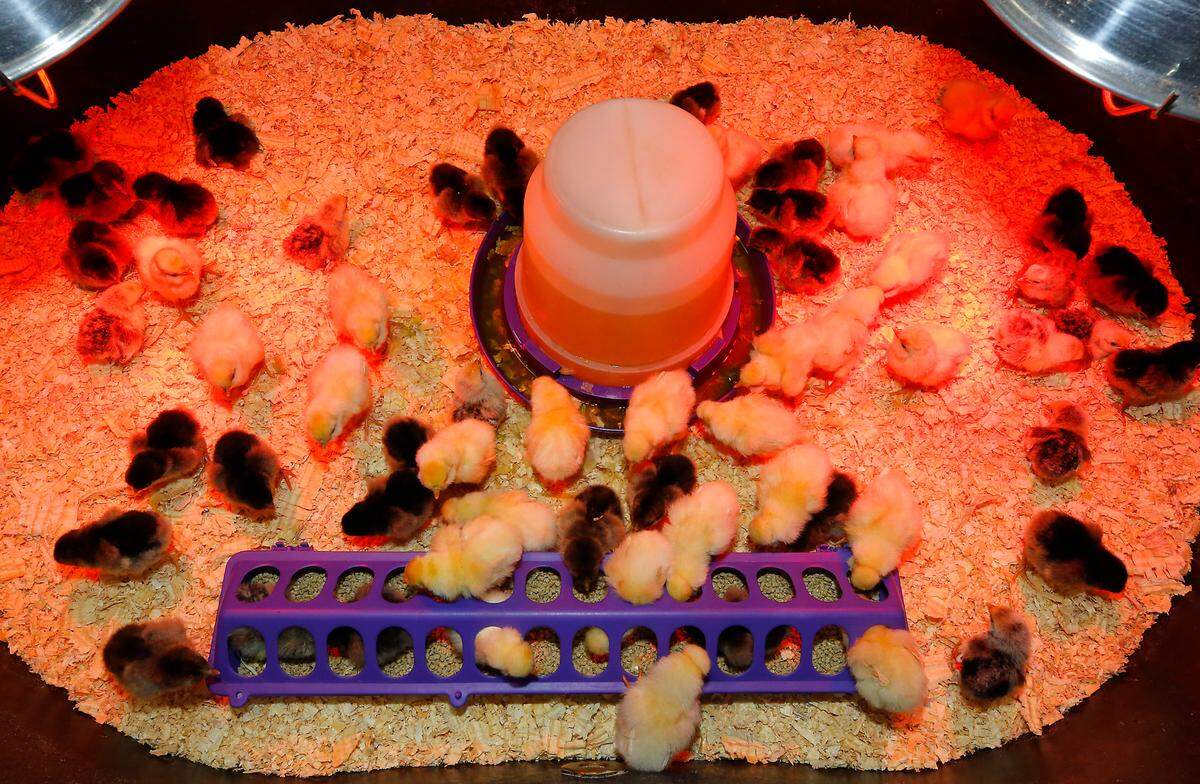
Tri-Citians are largely free to raise a limited number of chickens in their backyards. Kennewick, Pasco, Richland and West Richland treat hens as pets in city codes.
Roosters are prohibited in Kennewick, Pasco and Richland and discouraged in West Richland.
Legalities aside, there are lots of good reasons to keep chickens beyond the current cost of eggs. They can be engaging pets and owners control what they ingest and by extension, the quality of the eggs they produce.
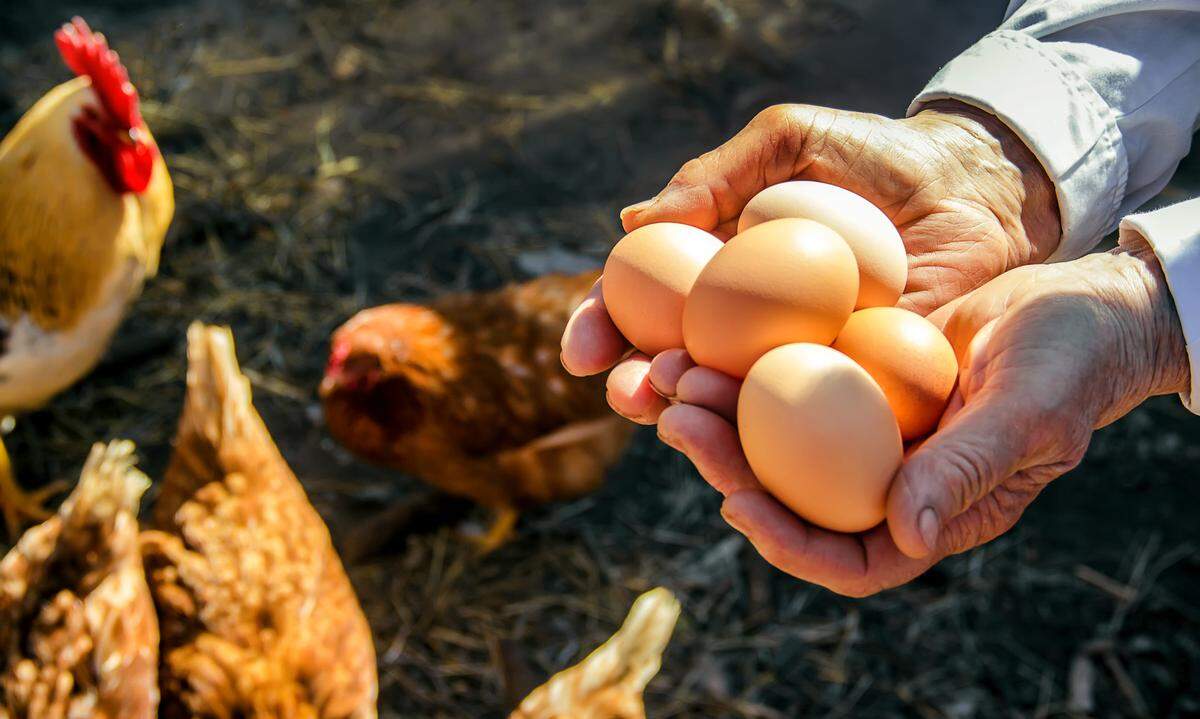
Eggs from a backyard coup are not a money-saving proposition however.
Between the cost to buy chicks or egg-laying hens, coops, feed and veterinarian care, the cost is likely much higher than the $8 a dozen peak earlier this week.
Still interested?
What’s allowed in Tri-Cities
- Kennewick allows up to three chickens in most residential neighborhoods. As with other pets, the animals must be maintained to prevent noise, smell or other nuisances.
- Pasco allows up to six animals on residential properties, with no more than three of any particular type. Animals are defined as dogs, cats, rabbits and hens.
- Richland allows up to five pets pets per home, with pets defined as dogs, cats, rabbits, chickens, ducks, geese, pigeons or similar domestic animals.
- West Richland allows two to five “small domestic animals” per home, depending on the zoning district. Roosters are discouraged but owners could be subject to penalties if they violate smell, noise or similar codes.
Anyone considering starting a backyard flock should consult their city and if they live in a community governed by a homeowner’s association, consult their bylaws, covenants, codes and restrictions.
Startup costs
Alliant Credit Union, based in Chicago, offers an eye-opening look at the cost of raising backyard chickens in a Feb. 12 report, “Egg-onomics,” available here.
The bottom line: Raising chickens to keep fresh eggs on hand is more expensive than a run to the grocery store, even at today’s prices.
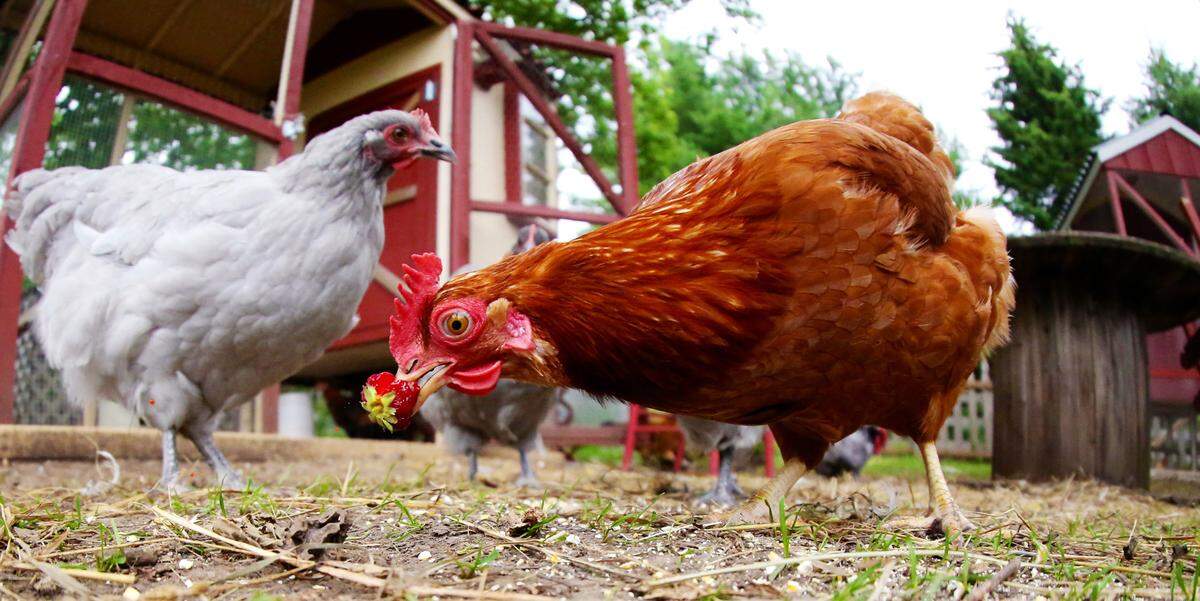
Expect to spend about $590 to set up a coop, buy egg-laying hens and buy feed, straw and other equipment.
Chickens are social, so two is the minimum number needed. Hens take 24-26 hours to produce an egg and may not produce one every day.
A typical egg-laying hen produces 300 per year, according to United Egg Producers, a national industry association so don’t expect a daily egg out of each bird.
Alliant estimates ongoing costs at $20 a month for feed and $10 for miscellaneous expenses. Vet bills will drive that higher.
For those who love the idea of owning chickens and the idea of taking care of them, the cost may be worth it. Selling extra eggs to friends and neighbors could bring down out-of-pocket expenses, the credit union said.
But people who think raising chickens will curb their grocery bills should reconsider.
“If you don’t really need eggs and are just trying to save a few bucks, then the cost, time commitment and space that they will take up in your yard probably aren’t worth it,” the report concluded.
Health warning: No kissing, snuggling
Municipal codes treat chickens as pets, but the Washington Department of Health notes they carry salmonella, avian influenza, E. coli and other germs that spread serious diseases even among healthy people.
It advises anyone who handles poultry to wash their hands frequently and to avoid touching eyes, nose, mouth and face after handling birds or related equipment.
The state health department advises against kissing and snuggling chickens. Children younger than 5 should not contact chicks or chickens at all since they are particularly vulnerable to bird-borne illnesses.
This story was originally published February 28, 2025 at 12:00 PM.