
Ending on a rebound. 3 Tri-Cities housing market trends heading into the new year
Tri-Citians aiming to put a roof over their heads had more to choose from in 2024, but bargains were hard to come by.
As 2024 clocks out, the Tri-Cities housing market is ending on a rebound after slowing in 2023 amid rising interest rates.
The same trends that drove the residential real estate market apply as well to rentals: More jobs means more people coming into an already-constrained market.
The result: Rising home prices and asking rents.
As the New Year approaches, real estate executives and commercial brokers expect demand for both kinds of housing to stay strong.
“We’re looking at a continued upswing in the market, only hindered by inventory. We’ll try and write as many contracts as we can,” said Dennis Gisi, owner of John L. Scott Real Estate’s Columbia Basin offices.
1. Residential buying and selling rebound
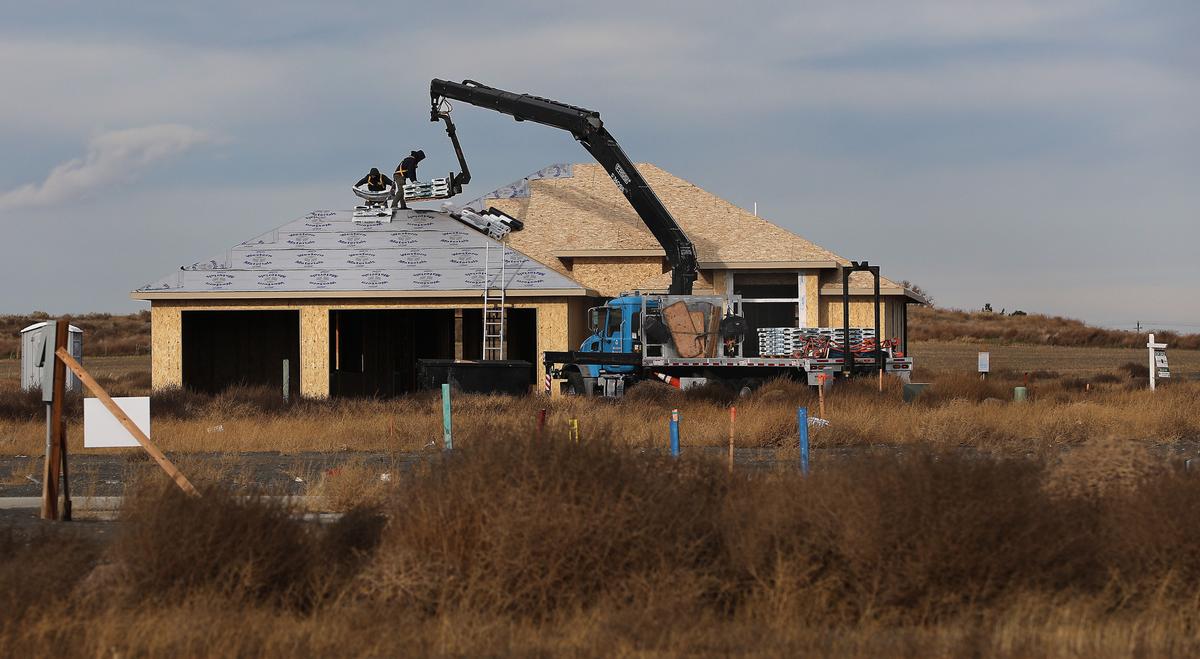
2024 recorded more sales, more inventory and bigger prices through November relative to 2023, according to the Tri-Cities Association of Realtor’s year-to-date figures released in November.
The trend echoes the Federal Reserve’s move to increase the prime rate to combat inflation.
The rate for a traditional 30-year mortgage rose from below 4% in 2022 to more than 7% in 2023. Fixed-rate mortgage rate hovered around 7% in 2024, eroding buying power and pricing some buyers out of the market.
The 2024 housing market had something for both sellers and buyers, said Dave Retter, responsible broker and owner of Retter & Co. | Sotheby’s International Realty in Kennewick, the region’s largest residential real estate firm.
There were about 800 homes listed for sale in November, double the number available in the pandemic-induced buying frenzy of the COVID-19 era. But 800 isn’t enough for a community of 320,000.
There should be 1,200 or probably more to meet demand.
Sellers had to wait longer for offers with the average home taking 51 days to sell in November compared to 38 in 2022.
Prices were strong, or, from a buyer’s point of view, a challenge.
The average price for Tri-Cities homes that sold in November was $482,200.
That’s 3% more than the same month in 2023.
2. Apartment construction boom ending
Home prices aren’t the only thing climbing.
Renting an apartment continues to get more expensive.
The average asking rent in the Tri-Cities grew by 3.3% in 2024, according to CoStar’s Multifamily Report, prepared for TMG, a Vancouver property development and management firm with offices in the Tri-Cities.
That’s well ahead of the national average of 1% and of inflation, which stood at 2.7% inflation rate through November.
It is, however, a relief from the 12% hikes recorded in 2021.
The average asking rent ranged from about $1,200 a month for older properties with fewer amenities to $1,700 for newer ones with more.
New supply helped bring supply into balance with demand, with the vacancy rate standing at about 5% when newly open complexes are excluded.
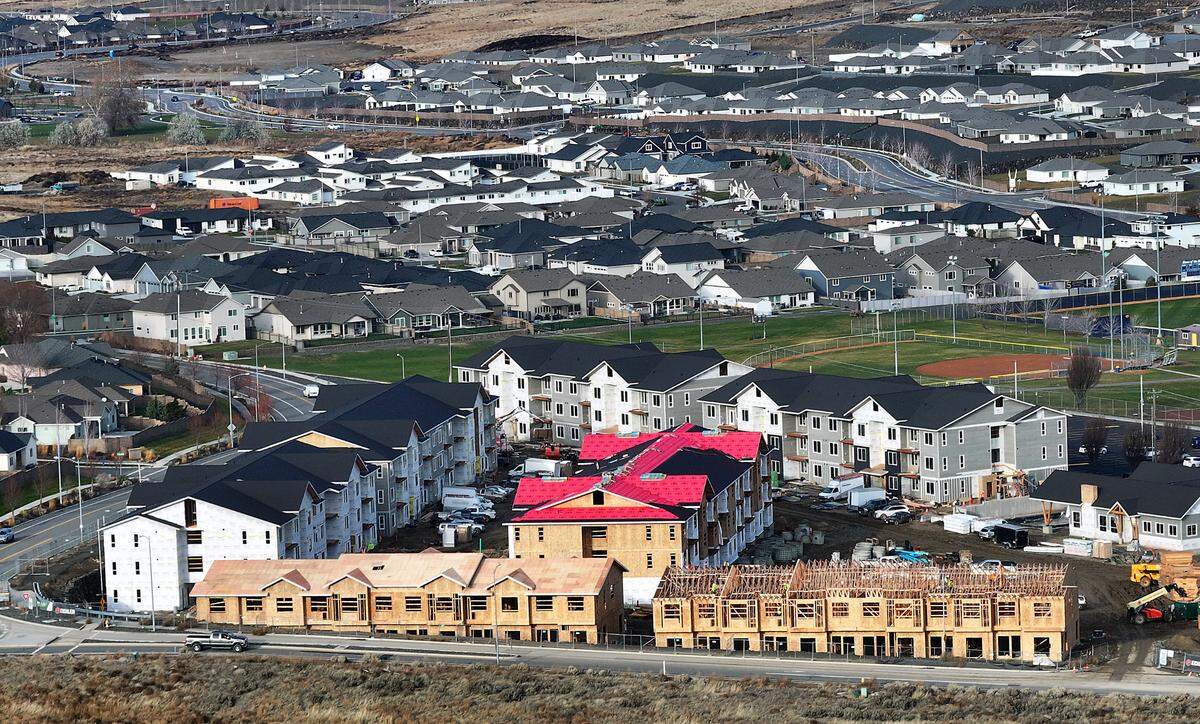
Developers added 1,000 new units in the Tri-Cities in 2024, capping a wave that added 2,600 in recent years.
The market stood at about 14,500 units. Construction is easing, with fewer than 400 new units expected in 2025.
3. Job growth drives construction
Retter said November’s presidential election and the pending handoff between a Democratic administration and a Republican one injected uncertainty in the market in the fall.
“People don’t like uncertainty,” he said.
While the political climate remains unclear, the Tri-Cities is adding new employers and jobs.
Amazon Inc. has hired about 2,000 people since it opened a package hub in Pasco last summer. It will add even more when it opens its delivery station in early 2025.
Darigold Inc. will debut its new processing plant by mid-2025, adding several hundred jobs to the mix.
Retter and Gisi both are holding onto cautious optimism in the New Year as employers add jobs in the area.
The local unemployment rate stood at 4.3% in October, according to the most recent figures from the Washington Employment Security Department
A series of jaw-dropping announcements could bring billions of dollars and thousands of jobs to the region in coming years.
The potential additions include:
- Atlas Agro, which wants to build a $1.1 billion green fertilizer plant in Richland
- $4.5 billion nuclear fuel project proposed at former Hanford land in Richland
- $3 billion modular reactor project at Energy Northwest
- $4.8 billion data center complex at Wallula Gap, east of Pasco
“It’s pretty phenomenal what we have going,” said Retter. “We have the infrastructure to handle this type of activity. We’re finally getting discovered.”
Land developers are responding with a growing list of possible subdivisions that collectively could add 2,500 new home sites across the Mid-Columbia, according to state environmental review documents.
“I’ve got more single-family lots coming on than in the last four years,” Retter said.
Examples include Madison Park North, which would add 460 lots at Burns Road and Road 52 in Pasco, The Bluffs, a 400-parcel subdivision in West Richland, and Urban Trails, a 152-acre mixed-housing development planned in the Desert Hills area of Kennewick. The city is reviewing the project’s first 54-lot subdivision.
This story was originally published December 27, 2024 at 5:00 AM.