Fred Meyer workers shaken by deadly Tri-Cities shooting ready to finalize 1st contract
READ MORE
Richland Fred Meyer shooting
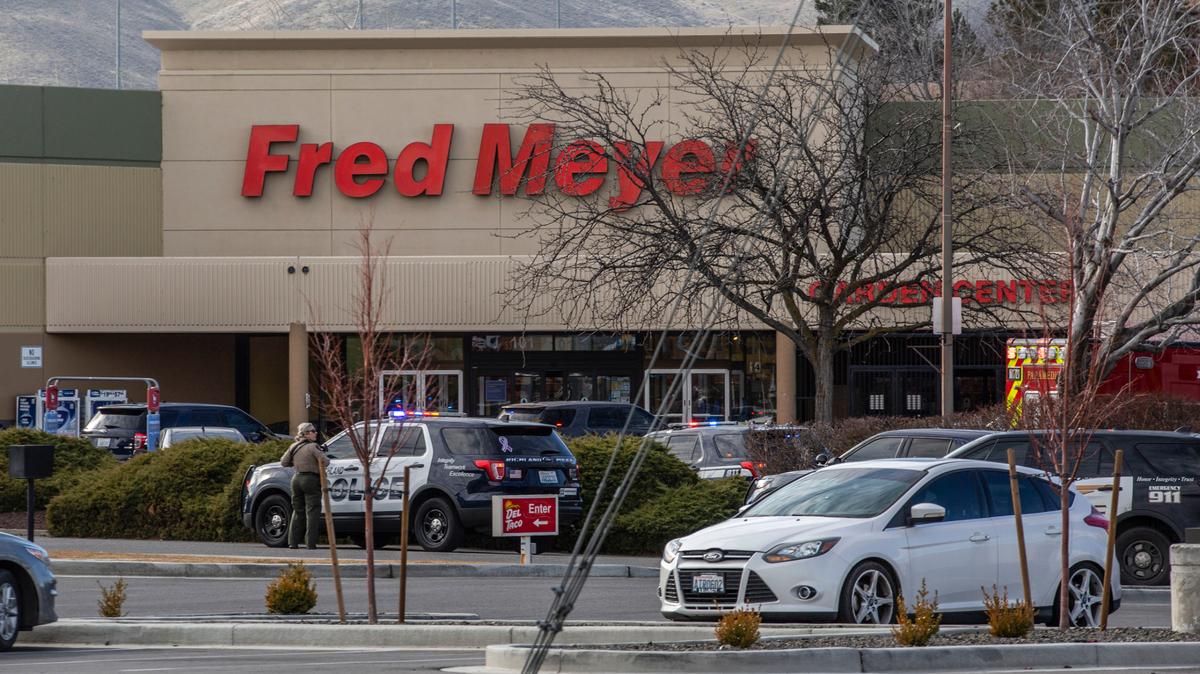
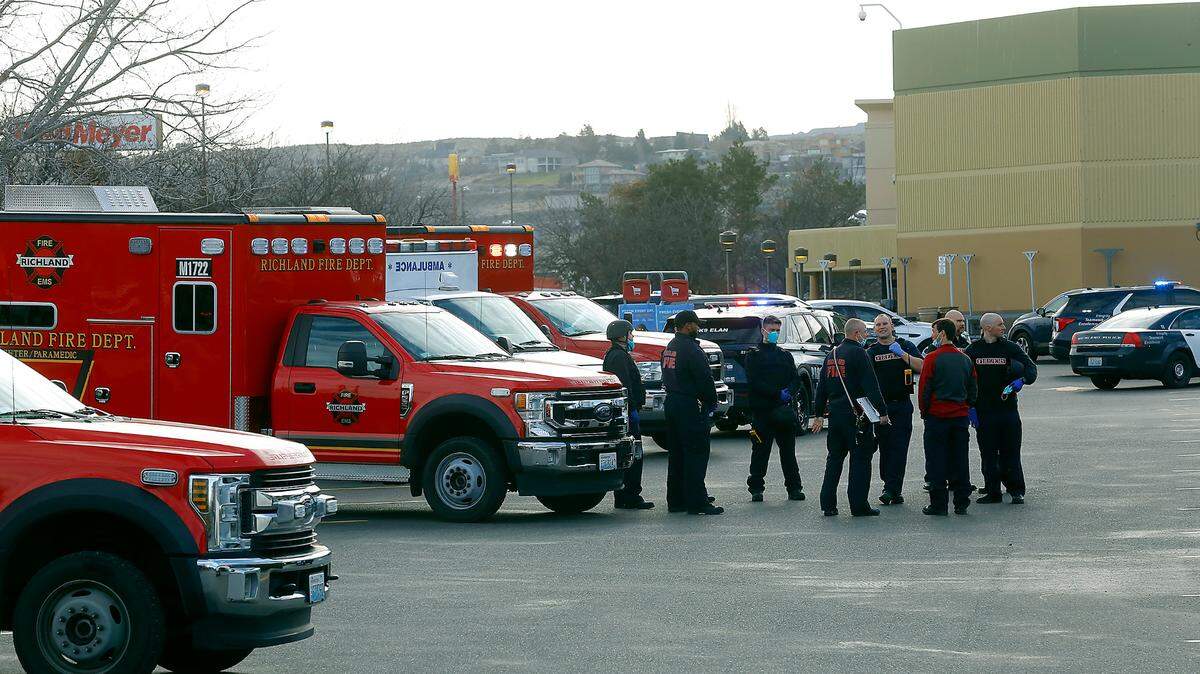
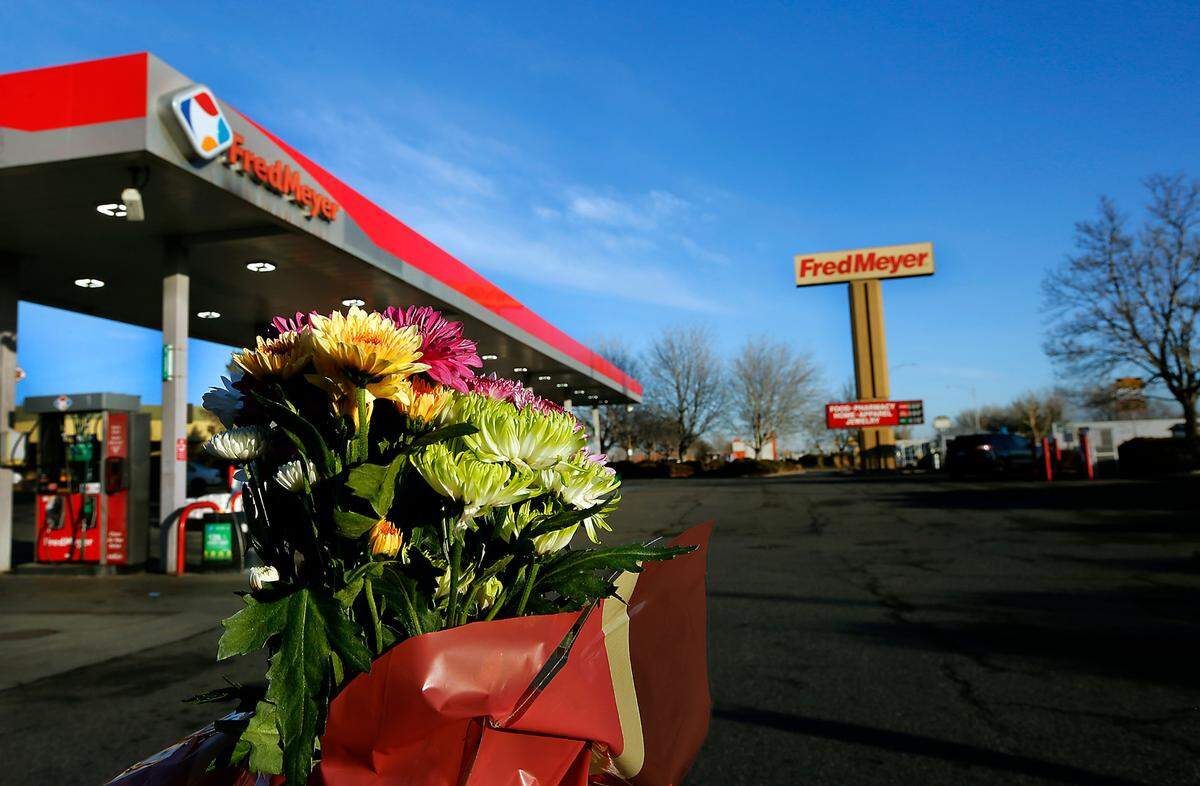
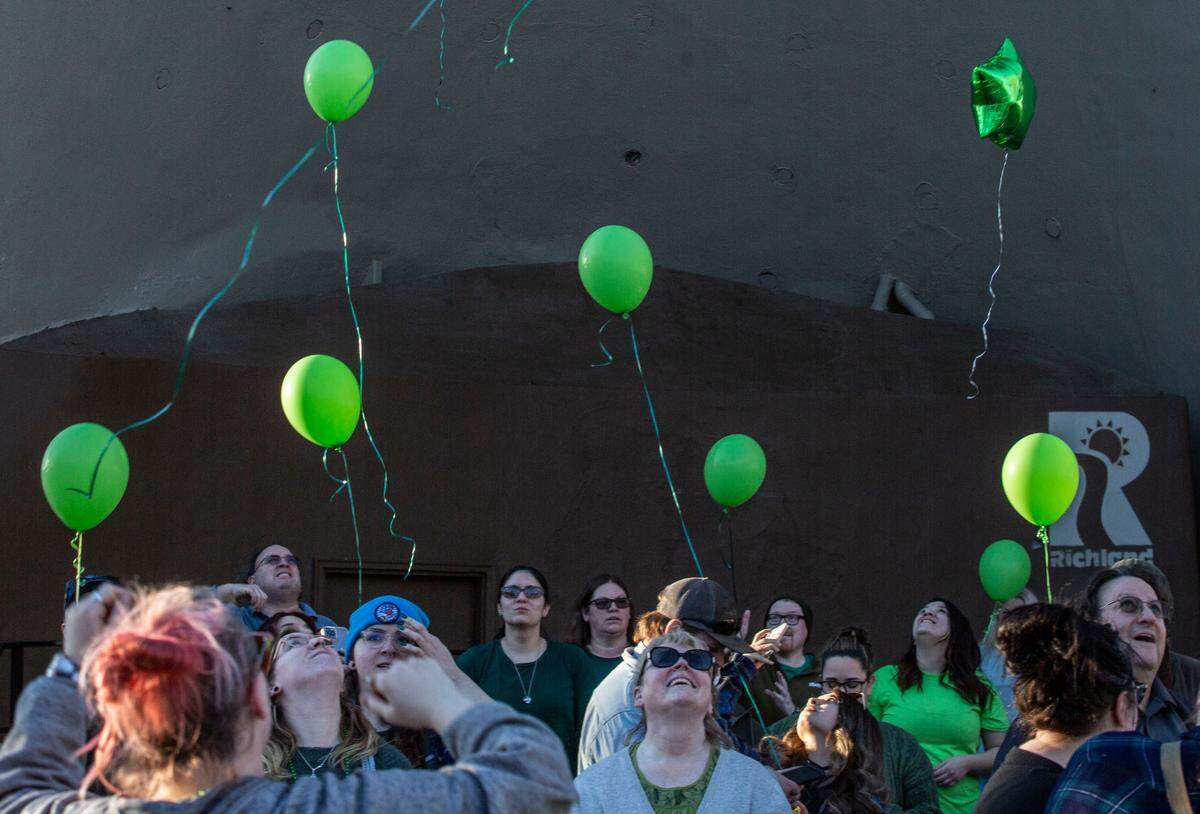
A shooting at a Richland Fred Meyer store on Feb. 7, 2022, left an Instacart worker dead and a store employee in critical condition. Stick with the Tri-City Herald as we report the latest in this developing story.
Expand All
Richland Fred Meyer workers have unionized in a bid to win better wages and safer workplace conditions after a February shooting punctuated the importance of their fight.
Their first contract is set to be voted on this week, according to a news release from the union.
Just weeks after the store voted to start the unionization process, a February shooting left one employee seriously wounded and killed an InstaCart shopper.
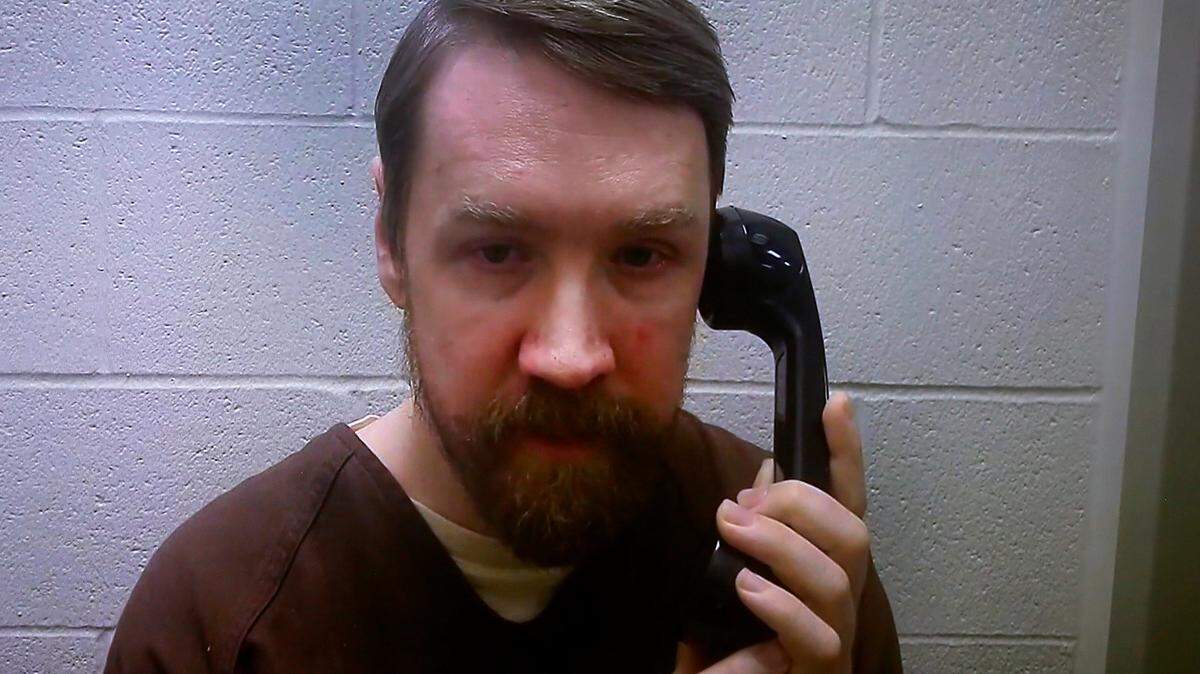
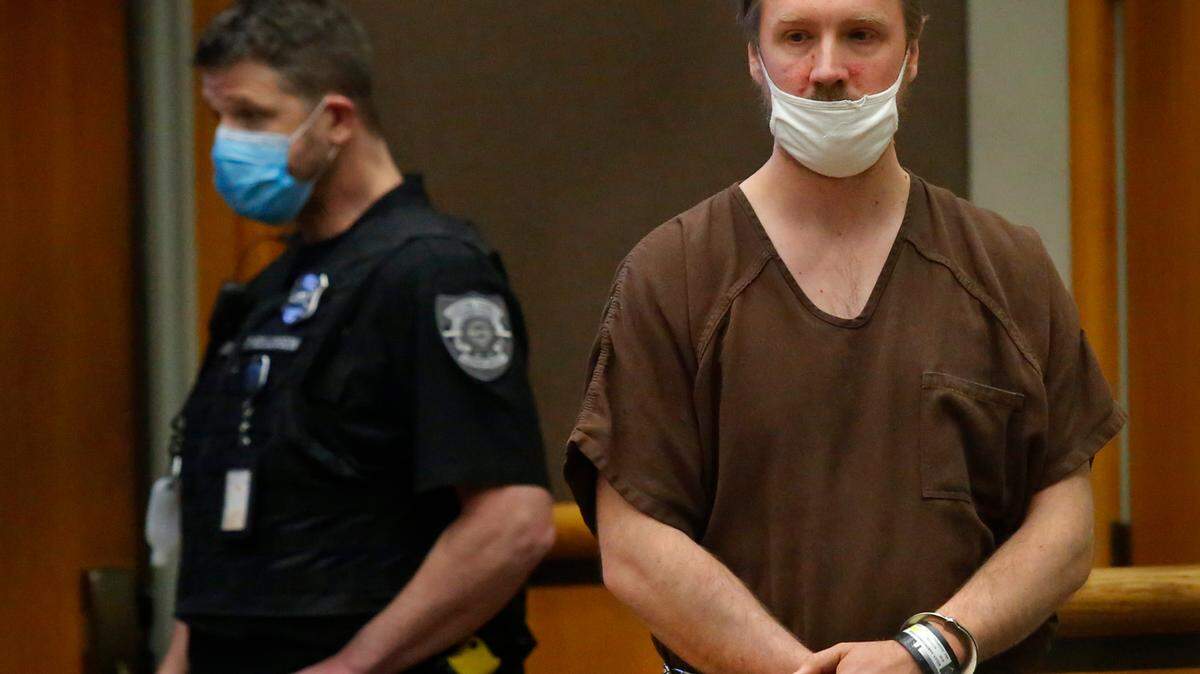
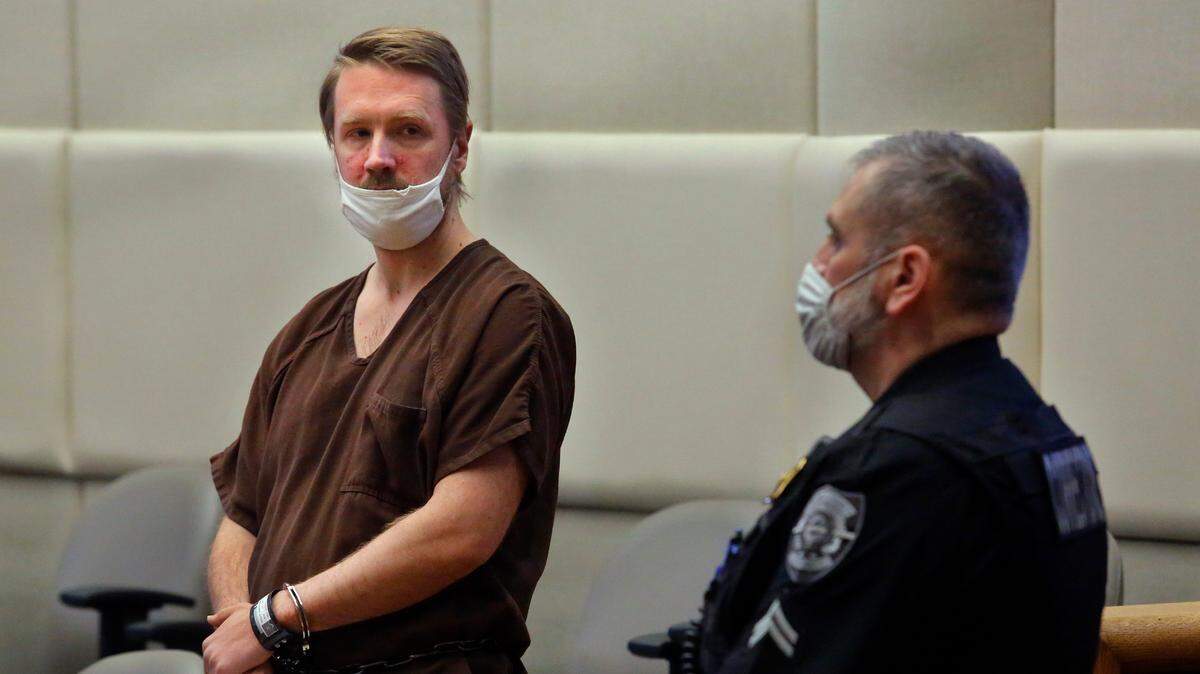
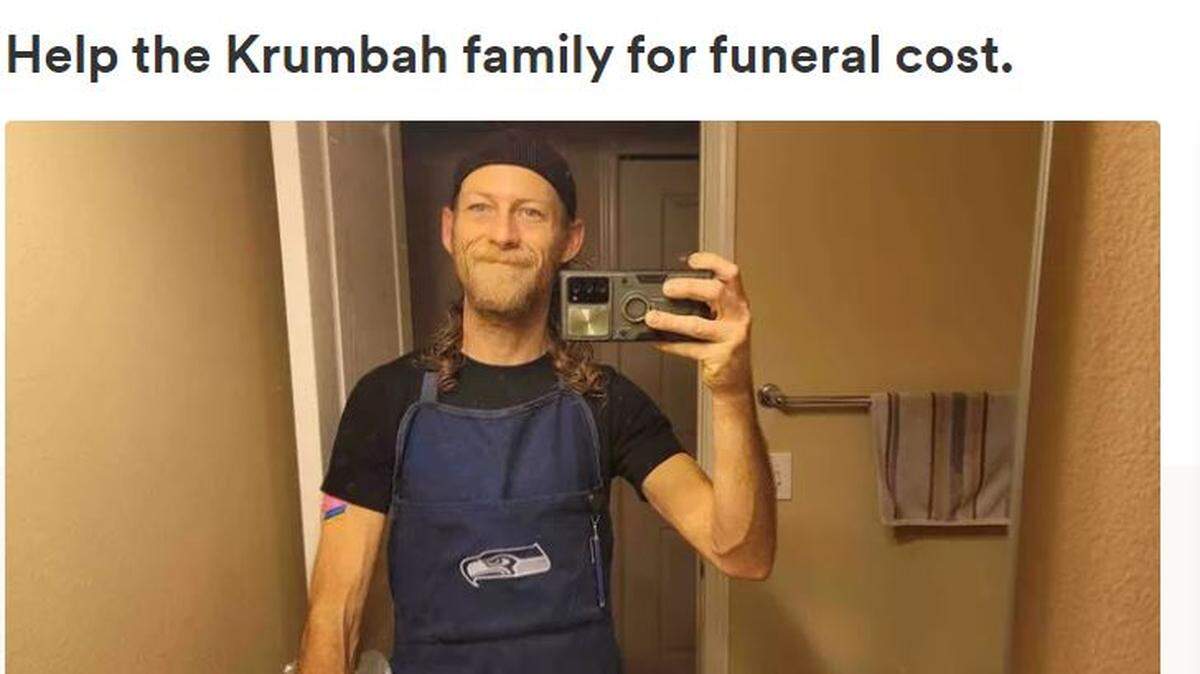
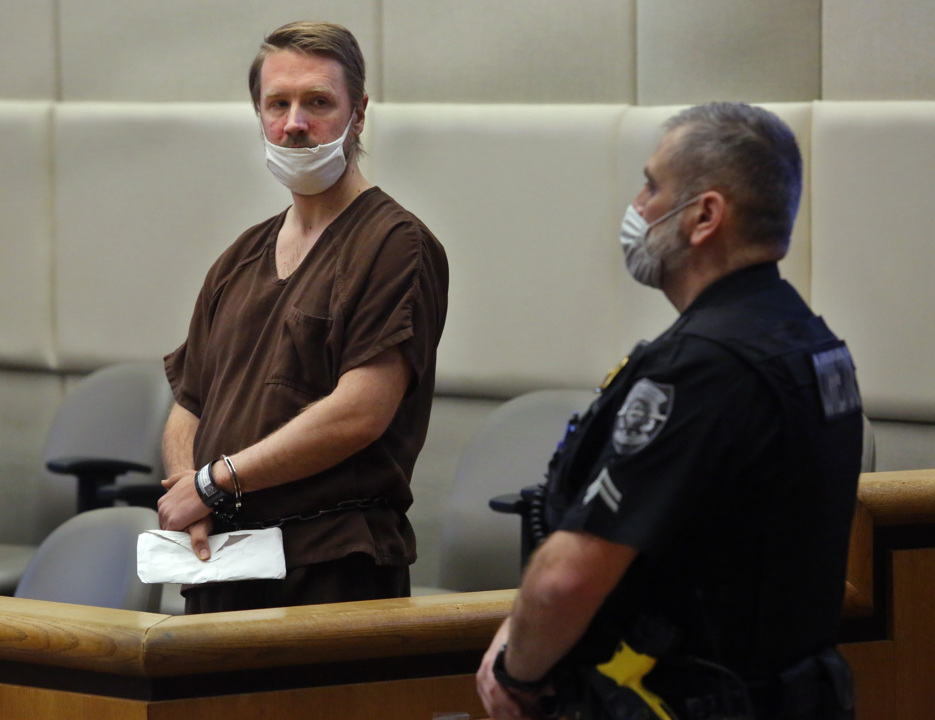
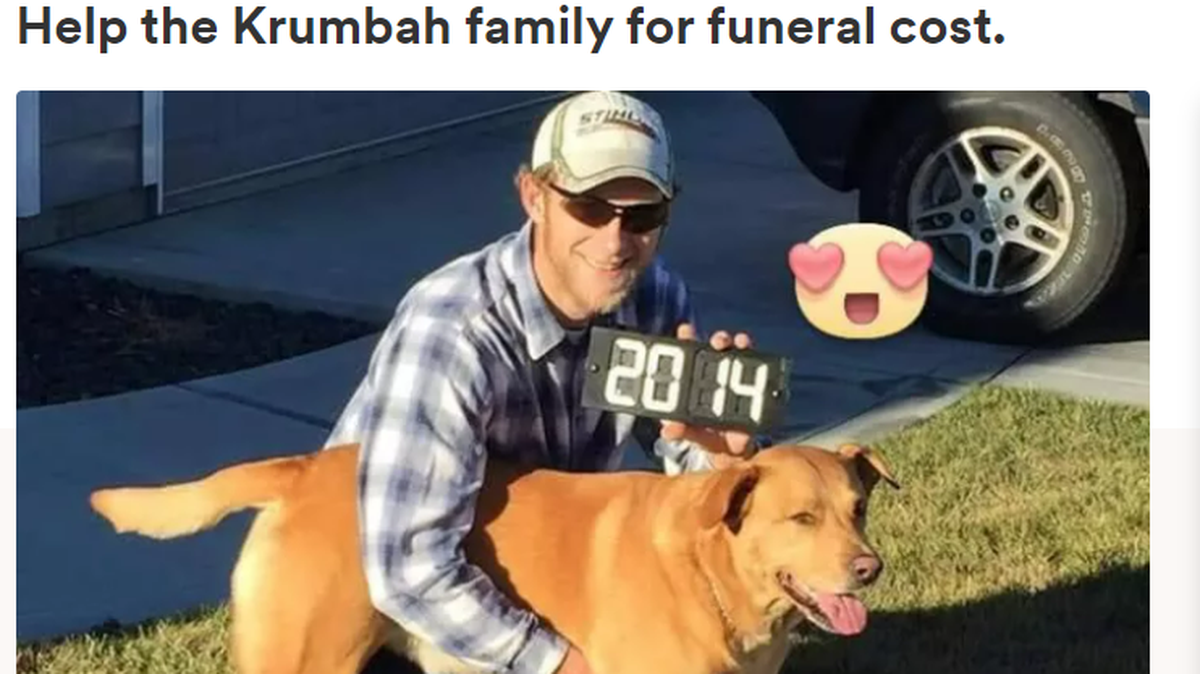
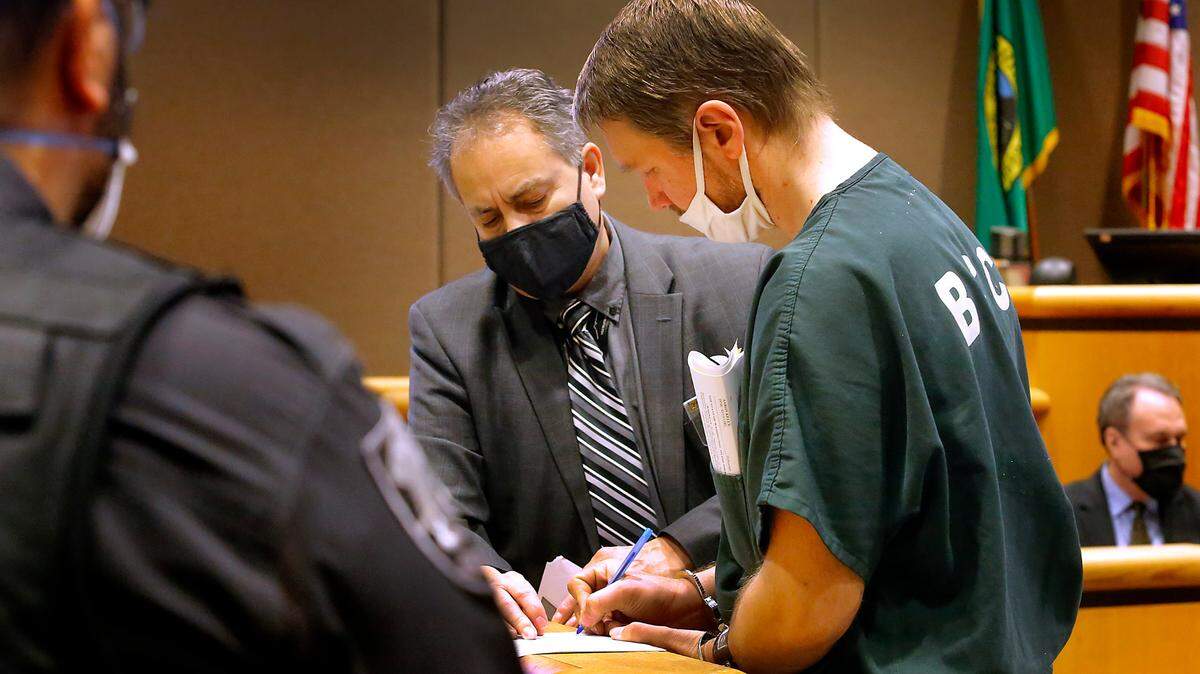
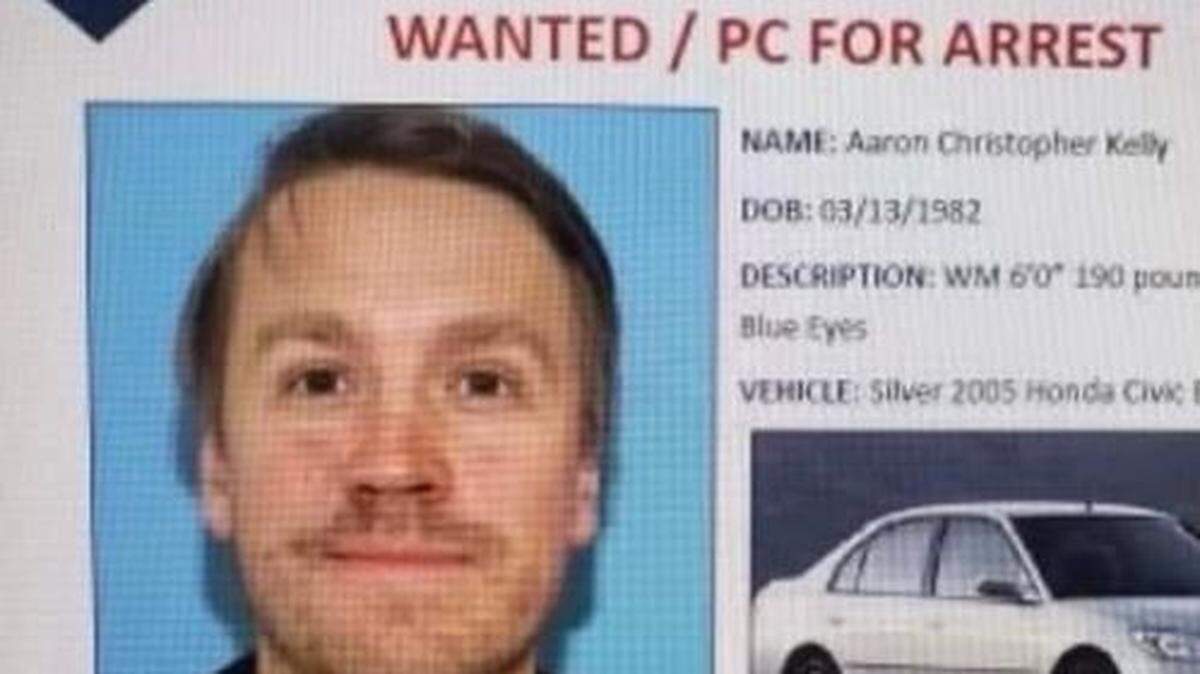
Aaron Christopher Kelly, 40, is accused of entering the store Feb. 7 and shooting employee Mark A. Hill and InstaCart worker Justin Krumbah, who died from his injuries.
Kelly is currently being held at Eastern State Hospital. A Tri-Cities judge found he is not yet able to stand trial and was ordered to take an anti-psychotic drug for unspecified schizophrenia or other psychotic disorder.
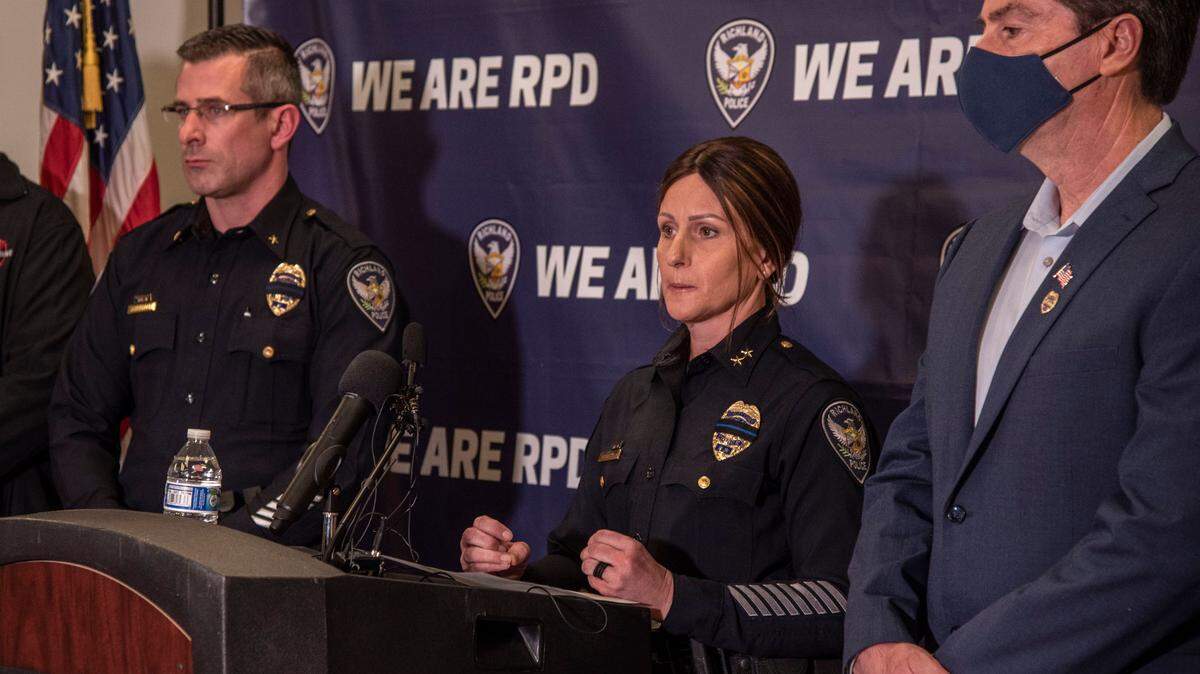
A Fred Meyer spokesperson told the Herald that the safety of employees and customers is their top priority, and that they will continue to advocate for employees and focus efforts on running safe and friendly stores.
“We respect our associates right to choose what’s best for them. At Fred Meyer we are committed to continuing to provide a total compensation package that rewards our associates, provides industry leading healthcare and a retirement plan for their future.”
Shooting fallout
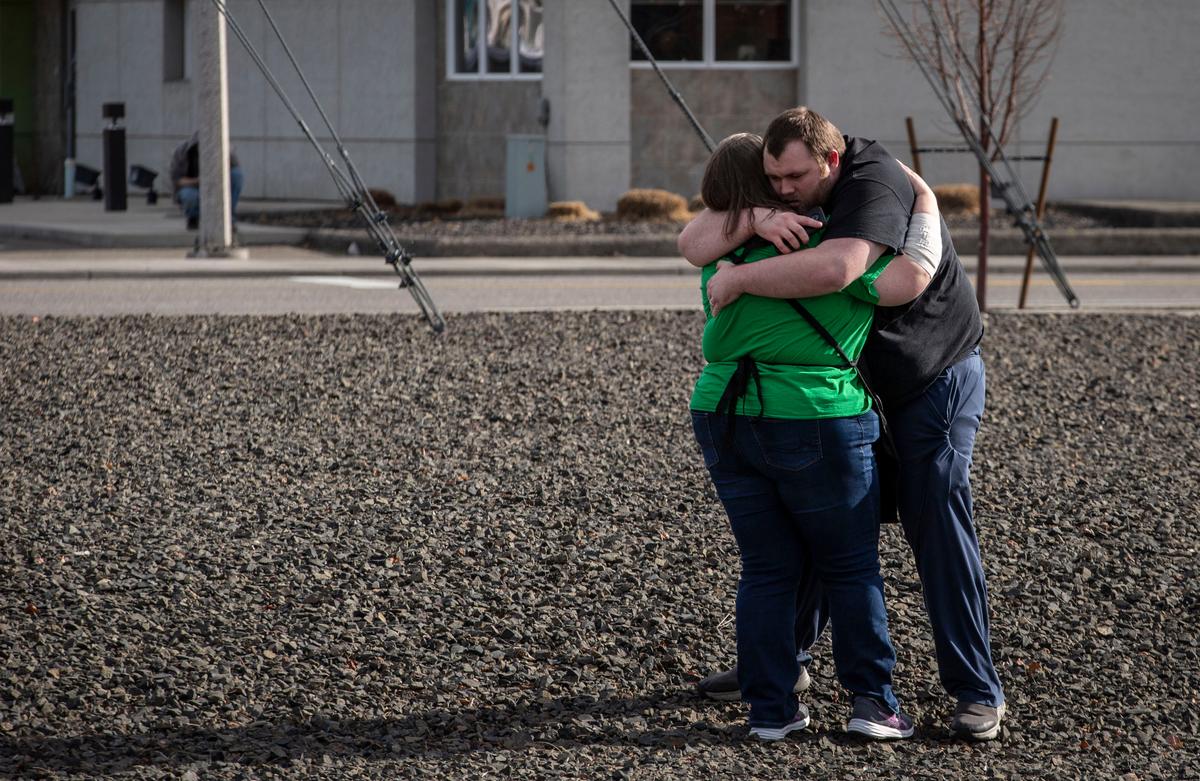
Shoe department employee Melissa Lozano told the Herald that it was hard to return to work after the shooting.
“I took a leave of absence because the shooting felt like someone came into my home and killed someone,” she said. “I ended up taking the full (Family and Medical Leave Act) 12-week leave of absence, then I had to work on exposure therapy. I couldn’t even drive through the parking lot without having a panic attack or fearing for my safety.”
Lozano said that the store’s efforts to halt the union prior to the shooting left her feeling wary of any assistance they offered. She wasn’t sure if she could trust resources Fred Meyer was offering, or if it would be used against her later.
Already, she said she felt that long, interrogating meetings with managers added an extra layer of anxiety about going back to work.
“I sought counseling resources privately, because I didn’t trust what Fred Meyer offered,” she said. “I had to get used to management again. That feels violating too, I don’t trust them and it makes me not trust resources that they offer. It makes me not trust help.”
She said the anti-union efforts created a feeling of isolation at a time when they should have been able to trust their leaders.
“I think the only reason why they’re doing the right thing after the shooting is because some customers have spoken up and their bottom-line was hit, they want to attract customers back in,” Lozano said.
Efforts to unionize
About 250 of the store’s employees had first voted to start the process of joining the United Food and Commercial Workers Union (UCFW 3000) last December, and this week they are set to approve their first contract.
Produce department worker Christine Coffey said the effort is three years in the making, and represents a win for employees demanding better treatment from Fred Meyer parent company Kroger.
She said that even though they weren’t technically part of the union, their organizer was a huge help after the shooting. They had a second vote just after it happened.
While working retail can sometimes be dangerous, with irate customers being abusive to employees, Coffey said it is liberating to have a say in how the company responds to those challenges and the protections the union offers.
Coffey said that since the February shooting, the company has done much to improve security, but the union contract will guarantee they have an avenue to address concerns.
Having a say could also mean that increased security to protect employees isn’t just a temporary response.
Since the shooting, employees have been more on edge, she said.
“I do think a lot differently when I see someone walking around with a back pack,” she said.
She said that one of the biggest wins at the bargaining table is a guarantee that hours can’t be cut in retaliation, and that employees will get a more livable wage.
“I know a cashier whose hours were cut so much she had to give up custody of her daughter and move into an RV with a roommate,” Coffey said. “Twenty hours a week at $15 per hour, how on earth do you do that? People are struggling.”
She said employees will now also have a say in the handling of everyday incidents when a customer mistreats an employee.
“During the pandemic they weren’t taking returns in apparel, and this person threw a shoe at (a worker’s) head and (Human Resources) said you should have handled it better,” Coffey said. “She’s been there 30 years, she knows how to handle it.”
Coffey said the pandemic was a turning point. While the store was making record revenue, and their CEO pocketed a $22 million bonus, hazard pay was cut for employees.
“The wages have been the biggest thing, the pandemic was the best thing that ever happened to Kroger,” Coffey said. “But we were dying, we were so exhausted.”
They’ve also watched while stores nationwide saw pay increases and better working conditions, since the Richland and Kennewick stores are two of the few in the grocery chain that were not already unionized.
Part of that means that employees will be guaranteed raises that go beyond just being bumped up to the minimum wage as it increases regularly in Washington.
“Once minimum goes up the whole scale goes up,” Lozano said. “We won’t have to worry about being under water.”
Lozano said the union boils down a method for employees to advocate for themselves, and their efforts have helped employees who were on the fence feel empowered.
Coffey said that it has also helped bring their crew together at a time when they needed it the most.
“We’ve all really gotten a lot closer and have a purpose, we talk a lot more, we’re excited. There’s a lot more unity, a lot more support with each other,” Coffey said. “It’s about just being fair with how much corporate makes, they can just do better.”
Coffey said they’ll also be entering into the union’s healthcare insurance, which is a big win because the plans the company offered were too pricey, and few employees could afford to use them.
This story was originally published October 6, 2022 at 12:50 PM.