
Solar company plans to hire 100 more workers and build $5 million Pasco headquarters
At just over 2 years old, Solgen Power of Pasco is planning a major expansion and the addition of 100 jobs.
It will hold a public groundbreaking ceremony at noon Tuesday for a $5.1 million building at 5715 Bedford St., just north of Sandifur Parkway in west Pasco.
It is planned to be entirely solar powered.
The company installs solar systems, primarily for homes, including panels on the rooftop and ground.
The company was founded almost two years ago by Chris Lee, Daryl Kelly and Roby Clyde.
All grew up in the Tri-Cities area — Lee in Connell — and left the area to learn the solar trade.
They moved back to provide reliable and sustainable power for the Tri-Cities area and provide job opportunities here, said Lee, chief executive for Solgen Power.
The company expanded a year ago to offer solar system installation in Chicago, Ill., Cincinnati, Ohio, and Tucson, Ariz., Lee said. From its bases across the nation it provides service in seven states.
“We’re excited for the opportunity to establish our headquarters here in our hometown and the opportunity it will bring our community,” Lee said.
The two-story office building was designed by DKEI Architectural Services of Richland and built by Elite Construction of Pasco.
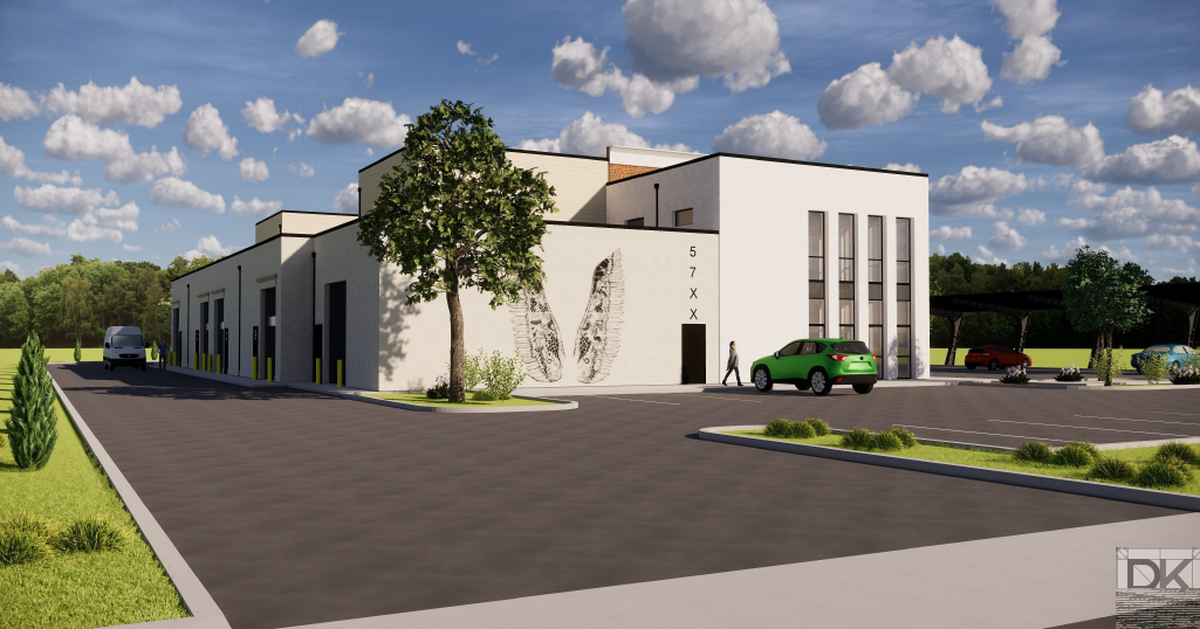
Construction is expected to be completed in the fall.
The company now has space at 5100 Elm road north of Pasco, which they plan to retain.
Hiring planned over 12 months
Solgen expects to use the 17,000 square feet of office space at the center of the building and lease out 3,000 square feet of office space at each end.
The company now employs about 100 people and plans to double that through 2020, Lee said.
Hiring will be for electrical and structural engineering, financing and accounting, sales and marketing, customer service and data support jobs.
Lee attributes the company’s growth to an aggressive business plan and the high demand for residential solar panel installation.
Customers like having their own power source rather than being at the mercy of a utility, he said.
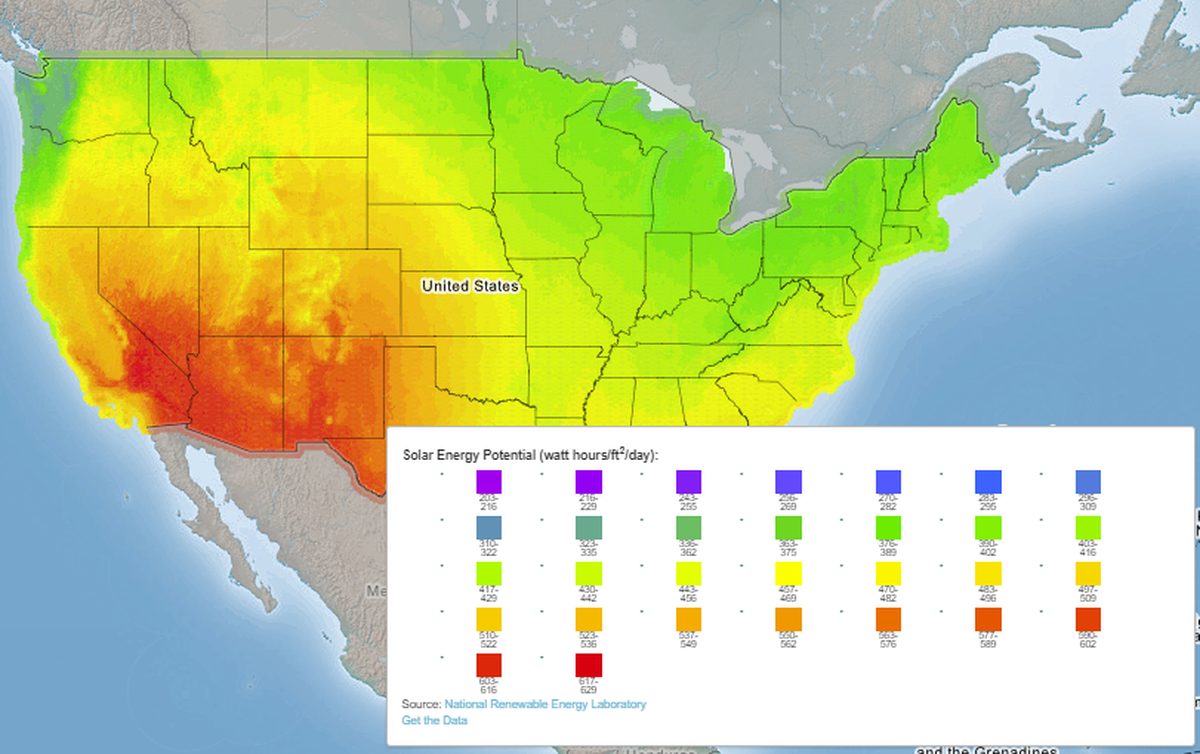
Solgen Power’s residential solar installations can provide 80 to 100 percent of a home’s power needs, making utility-supplied electricity secondary, he said.
Utilities typically provide net metering, paying for energy sent to the grid in exchange for credits to cover costs of electricity when homes need more electricity than is available from their solar panels.
Solgen Power is marketing a no-money-down financing program, that allows customers to draw on their electricity bill savings to help pay for the solar installation, combined with tax incentives and energy rebates.
The Solar Energy Industries Association says the cost to install solar has dropped by 70 percent over the last decade and that it expects total installed solar capacity to more than double over the next five hears.