
WA ranchers struggling to meet demand during COVID pandemic closer to relief
A bill to make it easier for Washington ranchers to get their meat directly to consumers unanimously passed the state Senate this week.
The bill would create a state-run meat and poultry inspection program with requirements equal to those of the U.S. Department of Agriculture.
Senate Bill 5045, co-sponsored by Sen. Judy Warnick, R-Moses Lake, now moves to the House. The bill passed unanimously in the Senate Committee on Agriculture, Water, Natural Resources & Parks.
Major disruptions to the food supply chain began last year when Tyson Foods plants shut down because of the coronavirus pandemic.
“The way that COVID impacted our meat packing and processing industry highlighted a need to reform how they are regulated at a state level,” Warnick said.
All meat sold commercially — or in small quantities and sold by individual cut — must be butchered and processed in a U.S. Department of Agriculture facility.
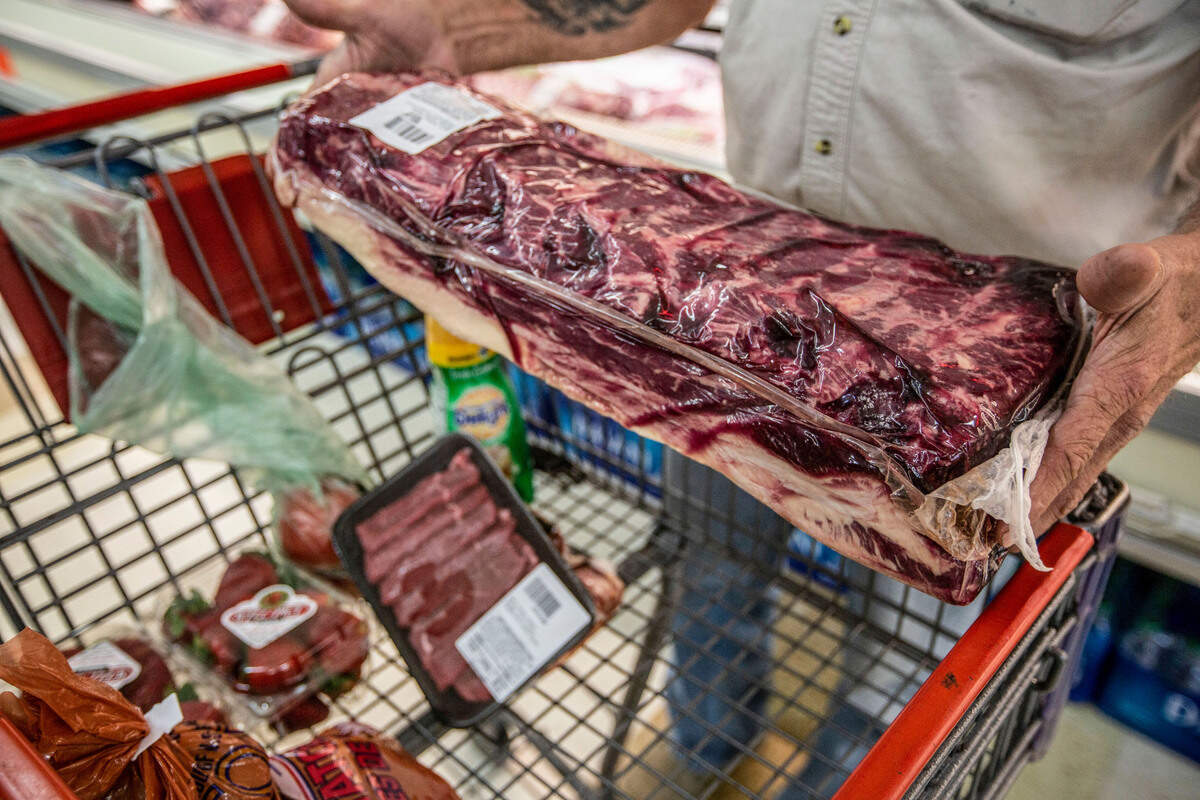
The problem is there are very few facilities in parts of Washington state, making it unpredictable if not impossible for small-scale cattle operators to arrange the federal inspections.
There are nearly 140 USDA facilities in Washington state, but only three in the greater Mid-Columbia region that do both slaughtering and processing.
And just two — McCary Meats in Mesa and Pure Country Harvest in Moses Lake — handle non-poultry meat.
Lawmakers hope the program will entice more small processors to sign up for the state inspection program by tapping into a grant program that the bill will establish to provide incentives and as well as increased training in the industry.
“We need to be more innovative and bring this oversight into the state’s control to avoid problems in the future. If we do it right, it will mean more opportunity for smaller producers and more local options for consumers,” Warnick said.
This story was originally published March 3, 2021 at 12:32 PM.