
Faith | Do you have the ‘mulligrubs?’ Here’s a proven remedy

The “mulligrubs” have got me again!
Too much tragic news, too many scandals around supposedly trustworthy people, too many children suffering, too many friends with serious health problems. I can feel the mulligrubs -- symptoms of reality fatigue, cynicism, being too busy and yet wanting to walk (run?) away from life, and a general grumpiness.
Having mulligrubs is not having a fatal disease, but it can be a gateway to depression, even despair. It signals to me that my life is way out of balance. The tragedies and struggles of the world are very real, and so also is the beauty and the kindness and the joy.
Best to notice the mulligrubs early and apply proven healing practices.
Years ago I found a path back to a healthier state of mind and spirit. It’s known as the 5-3-1 Practice. You can find information about it at the website for the Center for Healthy Minds at the University of Wisconsin-Madison.
As a person of faith in God, I find this practice to be an easy fit into my spiritual life, a way to stay closer to God and to be putting that relationship into action. A way of being a good steward of my mental and spiritual health. The “5” step in the practice is to sit still in silence, for 5 minutes.
My mind may want to chatter about the price of gas, or my latest health problem, or the coming election, but the trick is not to fight it, just let it be. I focus on opening my heart in the stillness, to connect with the Creator’s love that has been seeking some time with me, while I was busy and distracted.
If I can do more than 5 minutes, I go for it! If I can sit for only 1 minute before I just have to get up and do something, so be it. The more I do the practice, the longer the sitting in stillness lasts.
Most of the time.
For some of us, finding a place to sit still might be tough.
I’ve done this in my car, in a quiet spot in a large parking lot. I’ve done this in a restroom that wasn’t too busy. It helps if there is stillness around me, but ultimately this is about stillness within me, creating a calm and open heart space that I can access any place, any time.
The “3” step was originally written as “3 good things that happened today” but I prefer to say “3 things I am grateful for today.”
I might be grateful for something that happened, but I might be more grateful for my new hip, or for a beautiful bird seen in my backyard, or for the happy children making noise in church. I have a friend who is profoundly grateful for things such as a bowl of soup, knowing all that went into making it, from rain and sunshine to hands that harvested the vegetables, knowing that millions of people have nothing so nourishing to eat.
The instruction with the “3 things” part of the practice is to write them down, if possible, so they aren’t just fleeting thoughts. I strive to pay attention, like my friend, to all that makes possible the good things, the things I’m grateful for.
A lot of medical science and the skill of a surgeon went into my being able to walk without pain, using my new hip. The astounding beauty found in nature can be seen in one bird in one modest backyard. Children who feel safe and happy and “at home” in their church remind me of our responsibility to all God’s children to protect and encourage them.
Practicing gratefulness, I see the hand of the God who loves me working in my life, and I notice the connection to the lives of many who contributed to my 3 things. This part of the practice is not just about me, but about the unbreakable connection I have, that we all have, to God and to everything that is part of God’s world.
The “1” step” connects me to my community, family and friends and people I don’t know.
This step asks me to do one act of kindness. Connect with someone in whatever way works, a text, a note, a phone call. Connect with a stranger by giving a smile and a kind word. Let “hello,” “please,” ”thank you,” “excuse me” be phrases I use daily. Be generous with my time as well as my other resources. And sometimes I need to be kind to myself, with rest, enjoyment, forgiveness.
The world needs healthy minds and spirits, kind and generous people who know how deeply we are all connected, to each other, and to the other creatures sharing this planet
If you think maybe the mulligrubs are sneaking up on you, defend your mind and spirit! I highly recommend the “5-3-1 Practice.”
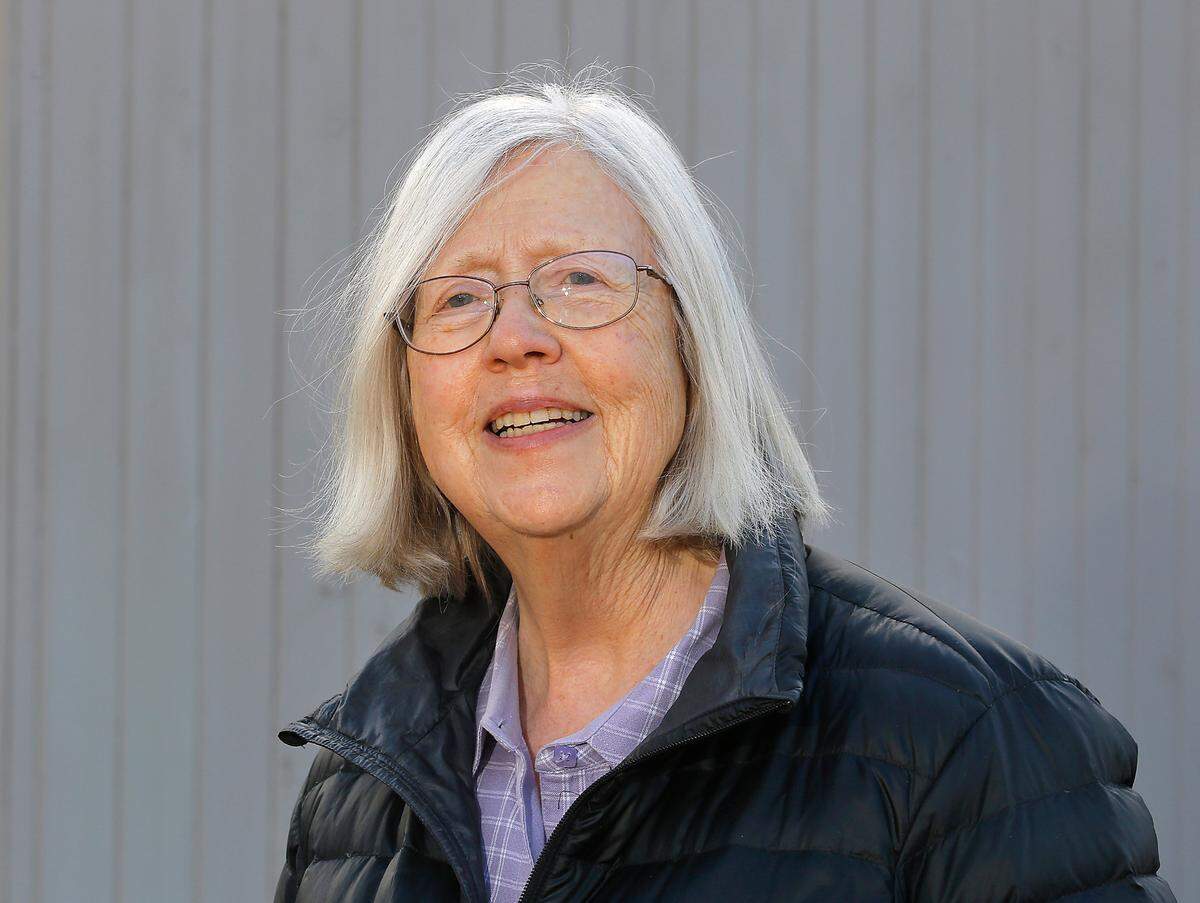
The Rev. Jan Griffin is a retired priest in the Episcopal Church, serving as a board and committee volunteer in her diocese and affordable housing facilities. Questions and comments should be directed to editor Lucy Luginbill in care of the Tri-City Herald newsroom, 4253 W. 24th Avenue, Kennewick, WA 99336. Or email lluginbill@tricityherald.com.