
Faith | No ‘smooth sailing’ for the Cuban Church, but hope keeps it afloat
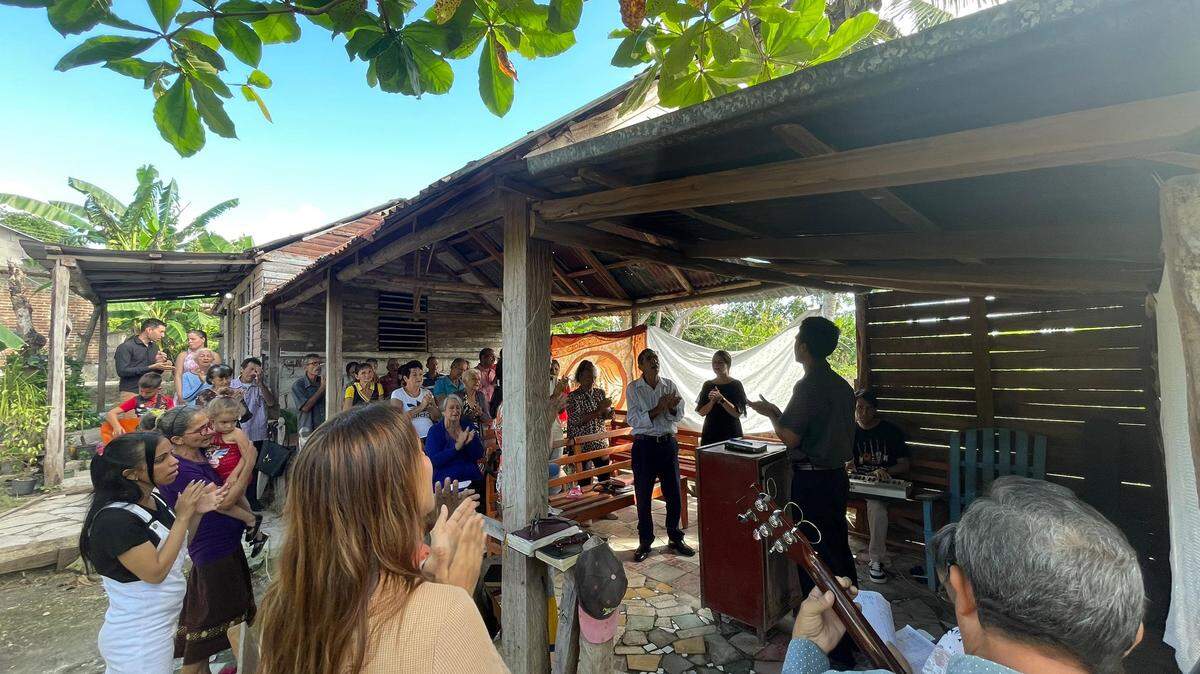
After our missions team came back from Cuba last month, major events took place in the region.
Early in January, U.S. forces carried out a large military operation in Venezuela, capturing President Nicolás Maduro and his wife in Caracas. Maduro now faces serious U.S. federal charges.
This development strikes Cuba at its very core.
Venezuela has served as Havana’s economic lifeline, providing roughly one-third of Cuba’s needs in exchange for Cuban doctors, security guards and advisors. Shipments from Venezuela have been completely halted. These actions have intensified fuel and food shortages amid already crippling blackouts.
Amid this uncertainty, the Cuban Church remains a beacon of hope—resilient, growing, and on fire for Jesus despite hardship.
Here are a few firsthand observations from two of our Global Gateway Network team members on our recent trip:
Bud, a team member, said, “When our plans had to change because of factors beyond our control—like the effects of Hurricane Melissa and strained U.S.-Cuba relations tied to Venezuela—we adjusted quickly. Our diverse team of Christians from across the U.S. stayed united and cohesive from day one.
“After the hurricane, the problems were real: lots of mosquito-borne sicknesses meant we had to be careful and pray every day. We had to buy safe drinking water every day because the local wells were made dirty by flooding. Problems getting supplies made life hard for people. Still, the medical supplies, food and money we brought led to lots of thanks, tears, and gratitude.
“The Cuban Church feels straight out of the Book of Acts. The Holy Spirit’s presence is tangible—love, joy, faith, courage, boldness, unity and passion for Jesus shine through every believer, despite having so little.”
Team member Dan said, “What’s beautiful to me is how the lack of material abundance has shaped the Church here. Hardship has forged believers who are on fire for Jesus. They worship with unrestrained joy—hands raised, voices loud, hearts wide open—even in simple concrete-block buildings with mismatched plastic chairs. They are poor in things, but rich in faith, hope, and love. (Matthew 5:3).
I can’t help but think how at home, we often treat Jeremiah 29:11 (“plans to prosper you ... giving you a hope and a future”) like a promise of smooth sailing through life.
In Cuba, it’s different. There has been very little smooth sailing for the Church in Cuba.
Believers gather in packed house churches—tens of thousands of them—because building new church structures is heavily restricted. When the power cuts out, services move to the yard under flickering candlelight. Baptisms happen quietly in plastic tubs or nearby rivers.
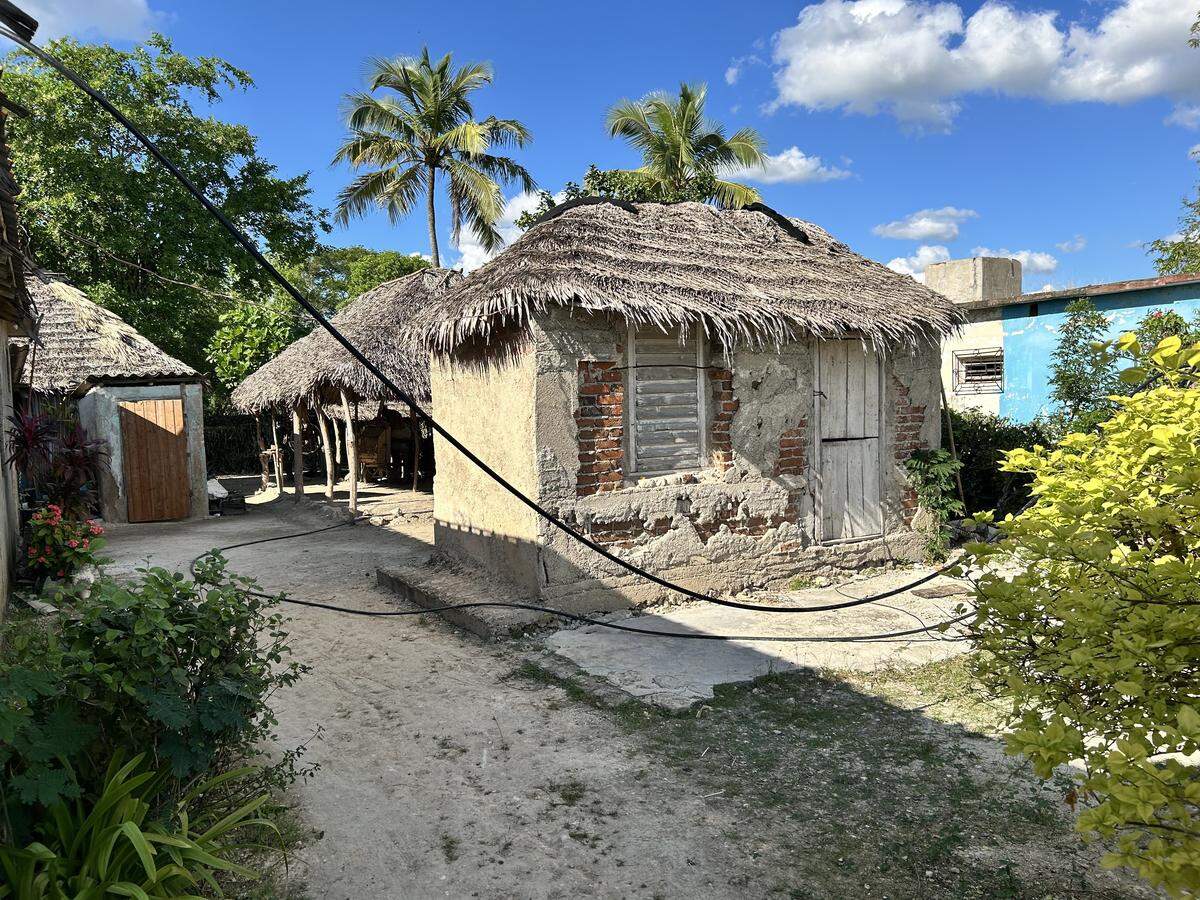
In the scriptures, Jeremiah wrote to Jewish exiles in Babylon; they were uprooted, homesick and tempted by false prophets who promised a swift return. God’s instructions were startling—build houses, plant gardens, marry, have children, seek the welfare of the city that enslaved you, and pray for its peace. Settle in for 70 years. Only then would restoration come.
In these Bible verses, Cuban Christians recognize their own reality. For over six decades, they’ve lived as exiles in their own country, facing economic hardship, constant surveillance, and permits delayed or denied. Instead of waiting for rescue, they’ve done what God told the exiles:
They’ve built “houses” by multiplying home fellowships that keep growing despite risks. They’ve “planted gardens” through urban food plots, shared rations, and networks of quiet aid. They’ve sought the city’s peace with careful prayers for leaders while serving neighbors in crisis.
These actions aren’t passive resignation. It’s active, joyful endurance—rooted in the New Testament truth that Jesus fully entered our exile. Because he died and rose again, his promise “I am with you always” (Matthew 28:20) carries resurrection power into every blackout, every shortage, and every intimidating threat.
I left Cuba more convinced than ever: hope is not wishful thinking. It is the presence of the living Christ in the middle of the hardest places.

Rev. Micah Smith is president and founder of Global Gateway Network (globalgatewaynetwork.org). Questions and comments should be directed to editor Lucy Luginbill in care of the Tri-City Herald newsroom. Email lluginbill@tricityherald.com.