
Faith | May the moral compass you choose bear good fruit in 2026
“You, who are on the road must have a code that you must live by and so, become yourself ... .”
Thus begins a very popular song written in 1970 by Graham Nash and performed so memorably by the vocal troubadours, Crosby, Stills, Nash & Young.
A code: a system of principles or rules. Here, I’m thinking of a code to live by. A moral or ethical code. While there are also genetic and computer codes, understanding them is way out of my wheelhouse.
Codes help define individuals plus groups from small to world-wide. Codes of ethics or conduct are ancient, created then as always to help people live together and function better as a society.
Biblical and other religious and secular codes include the wise and universal mandate to consider and treat (i.e. love) others in the same manner as oneself (Leviticus 19:18). Or the Ten Commandments and Judaism’s many subsequent applications. Or the Old Testament prophet’s moral directives: to act justly, embrace kindness, and walk humbly with your God (Micah 6:8). Or the Buddhist Noble Eightfold Path including ethical conduct. Or the Islamic moral and ethical principles including truth, reason, moderation, and charity.
Most religious texts are largely codes of bearing and behavior.
Statements of belief, or faith, or conviction, or priority are important. Thinking them out carefully, writing them down clearly, and sharing them with others--all this matters. Of course, it’s one thing to state or repeat the words of a code, say, during a gathering, but it’s entirely another to put thoughts into actions, words into deeds, and postulates into practices.
Every profession has a code of ethics, a statement of how those who “profess” their discipline will apply knowledge and exercise skills in honorable and constructive ways.
One of the premier codes of ethics in modernity is the Belmont Report, written in 1979 by the National Commission for the Protection of Human Subjects of Biomedical and Behavioral Research. Born out of the post-WWII Nuremburg War Crime Trials, its subsequent applicability extends to many aspects of how to treat each other.
The Belmont Report’s code has three principles: Respect for persons (honoring each one’s personhood and freedoms, plus protecting the vulnerable); Beneficence (minimize harms, maximize goods); and Justice (fairness in bearing burdens and receiving benefits).
Codes can harm or help, they can hinder or enhance the lives of others.
The ultimate teacher and practitioner of God’s code of right living put it concisely and precisely: “Every good tree bears good fruit, but the bad tree bears bad fruit. Thus are we known by the fruits we produce” (Matthew 7:16-20). Jesus had a lot more to say about right living, including the practice of forgiveness.
Every code and conviction, every policy and practice determines how we live together in society.
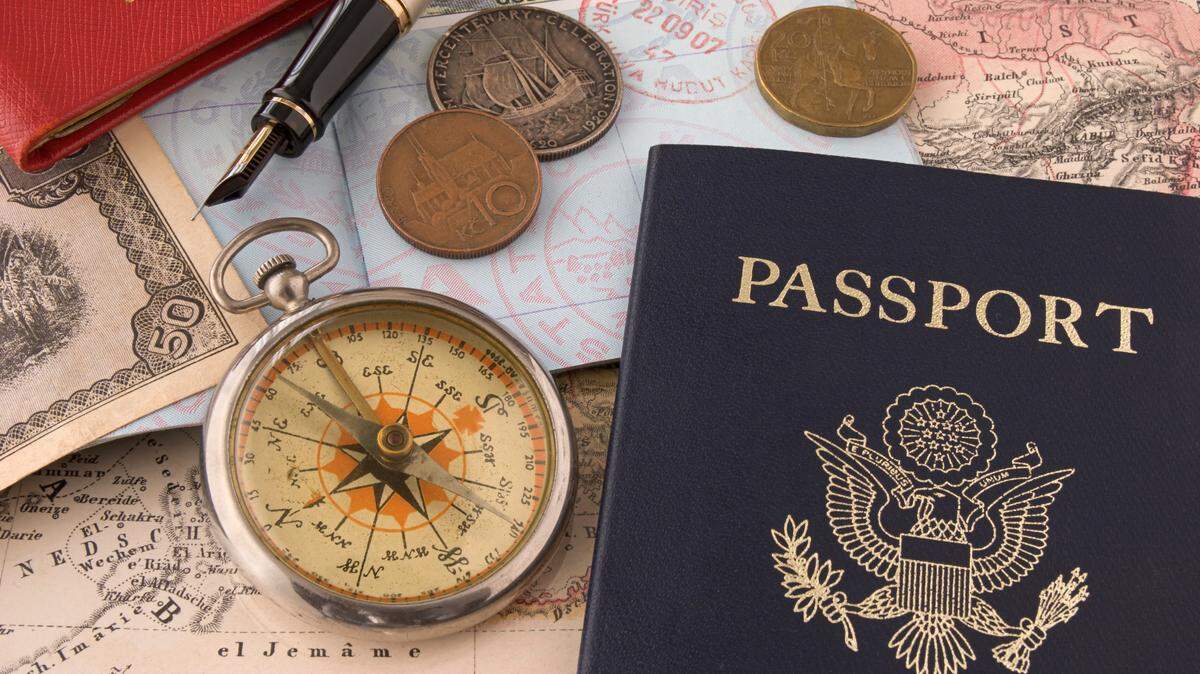
We are each on the road of life; what is your North Star, map, and compass? What is your moral code to live by and thus become yourself?
May your convictions and conduct bear good fruit for all!
Timothy J. Ledbetter, DMin, BCC is a retired American Baptist-endorsed professional chaplain and member of Shalom United Church of Christ in Richland. Questions and comments should be directed to editor Lucy Luginbill in care of the Tri-City Herald newsroom, 4253 W. 24th Avenue, Kennewick, WA 99338. Or email lluginbill@tricityherald.com.