Faith | These Coptic Christians rise above overwhelming garbage. Can we?
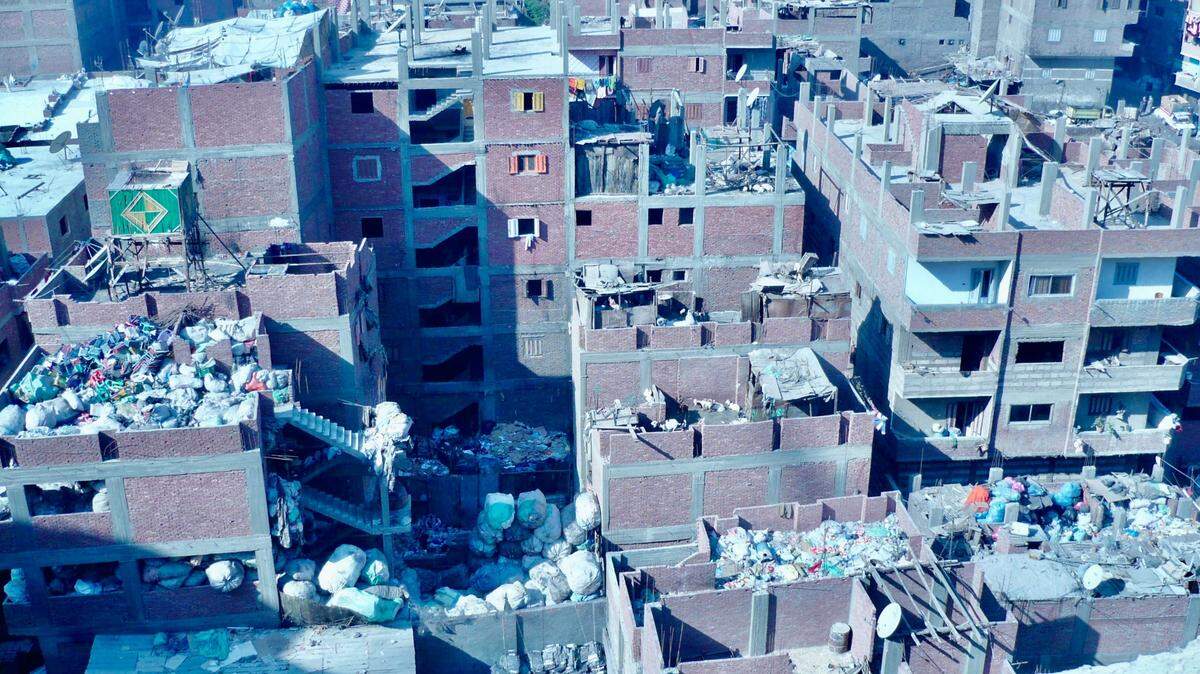
There was no escape from the dust in Cairo. That was especially true in Manshiyat Nasser, known to visitors as Cairo’s “Garbage City.”
Passing through the narrow streets, the stench was almost suffocating. Throngs of adults and children scurried about, sorting garbage in the streets, shops and homes, creating enormous, towering heaps of refuse. Crumpled plastic bottles, stacks of cardboard, rusted metal scraps, and rotting food waste—tons and tons of it—filled every conceivable space.
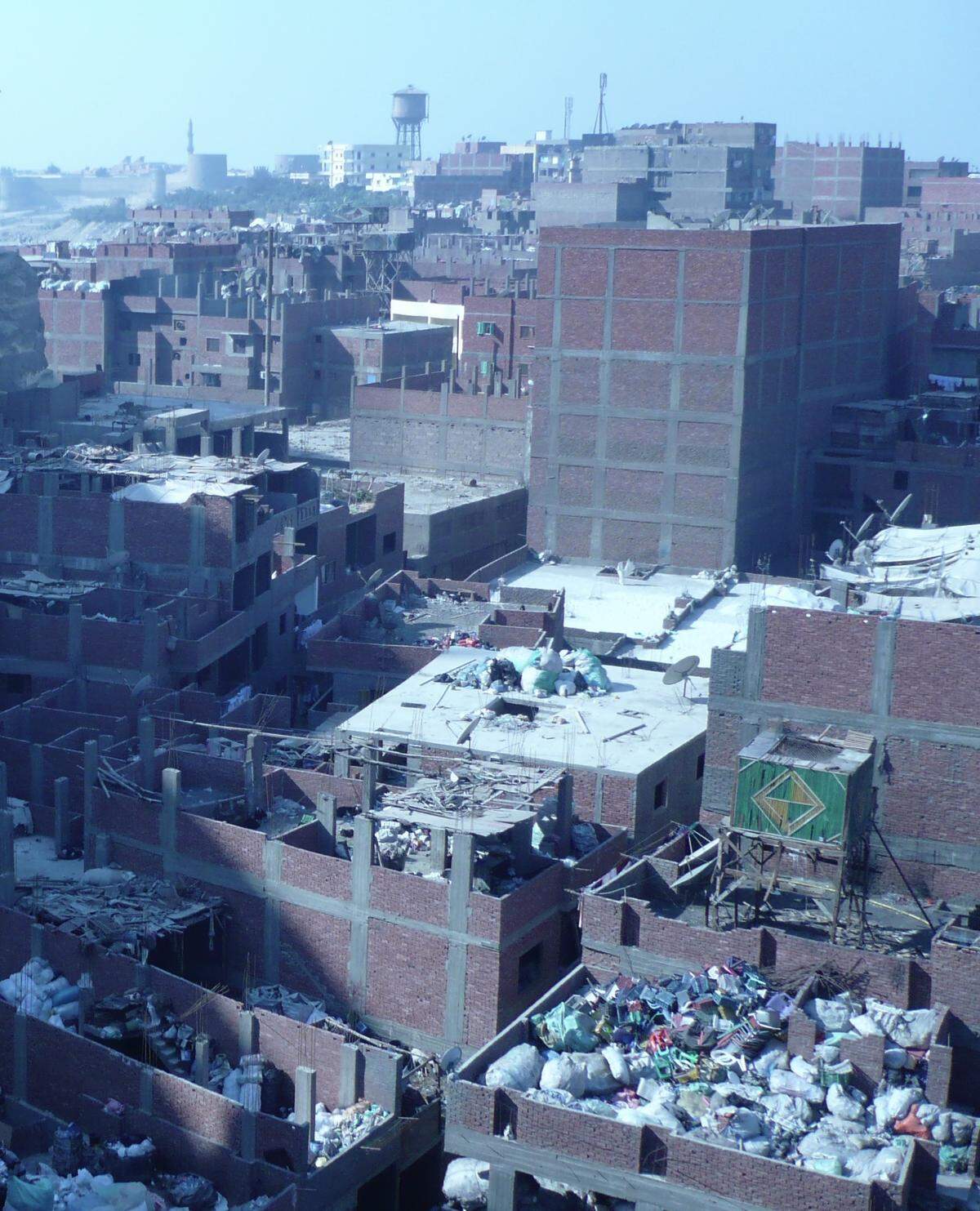
Yet somehow, the Zabbaleen community of 70,000 mostly Coptic Christians moved through it all without a hint of the repulsion that filled my senses. For them, it seemed like another day at the office.
Here and there, wafting through the odors of rank garbage, I caught surprising whiffs of baking bread. But it shouldn’t have been a surprise. The Zabbaleens live there. This is their home.
I thought to myself, “How do they endure it? How do they exist in this place?”
Yet life pulsed all around me. Children shrieked with laughter, some kicking soccer balls, others chasing each other past piles of trash. And all the while men and women worked side by side, patiently turning the city’s refuse into a livelihood.
Walking gingerly through the city of waste, I climbed a hill known as Mokattam Mountain. Several hundred feet up, I reached the Monastery of Saint Simon, where the ancients had carved out massive limestone blocks for temples and pyramids. Every Sunday, tens of thousands of people climb out of Garbage City to worship in the caves of Saint Simon.
As I surveyed the seating for 20,000, I saw wheelchairs and crutches by the hundreds lined up to the side and above the seating area, obviously no longer needed. My guide Magdy explained that these were healing mementos left by people who had been miraculously made whole during worship services.
Staring at these abandoned relics, my heart leaped with joy. No TV cameras, smoke machines or high-tech sounds systems were needed in that place, just the presence of Jesus.
Every week, these believers make the ascent up the mountain, leaving behind the reek and misery of their daily world for a taste of heaven in community worship. They fill the cavernous space, their voices swelling in hymns that echo Saint Simon’s message of Jesus to the powers and authorities of his day.
These garbage entrepreneurs, living with extreme poverty, severe discrimination and persecution in a Muslim-majority country, are a testament to the strength of their faith, their loyalty to Jesus.
I found myself wondering, “How do they do it? What’s their secret?”
By all logic one would expect raw despair—a disadvantaged, downtrodden people crushed by their circumstances. Instead, I witnessed a community of Christian believers bound together by a loyal fidelity to Jesus.
I will never forget the vibrant faith of the Zaberdeens, shining even in the midst of such shocking poverty. Paul’s words about another group of believers come to mind as I remember them: “They are tested by many troubles, and they are very poor. But they are also filled with abundant joy” (2 Corinthians 8:2, NLT).
Do Christians need to work in a literal garbage dump every day to prove their love for Jesus? Of course not! I have no desire to live like the Zabbaleens. Nor would I want my family or friends to live in the mountains of refuse, eking out a living to survive.
On a deeper level, however, the Zabbaleen community taught me profound and beautiful lessons about loving and serving Jesus in any and every circumstance. Their example challenged me to consider how we all, in one way or another, work and live in a spiritual wasteland, surrounded by moral decay and trashy thinking and living.
Yet in the very midst of it all, Jesus calls and enables us to shine.
Let’s climb the mountain of King Jesus.