
Garden Tips: Time to start moving transplants into the garden
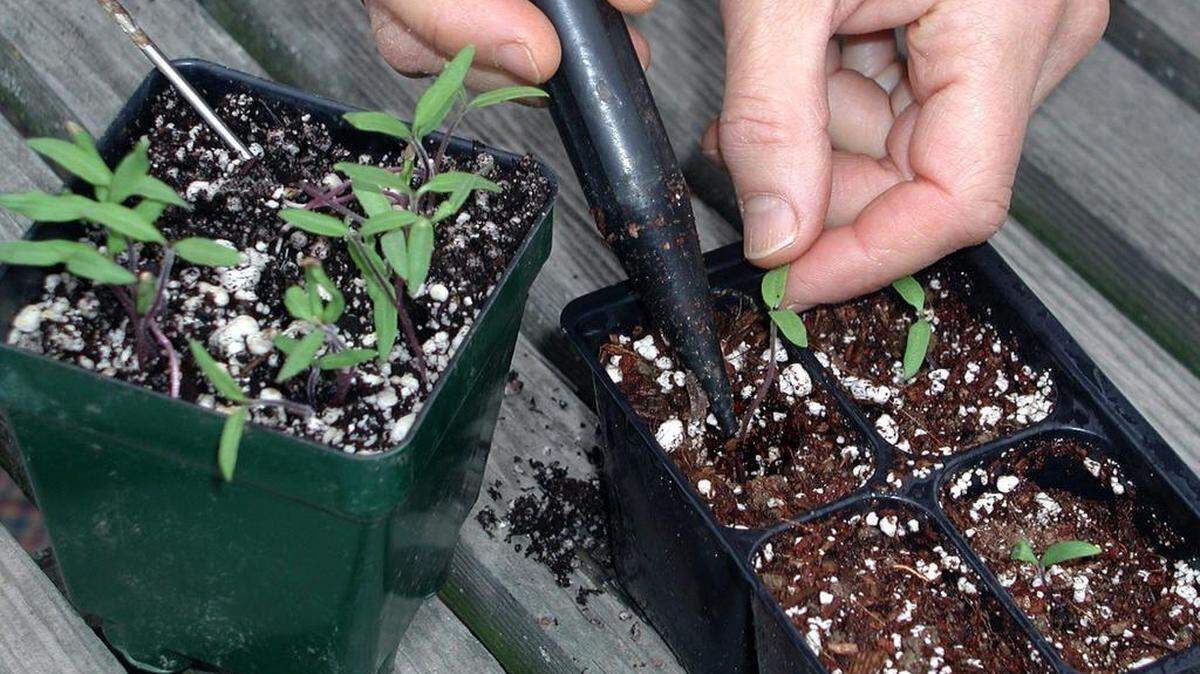
Spring has been slow to arrive this year with plenty of cool days and nights along with lots of wind. The first day of May is just two days away, and gardeners are getting ready to start planting their warm season veggie crops such as tomatoes, cucumbers and peppers. Now that daytime temperatures are finally warming up, the soil should start warming up too.
To be sure, check the soil’s temperature before placing your transplants in the garden. Warm season crops do best with a soil temperature of 70 degrees in the top 4 to 6 inches of soil. Measure the soil’s temperature in the morning when it will be the coolest. The roots of crops like peppers, tomatoes and eggplants will not grow much until the soil is warm enough, so there is no advantage in getting them in the ground earlier.
Before exposing tender young transplants to the full force of the elements in the garden, they should be toughened up or “hardened.” Hardening vegetable transplants fresh from a windowsill, greenhouse or mail-order shipping box involves placing them outside in a protected spot where they get direct sunlight for a only few hours every day. (If the nighttime temperatures will be frosty or very chilly, be sure to bring them indoors at night.) This is done for about a week, lengthening the time they spend outdoors each day. Plants that were already outside at the garden center or nursery may not require hardening.
You can help ensure the success of your veggie or flower transplants by selecting quality transplants. Buy “stocky” plants — those that generally are as wide as they are tall and ones without weak spindly stems. The leaves should be thick and have a healthy green color. Avoid vegetable transplants that are flowering and any with pale green leaves or any obvious insect or disease problems. If buying grafted transplants, examine the graft junction to make sure the graft union top (scion) and bottom (rootstock) look matched in size and that the union is well “knitted” together.
A rootbound plant is one with roots that have started circling the container in which it is growing. Rootbound transplants are the result of sitting in a pot that is too small for the size of the plant. This happens more frequently today because the plant industry has generally shifted to smaller and smaller containers to save space and money. If possible, buy transplants that have been grown in larger containers (4- to 6-inch pots) because they usually have a greater leaf area and larger root mass that is less likely to be rootbound.
If you find that your transplants are rootbound, you will need to loosen the roots before planting. If the root mass is not too dense, you may be able to gently tease apart the roots with your fingers. If it is heavily matted with circling roots, you will need to slice into the roots from top to bottom on four sides of the root ball, making the slices about .5 inch deep. If there is a circling mass of roots at the bottom of the pot, trim it off. If the roots of rootbound plants are not fixed, the roots will not grow out into the soil and the plant will be stunted because it can not absorb the water and nutrients needed for healthy growth.
Spring is finally here and its time to get the garden planted. Let’s go!
Marianne C. Ophardt is a retired horticulturist for Washington State University Benton County Extension.
This story was originally published April 28, 2018 at 7:00 AM with the headline "Garden Tips: Time to start moving transplants into the garden."