
Gardening may boost health while having more time at home during coronavirus pandemic
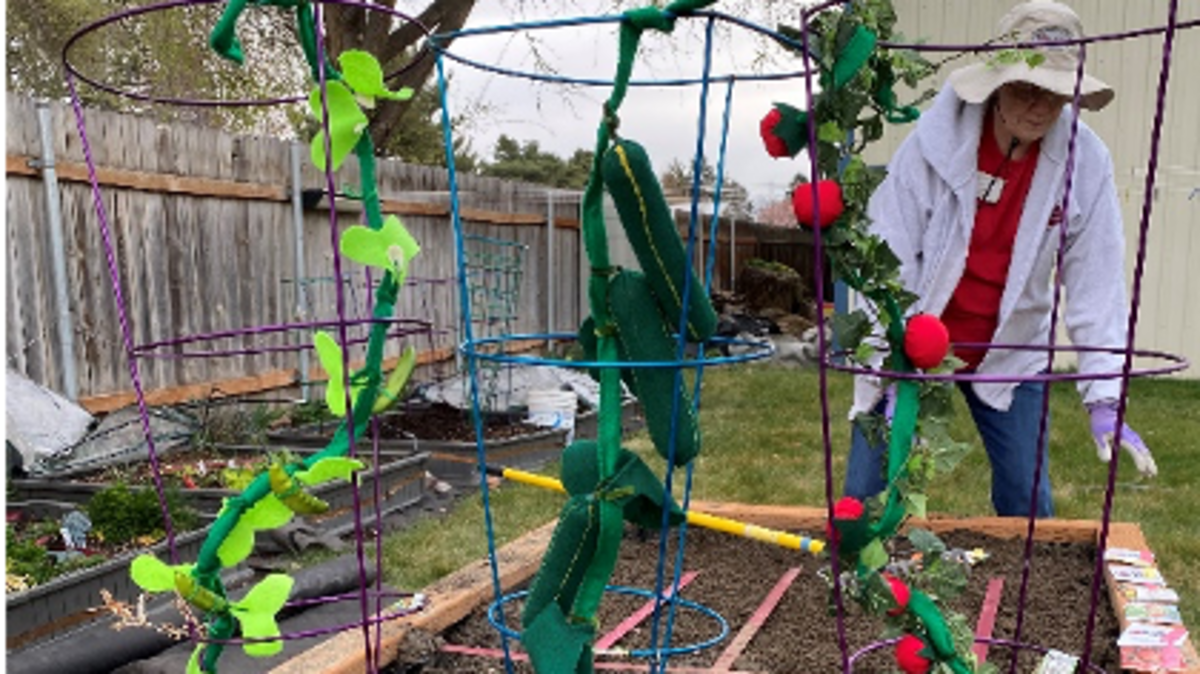
After you’ve finished clearing out those dead leaves you left on the ground all winter — plus the neighbors’ that blew over the fence, it will be time to get dirty.
Spring has arrived and you can head outside to your soil and sow some seeds. Adding color from plants and flowers will add a touch of beauty and grace to any house, and the bounty from the garden can fill a fridge.
Harvesting produce and placing a homegrown bouquet has its natural satisfaction that you did it yourself. But did you know that gardening has a number of other health benefits?
Specifically, people can see an improvement in self-esteem, heart health, stress reduction, happiness, better sleep, improved hand strength, family health and financial health by growing vegetables, according to a story by UNC Health Talk in 2017.
If that isn’t enough reason to dust off your gardening tools, starting a garden very well may be an option for parents to keep children occupied. Schools across Washington’s K-12 education system are closed through June because of the COVID-19 pandemic.
This new skill will expand their education beyond typical schoolwork. Their anticipation will grow as they water their plants and wait for them to ripen into vegetables and other foods.
The produce then can go a long way to improve your family diet, save money and supplement nutrition needs. Even if you are not in need of the produce, you can donate your bounty to a local food bank, which are being highly utilized as people face joblessness during stay home orders.
Don’t fret if you don’t have a yard — there are other ways to make a garden work. These tips from Alice Alison, a Washington State University Extension Benton Franklin Master Gardener Volunteer, will get you start.
Garden in a bag
- Plant shallow rooted plants such as radish and lettuce in a bag of potting or garden soil.
- Cut off one side of the bag, leaving the edge. Poke a few holes in the other side for drainage.
- Plant the seeds according to the seed packet direction for depth and spacing.
- Water and put a marker in of what you planted. Seeds need to be moist to germinate so check daily. When the plants sprout, check if it is moist where the roots are.
- Soon you will see the sprouts. The seed packet will tell you how long you will have to wait to enjoy your produce.
Planting peas
- Again, determine depth and spacing according to the packet the seed comes in. Check your seed packet for helpful information.
- Using chop sticks, a ruler or learning to measure by hand are all options for determining the right position.
- Drop your seeds in, cover, water and label your row.
- If you use pole -- or climbing -- peas, you’ll need to add support such as netting or a trellis system. Bush-type peas are mostly self-supporting.
- For more information on peas go to WSU’s publication Growing Green Peas in the Home Garden..
Planning and planting a raised bed
- One way to layout a raised bed is in squares. Crops like peas, cucumbers peppers and tomatoes can grow up on supports. Melons and most squash spread so much they will take over your bed.
- For example, 16 carrots or radishes can fit in a 1-foot square.
- You can plant just part of the square and the rest later, so you don’t have everything ready to be picked at the same time.
- Another way is to plant in rows. You don’t have to leave the suggested row space just the between plants because you won’t be walking in your bed. Cool season crops can be planted around the edge leaving room for warm season in the center.
- Rake your bed and remove rocks you can see.
- Possible ways to know seed depth. Mark a chop stick, use a ruler, learn to measure with your hand.
- Use the seed packet for depth and space between plants information. Plant your seeds.
- Label your row or square and water. Seeds need to be moist till they sprout, and the roots need to be moist after sprouting so check every day.
- Soon you will see your seeds sprouting.
- For more information on raised beds, go to WSU’s raised bed publication Raised Beds -Deciding if they Benefit Your Vegetable Garden
Transplant Seedlings
- If your plant has been in the house, “harden it off” before planting. Harden it off means to put it outside during the day for longer and longer each day, then finally overnight before planting.
- Loosen the soil around the edge of the pot and gently tap it out on to your hand.
- Tease the roots apart gently with your fingers.
- Use a trowel to make a hole deep enough for plant.
- Place in hole and pat down.
- You may need to water daily until plant gets established.
- Put the label in so you will know what you have.
For questions or assistance, call WSU Master Gardeners Emmanuel Osafo or Robby Burns at 509-735-3551.
You also can go to WSU Extension’s page on general gardening for a number of helpful publications at https://bit.ly/WSU-gardening