
What's in your dog's food? How to monitor your dog's nutrition
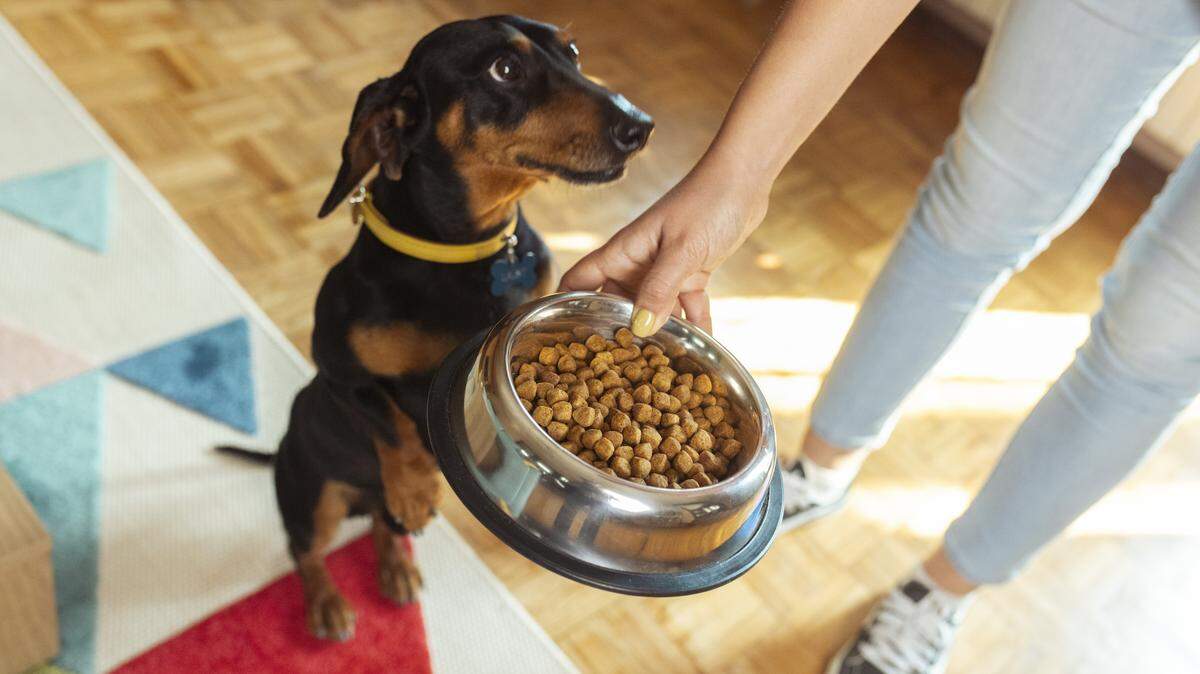
You are what you eat. Keeping your dog healthy includes providing them with a nutritionally balanced diet. Keeping an eye on what and how you feed your dog can make all the difference in their nutritional health.
The American Kennel Club offers tips on how to make sure you are feeding your dog quality food.
- Requirements for a healthy diet. A well-balanced diet for your dog must include whole food ingredients that provide protein, fats and fatty acids, carbohydrates, fiber, vitamins, minerals and water. Whole food ingredients are minimally processed so they deliver the nutrients, vitamins and fiber that pack the most value. These include fresh and raw meats, fruits and vegetables – as opposed to powdered or synthetic ingredients.
- Safety requirements for quality food. It is just as important to monitor where the ingredients come from. Make sure to do some research as to how those ingredients were sourced, prepared, stored and whether the final product was checked for safety.
- One size does not fit all. Your dog's nutritional requirements will depend on age, size, health and breed. Make sure you pick the right combination to support your dog's health. It is also important to monitor this information at each stage of your dog's life, as their nutritional requirements can change as they age.
- How to store your dog's food. Once you find the right food for your dog, it is important to keep it fresh and safe to ensure its longevity and effectiveness. The Food and Drug Administration offers these suggestions: Store dry pet food in its original bag with the top tightly folded down. If you want to store it in another storage container, put the entire bag into the container. Keep pet food in a secure location where your pet can't get to it. Store dry food in a cool dry place at a temperature less than 80 degrees Fahrenheit. Wash pet food bowls and scooping utensils with soap and hot water after each use. Throw out old or spoiled pet food by placing it in a securely tied plastic bag in a covered trash can.
To learn more about responsible dog ownership, visit the AKC at www.akc.org
Copyright 2026 Tribune Content Agency. All Rights Reserved.