Green Day came to Tri-Cities in the ’90s. New film shows the music scene that drew them
After more than two decades of living in Seattle and L.A., Tony Moser knew he had to come back home.
Call it old age — or maybe he was yearning for something familiar after a deluge of “tech bros” and rising rents.
“I was tired of the big city, earthquakes, everything’s expensive. I kind of just wanted to get back home, to a better way of life,” said the 46-year-old filmmaker.
But even home has a way of changing when you’re away.
Gone were the days of skaters, grunge and punk rock shows that would be held every weekend in the Tri-Cities in the early 1990s — and gone were some of the locations that they’d play, too.
“I got to thinking about the history of this place because Nate Mendel from the Foo Fighters was from Richland,” said Moser, a 1993 Kamiakin High grad. “The early ’90s, there was the Seattle explosion that happened. But here, we had a thousand kids who would come out to a show.”
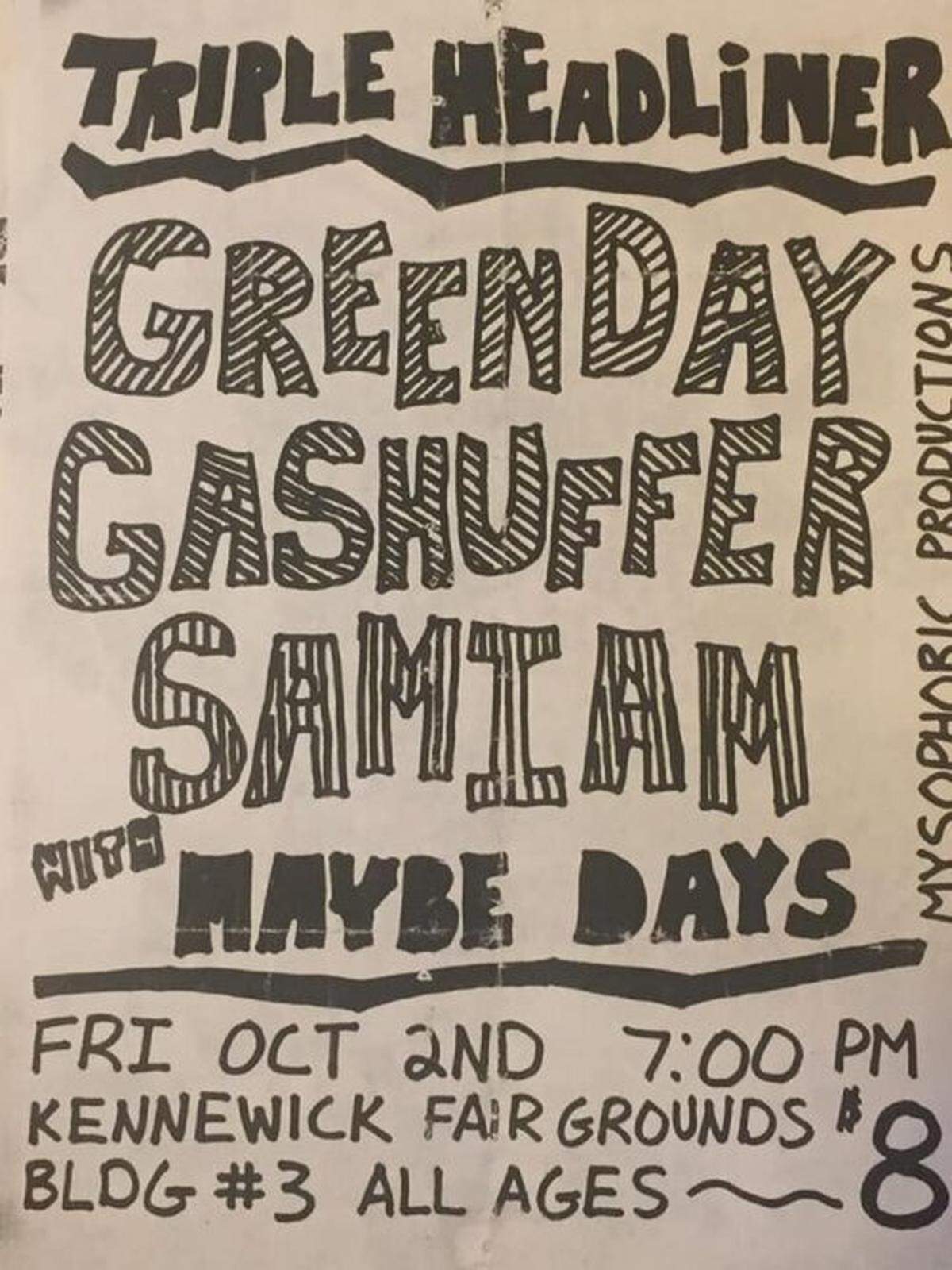
The scene even brought Green Day to the Benton-Franklin County Fairgrounds in 1992 before they hit it big with their third album, “Dookie.”
Now, after four years and plenty of delay from COVID, Moser is debuting a new documentary about the once-bustling Tri-Cities rock scene of that era: “All Ages Show.”
The 1-hour, 40-minute film premieres Friday, June 24, at a sold-out event at the Uptown Theatre. A second showing is scheduled for Wednesday, July 6, at the Gesa Power House Theatre in Walla Walla.
A digital download of the documentary, plus some extras, will be available at a later date on the “All Ages Show” website.
Moser said the original concept for the documentary was to cut a short video that would be uploaded to YouTube. But after more than 140 people backed his Kickstarter campaign with nearly $20,000 for the film project, he knew a feature-length film was due.
His goal with the documentary is to answer a question: Could it happen again?
The ‘other’ Washington
Moser never played in any of the bands that roved around the Tri-Cities, but he was a big music fan.
He’d hear about new local bands and shows through a high school DJ gig at Tri-Tech’s 88.1 The Edge. New local acts would go there to get their songs played over the airwaves, and it was a bastion of new music discovery.
“Tri-Cities back then was more of a smaller town. It was a sports town, and anything around skate boarding or punk rock was out of the norm,” he said.
While Seattle was busy spawning the giants that would go on to define the grunge sound — Alice In Chains, Nirvana, Pearl Jam and Soundgarden — Tri-City youth cut their teeth with the abrasive sounds that encapsulated the ’80s HarDCore punk scene out of the nation’s capital. .
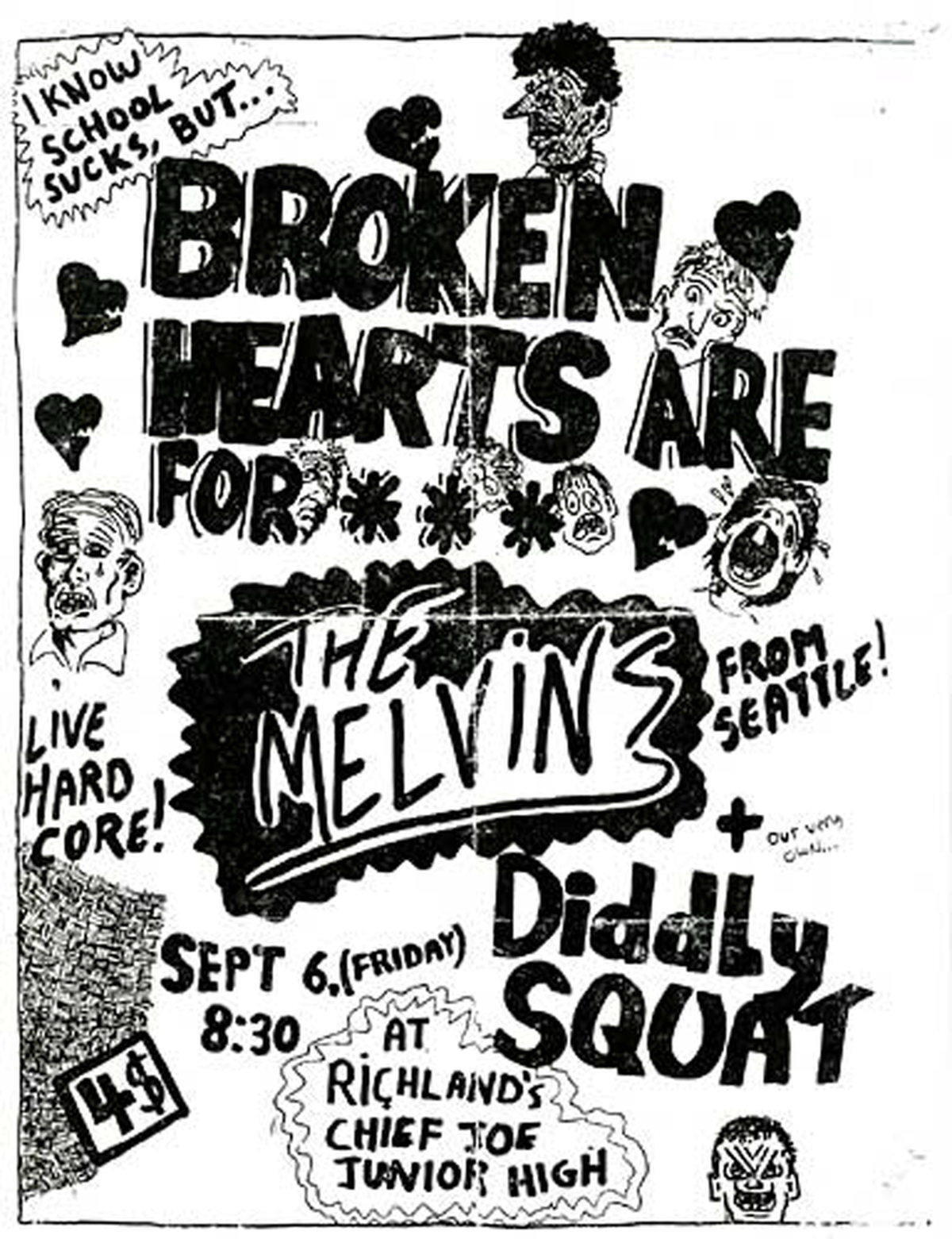
Moser credits local punk rockers Diddly Squat with spreading the sound that defined many local bands between the years of 1990 and 1995.
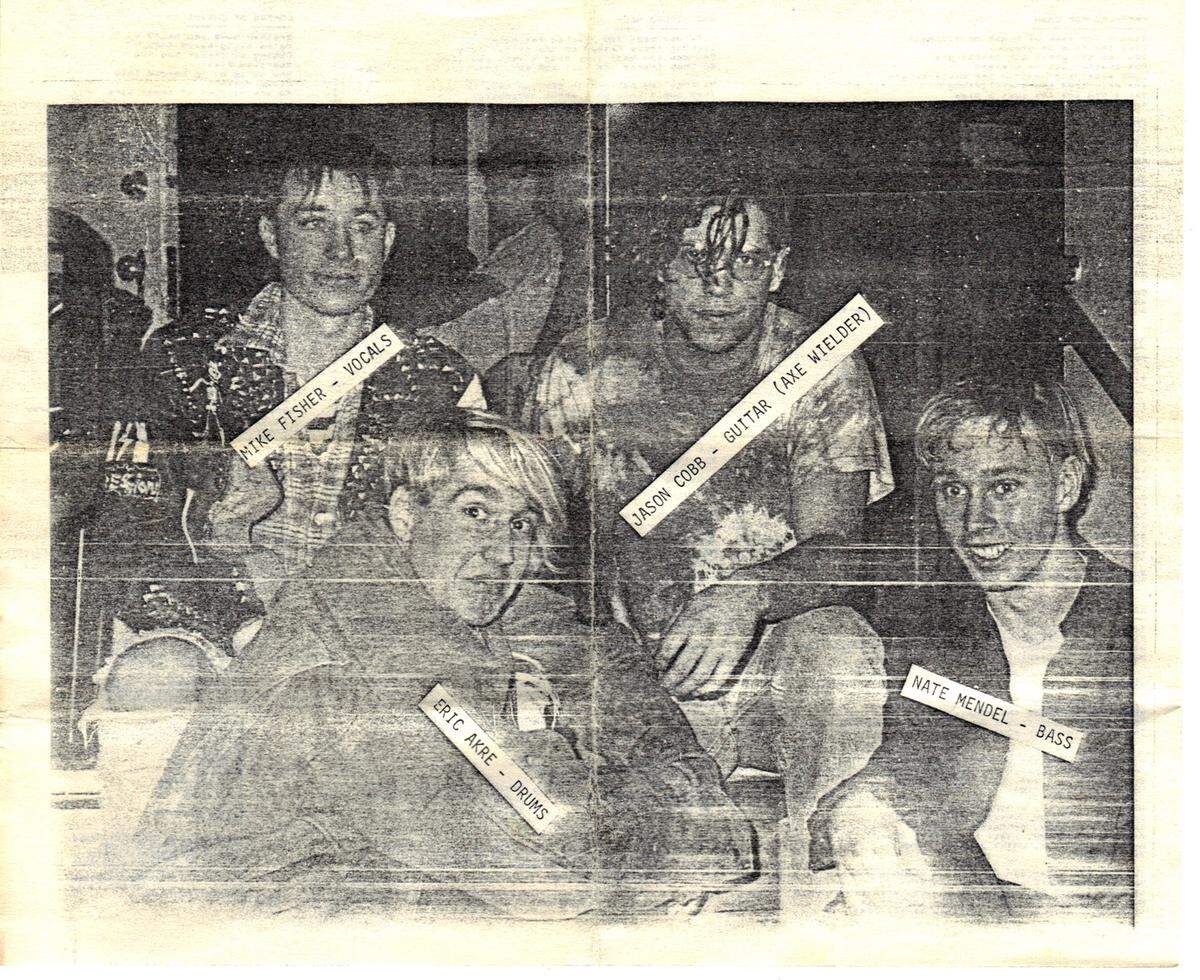
“I think that’s why we sounded like Washington, D.C., instead of Seattle, which was bizarre,” he said.
The members of Diddly Squat included bassist Mendel, of Foo Fighters fame; Eric Akre on drums, who’d go on to play in Treepeople; Jason Cobb on guitar; and Mike Fisher on vocals.
The group, which began performing in the late 1980s, was inspired a lot by the likes of Black Flag, Fugazi and Dead Kennedys, and were bringing that music and influence to Eastern Washington.
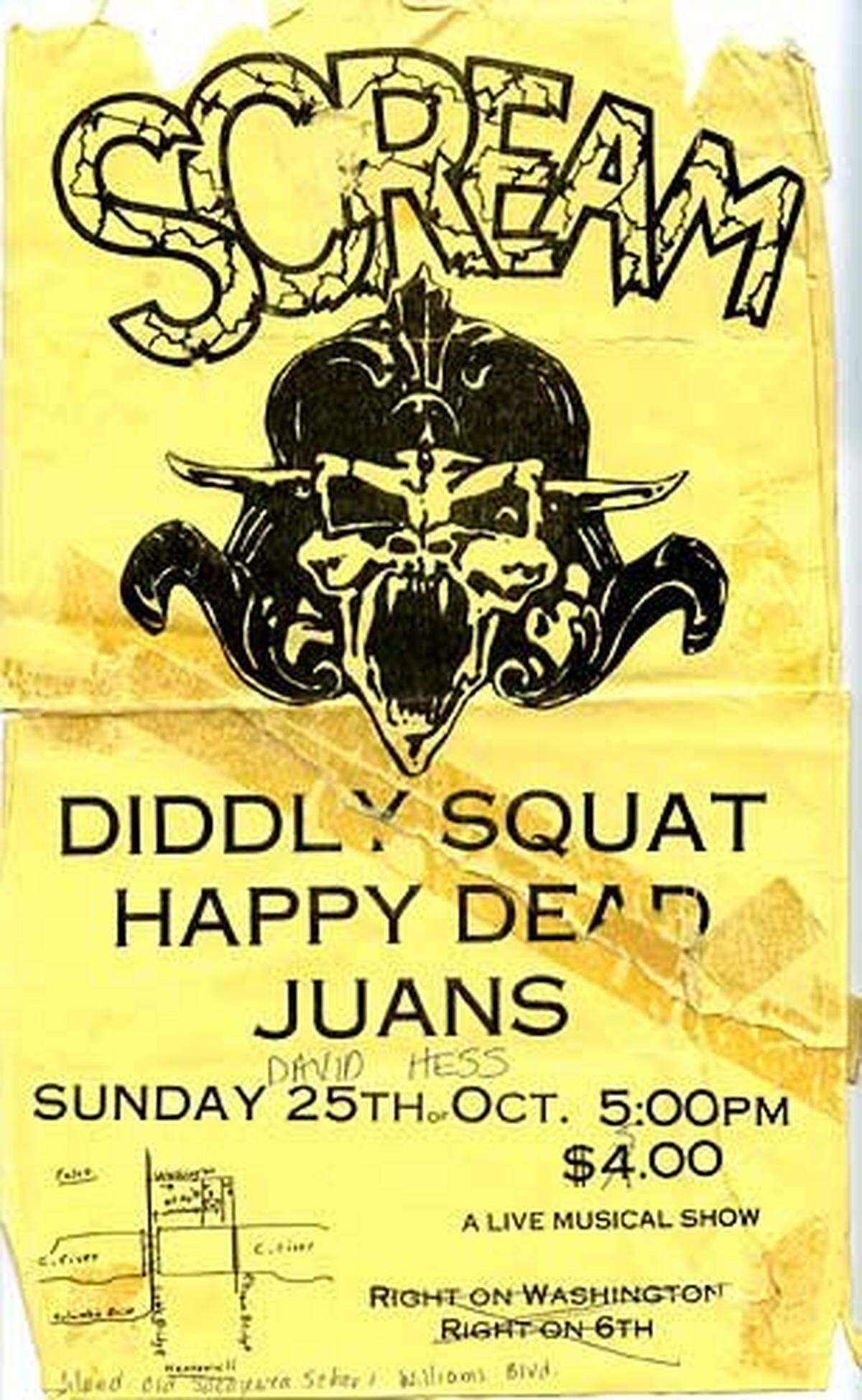
Before joining Nirvana, Dave Grohl’s D.C. punk outfit Scream performed in the Tri-Cities in 1987 on the same bill as Diddly Squat in Richland.
“I think the main thing that was consistent was the venues — how there used to be just a huge number of places to play. And now, that’s the problem,” Moser said.
Bands would play at the VFW, the fairgrounds, the Tri-City Hoedown Center, Atomic City Records, The Shanty, house shows and, in at least one instance, an abandoned gas station. Today, there aren’t as many venues for musicians.
“There was no better time to be in a band, to go to a show,” said Michael Novakovich, the departing president and CEO of Visit Tri-Cities. “There were so many shows happening, so many venues. It was the best time if you loved all-original live music. There was nothing like spending $5, hanging out with 200 people you don’t know, getting sweaty and rocking out to music.”
Novakovich moved to the area in 1989 from Walla Walla at the fresh age of 18. He played drums in several bands back then.
“It was all punk, metal or alternative rock — some of these bands combined all of that,” he said.
‘A tough, conservative town’
“The Tri-Cities was a tough, conservative town,” promoter Sean Hayter says in the documentary. “You realized this entire town was built by the government. Early on in the ‘50s, they didn’t even put it on the map.”
Peter Greenberg, also a former promoter, said it was in part this environment that bread the hard-edge attitude of Tri-City youth.
“The Tri-Cities, for all its good and otherwise, is not always the best at supporting the arts or giving the youths somewhere to go,” Greenberg said. “I think it sort of forced people to find a creative outlet in different ways.”
It was Greenberg’s love for local bands — such as Loudermilk and the Screaming Trees — that led him to reissue Small’s 1992 record “Finished One” on his label Latent Print Records in 2016.
Small was just one of a few bands that gained national attention with a video on MTV. The band ultimately broke up and reformed into The Ladybird Unition.
“It was this band from the middle of nowhere that, by all accounts, had no right doing this — but they did anyways,” Greenberg said.
Members of well-known rock outfit Loudermilk — who would go on to rebrand themselves as Gosling — describe their road to fame and music industry misfortune in the documentary, as well.
Greenberg said he thinks the Tri-Cities could catch that sort of lightning in a bottle again.
“It was definitely (the) right place, right time,” he said.
But while streaming platforms have made scores of catalogs available to anyone for just a few dollars a month, there remains a stark pay discrepancy for musicians and bands. Social media websites, like TikTok, continue to turn the music industry on its head.
More stories
With more than 20 hours of footage captured, and 50 people interviewed, Moser said there are still several loose ends that didn’t get fully explored in “All Ages Show’s” final cut.
The Tri-Cities around that time also was home to a robust hip-hop and rap scene, something he tried to delve into with film. But it was difficult tracking down sources, footage and material.
There are also several more stories from the musicians and bands he interviewed, and Moser said he’s considering either cutting another film or pitching a series to Netflix.
This story was originally published June 22, 2022 at 5:00 AM.