
When Fire Systems Fail, Minutes Matter: How One Company Is Contributing to Changes in Emergency Safety Response
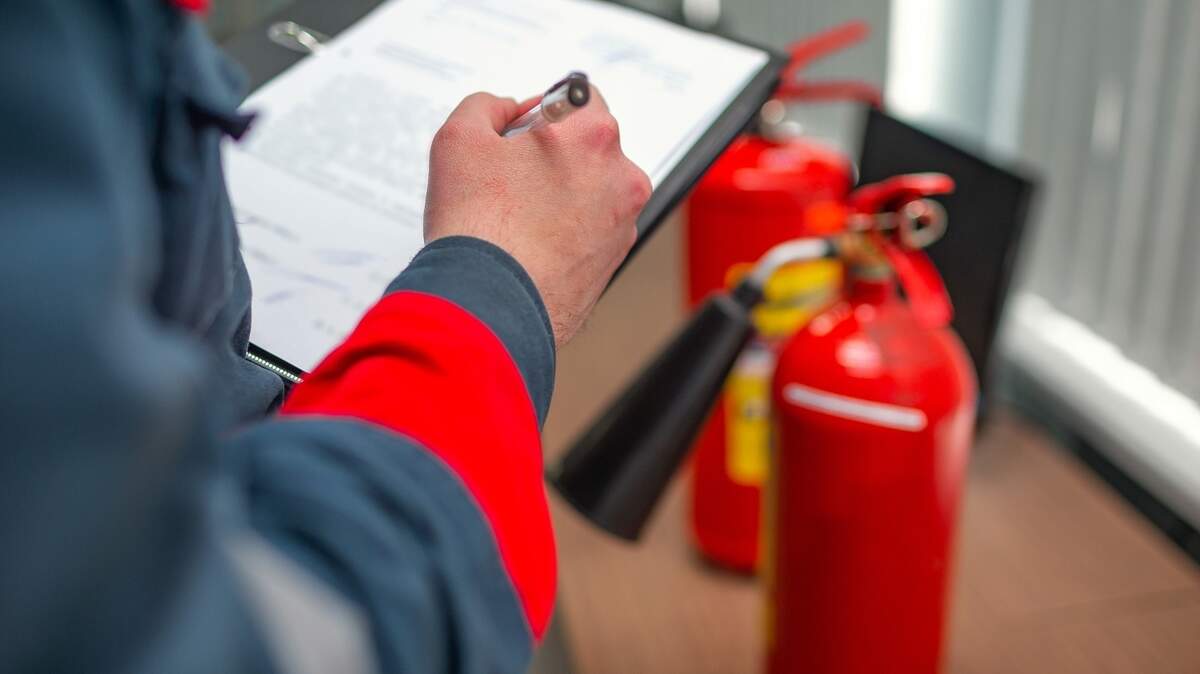
In commercial buildings across the United States, fire safety is something most people never think about—until something stops working.
A sprinkler system goes offline during a renovation.
An alarm panel fails without warning.
A fire marshal arrives, identifies the issue, and gives the property owner a short window—sometimes just minutes—to fix the problem or shut down operations.
In those moments, the difference between staying open and closing doors can come down to how quickly help arrives.
The Hidden Risk Most Businesses Don’t See
Fire watch services exist for one purpose: to step in when a building’s fire protection system is temporarily down.
The property is under surveillance through trained guards who conduct patrols to identify dangers while they document all incidents according to fire regulations of the area.
Business owners tend to overlook the fact that their operations involve significant risks, which can lead to severe consequences. Organizations that fail to comply with regulations face a system of escalating penalties.
Operational downtime from a mandatory shutdown results in financial losses, while business activities face interruptions and the company experiences prolonged damage.
The Fast Fire Watch Company reports helping its clients save over $26 million from fines and shutdown losses throughout the 2023 period. The number demonstrates a demand for service, yet it reveals the widespread nature of these events that result in expensive financial consequences.
Responding Under Pressure
“When a client calls us, it’s usually because they’re about to be shut down,” said founder Noah Navarro, a retired firefighter.
The company operates around the clock, dispatching certified fire watch guards to job sites across the country—often on very short notice.
For property managers, the challenge isn’t just finding a guard. It’s finding the right guard, fast enough to meet strict compliance requirements.
Different sites require different certifications.
Different cities follow different fire codes.
And every minute counts.
A Shift Toward Smarter Coordination
The company started using AI tools in 2023 to manage its operational challenges. The guards continue to handle essential site duties, but technology now manages their pre-arrival activities.
These systems can:
- Identify the nearest available guard
- Match certifications to specific site requirements
- Account for travel time and local conditions
The goal is simple: reduce delays when time matters most.
From Paper Logs to Real-Time Visibility
Another change is happening in how fire watch activity is documented.
Traditionally, guards maintained handwritten logs—records that were only reviewed after the fact.
Today, digital tools can give property managers visibility into patrol activity in real time.
Guards can log their routes electronically, creating time-stamped records that can be shared immediately with inspectors if needed.
For business owners, that visibility can make a difference during inspections or follow-up visits from fire officials.
A Service That Spans Industries
Fire watch coverage is required in a wide range of situations:
- Construction sites during high-risk phases
- Buildings undergoing system repairs
- Facilities performing “hot work” like welding or cutting
- Large venues hosting events
The Fast Fire Watch Company has worked with organizations across multiple industries, from construction and property management to logistics and manufacturing.
In each case, the goal is the same: maintain safety and keep operations running.
Why It Matters More in 2026
As building systems become more complex and regulations continue to evolve, temporary failures are becoming harder to manage manually.
At the same time, enforcement has become stricter.
For property owners, this may mean:
- Less room for delay
- Higher financial risk
- Greater need for a reliable response
What was once viewed as a reactive service is increasingly being considered as part of operational planning.
Closing the Gap
Fire watch will always depend on trained professionals walking the property, identifying risks, and staying alert.
That part hasn’t changed.
What is changing is everything around it—how quickly guards are deployed, how their work is documented, and how businesses prove they are staying compliant.
In situations where minutes can determine whether a business stays open or shuts down, those changes may be contributing to measurable improvements.
The information provided in this article is for general informational and educational purposes only. It is not intended as legal, financial, medical, or professional advice. Readers should not rely solely on the content of this article and are encouraged to seek professional advice tailored to their specific circumstances. We disclaim any liability for any loss or damage arising directly or indirectly from the use of, or reliance on, the information presented.
Members of the editorial and news staff of tri-cityherald.com were not involved with the creation of this content. All contributor content is reviewed by tri-cityherald.com staff.