
Feds get more time to destroy dangerous chemicals that can sicken Hanford workers
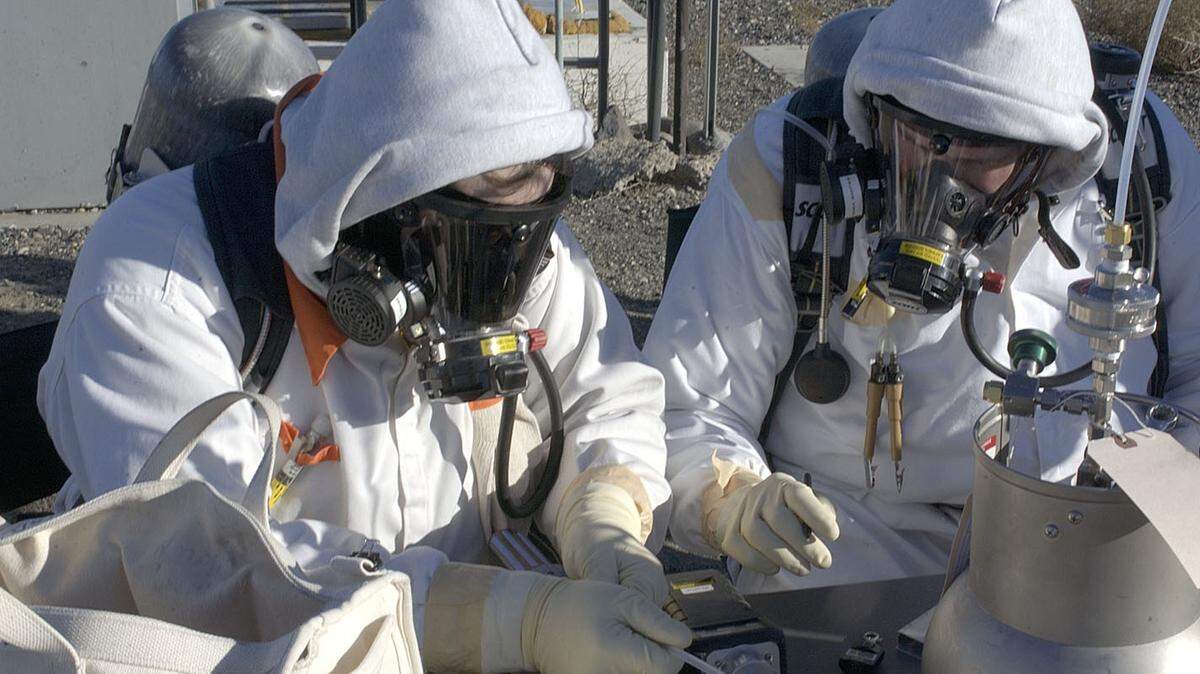
Hanford will be allowed years more time to test and start using technology to capture and destroy chemical vapors that have sickened workers.
As a concession for allowing more time for testing with the hope of then using chemical-destroying technology, the plaintiffs in a 2015 lawsuit are requiring more transparency in reporting possible vapor incidents at the nuclear reservation.
The changes are included in a modification and extension of a 2018 settlement agreement reached in the lawsuit.
It was filed against DOE by Hanford Challenge, a Seattle-based worker advocacy group, and the United Association of Plumbers and Steamfitters Local Union 598.
“This agreement represents our priority of transparency for our community and reaffirms our expectation for innovation and deployment of expanded engineering controls at the tank farms,” said Nickolas Bumpaous, business manager for Local 598 in Pasco.
Since at least the 1990s, Hanford nuclear reservation workers have raised worries about exposure to tank vapors.
Reported symptoms have included headaches, nausea, shortness of breath and dizziness. Some Hanford tank farm workers have had serious and even fatal respiratory and neurological illnesses they or their families believe are linked to exposure to chemical vapors.
When the initial settlement agreement was reached, Washington state Attorney General Bob Ferguson said the chemical-destroying technology could be in use in three years, or fall 2021.
However, permitting of the system continues and then pilot testing of the technology could be done on the Hanford site.
An amendment to the settlement agreement says that Phase 3 testing of the chemical-destroying system now is projected to be completed in August 2027. The settlement agreement has been extended from 2022, through Feb. 1, 2028.
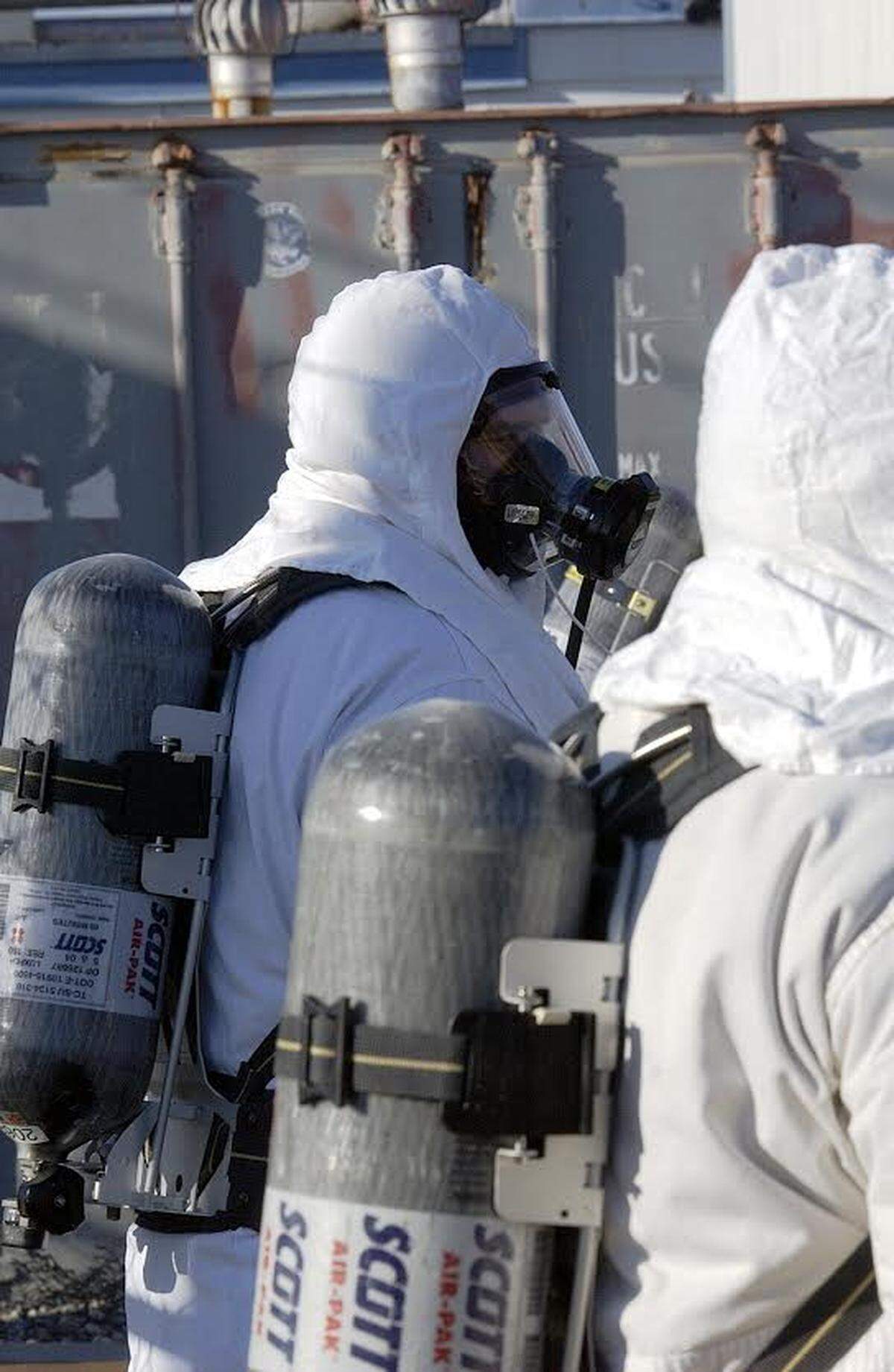
In the meantime, other methods to help protect workers from breathing in the hazardous chemicals will continue to be used, such as requiring supplied air respirators or air-purifying respirators in some areas and using monitors to check for ammonia, one of the most plentiful chemicals in the vapors.
Chemical vapor reporting
Now DOE’s tank farm contractor, Washington River Protection Solutions, posts reports online when ammonia is detected, including when monitors alarm at or near tank farms with 177 underground tanks for holding waste.
Sixteen of the reports were posted in 2022, which is about equal to the number of the previous two years when work slowed amid the COVID-19 pandemic.
The amended agreement requires reports to be posted when any suspicious odors are reported.
In the most recent report posted on Nov. 30, three laborers were removing snow along the east side of the A Tank Farm and five along the west side when the ammonia monitor worn by one of the workers alarmed.
All of them left the A Tank Farm, and access was restricted until more testing was done without findings of concern.
None of the workers had symptoms or smelled any chemical, and all declined medical evaluation. All were wearing full-face air purifying respirators.
The monitor that alarmed was tested and found to be giving an erroneous alarm for ammonia during abrupt movements, such as those that would have been done during snow shoveling, according to the report on the incident.
A finding of no employee chemical exposure was made and the monitor that alarmed was taken out of service.
Through the years workers have reported smelling suspicious odors in the center of Hanford near tank farms. Sometimes the tank farm contractor has concluded the odors were from other activities such as pesticide spraying.
Any change of procedures related to tank vapors also must be made public under the revised settlement agreement.
Hanford built 149 single-shell tanks as early as World War II to hold radioactive and hazardous chemical waste created by chemically separating plutonium from uranium fuel.
The site near Richland in Eastern Washington production almost two-thirds of the plutonium for the nation’s nuclear weapons program from WWII through the Cold War.
Underground tanks continue to hold 56 million gallons of the waste, with waste being transferred from leak-prone single-shell tanks to newer double-shell tanks until it can be treated for permanent disposal.
Hanford chemical vapor protections
More than 1,800 chemicals have been identified in the tank waste, including 1,500 that are released as vapors into the head space of the tanks. They include harmful chemicals such as nitrous oxide, mercury and benzene.
The vapors are vented into the air to prevent potentially flammable concentrations of gasses in the tanks. When waste is disturbed, such as when work is being done in the tanks, vapors are more likely to be detected.
To reduce the risk to workers breathing in harmful vapors, the tank farm contractor uses controls such as requiring respirators, raising the height of stacks that release vapors well above worker’s breathing space, powered ventilation for some tanks, and monitoring and detection equipment.
Ammonia is used as a sentinel chemical. Not only is it plentiful, but even small amounts have a strong odor that workers may smell.
One former longtime Hanford worker, Abe Garza, who spoke at a news conference when the initial settlement agreement was signed in 2018, said he had been repeatedly hospitalized for breathing issues, had nerve damage in his hands and feet, and had been diagnosed with a brain disorder, toxic encephalopathy, that can be caused by exposure to chemicals, such as heavy metals.
“We are hopeful that the renewed commitments will ultimately prevent vapor exposure and lead to a future for Hanford that prioritizes safety and accountability in cleanup efforts, said Nikolas Peterson, executive director of Hanford Challenge, after the revised agreement was signed.
Before the lawsuit was filed, DOE was exploring new technology to protect workers — including by destroying vapors. It was one of dozens of recommendations made by a team of independent experts commissioned in spring 2014 and led by Savannah River National Laboratory in South Carolina.
Testing is being done on a system that pulls tank vapors into a combustion engines induction system, where they are destroyed by heat in the engine cylinders.
It has taken longer than expected, including a lengthy permitting process and issues to be resolved on a power source for what is planned to be a mobile unit.
Hanford workers and the public can monitor tank vapor issues at hanfordvapors.com.
This story was originally published February 13, 2023 at 5:00 AM with the headline "Feds get more time to destroy dangerous chemicals that can sicken Hanford workers."