
Exclusive | Hanford workers hospitalized after feeling sick digging at nuclear waste-tainted site
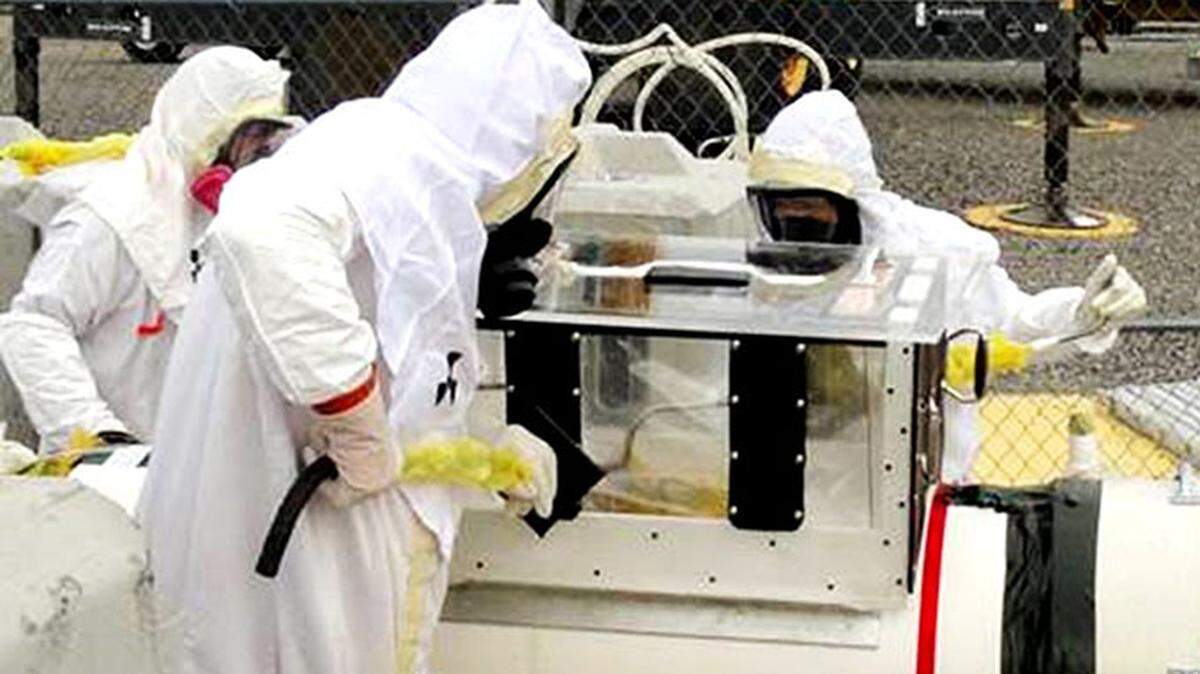
Three Hanford workers spent 24 hours at the Richland hospital last month after reporting headaches, nausea and rapid heart rates at one of the nuclear reservation’s tank farms.
The symptoms were consistent with those linked to inhalation of vapors from the toxic waste held in underground tanks.
Some Hanford tank farm workers have reported serious respiratory and neurological illnesses they suspect are linked to exposure to chemical vapors.
The vapors are mostly reported when waste is disturbed in single-shell tanks, which are vented directly into the atmosphere.
The waste is left from the past production of plutonium at the Eastern Washington Hanford nuclear reservation for the nation’s nuclear weapons program.
In this case workers were digging by hand about a foot of soil on June 18 in an area where tank waste had previously leaked or spilled, rather than doing work directly involving the storage tanks.
They were preparing the ground to install a high-density asphalt barrier over the surface at Hanford’s largest single-shell tank farm. The TX-Tank Farm has 12 single-shell waste tanks.
Since the underground tanks were put into service to hold radioactive and hazardous chemical waste in the late 1940s, waste has spilled and leaked into the ground there.
The asphalt cover is planned to prevent rain and snow melt from pushing contamination deeper into the soil.
June incident
On June 18, workers preparing the ground at the TX Tank Farm reported smelling suspicious odors — described as copper-like, burnt and sour.
Workers responded appropriately by stopping work and leaving the tank farms, according to Washington River Protection Solutions, the Hanford site tank farm contractor.
Nine of the workers were evaluated by the on-site occupational medical provider.
Three with symptoms were referred from the on-site clinic to Kadlec Regional Medical Center in Richland, where they were held for 24 hours for observation.
Since then, four more workers, at least three of them working on the ground barrier project, have asked for medical evaluations.
All workers have been cleared to return to work.
When workers were in the TX Tank Farm they were wearing full-face air-purifying respirators equipped with chemical cartridges, according to the tank farm contractor.
The respirators are less protective than supplied air respirators, which were required for a time for single-shell tank farm work, before an independent review of chemical cartridges was completed.
Investigation continues
Workers were wearing personal monitors that check for ammonia, a common chemical in tank vapors, but none of them alarmed.
Soil samples where workers were digging had no elevated levels of contaminants or any chemicals at concentrations of concern, according to Washington River Protection Solutions.
In addition, used respirator cartridges were checked and were indistinguishable from new cartridges, according to the contractor.
However, the cartridges are not rated as protective against all chemicals of concern for human health in tank waste and vapors, said Tom Carpenter, executive director of Hanford Challenge, a worker advocacy group.
In addition, while disturbing waste in tanks can lead to the release of tank vapors, atmospheric changes also can lead to releases, he said.
The tank farm contractor investigation of the incident is continuing.
Additional work planned over the last week included sending in workers on supplied air respirators to replicate the digging that was being done when workers reported suspicious odors.
The incident in the TX Tank Farm occurred just before a report was released by the Washington state Hanford Healthy Energy Workers Board that called for the creation of a Hanford Healthy Energy Workers Center to promote better health care for Hanford workers exposed to radioactive and hazardous chemicals.
This story was originally published July 11, 2021 at 5:00 AM with the headline "Exclusive | Hanford workers hospitalized after feeling sick digging at nuclear waste-tainted site."