
Feds bash Hanford nuclear waste plant troubles, question DOE priorities
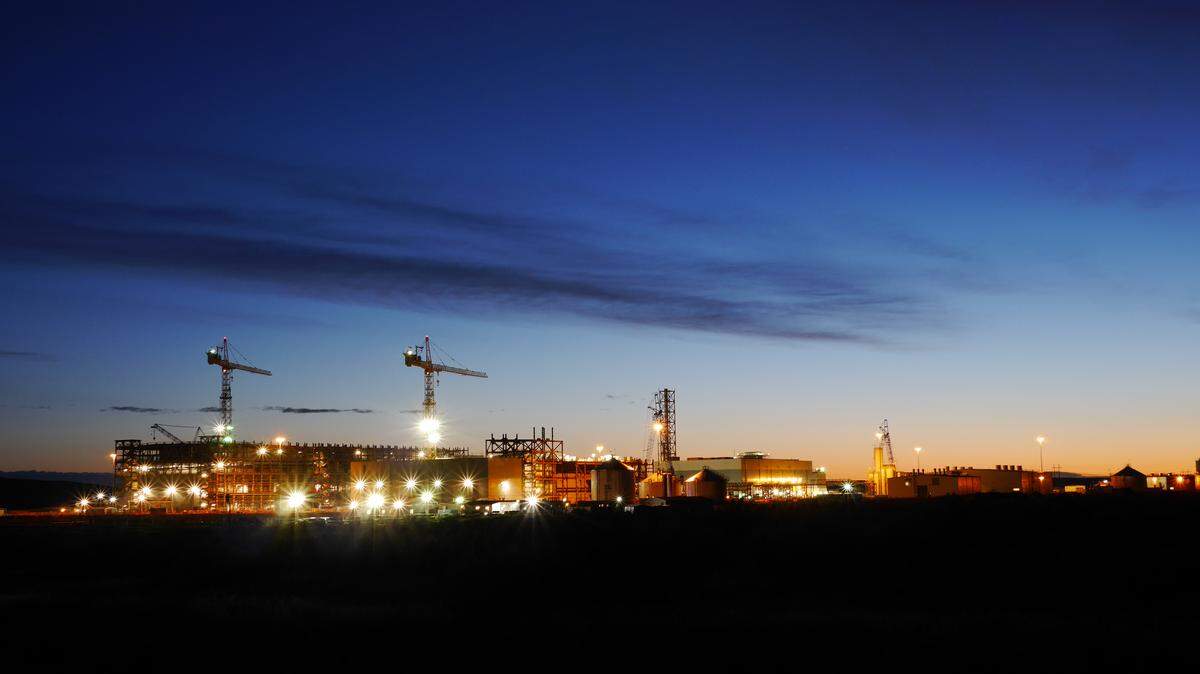
Problems first identified six years ago continue the plague the multi-billion-dollar Hanford vitrification plant, according to federal investigators with the Government Accountability Office.
The Department of Energy and its contractor have not shown that the plant has the quality needed to operate safely when it starts treating some of the nation's deadliest nuclear waste.
The contractor, Bechtel National, has not fully completed planned corrections, and the corrections it has made have not prevented continuing quality assurance problems, the GAO said.
The $17 billion plant has been under construction since 2002 to turn up to 56 million gallons of radioactive waste into a stable glass form for disposal. The waste is left from the past production of plutonium for the nation's nuclear weapons program.
Its quality assurance program is intended to make sure that equipment, materials, workmanship and systems have the high quality — and quality that is verified through stringent recordkeeping — to make certain the plant will operate safely.
The GAO said that the Hanford DOE office responsible for the plant, the Office of River Protection (ORP), is under pressure to get part of the plant operating.
If serious quality assurance problems are identified, they could threaten the ability of ORP to meet cost and schedule targets, the report said.
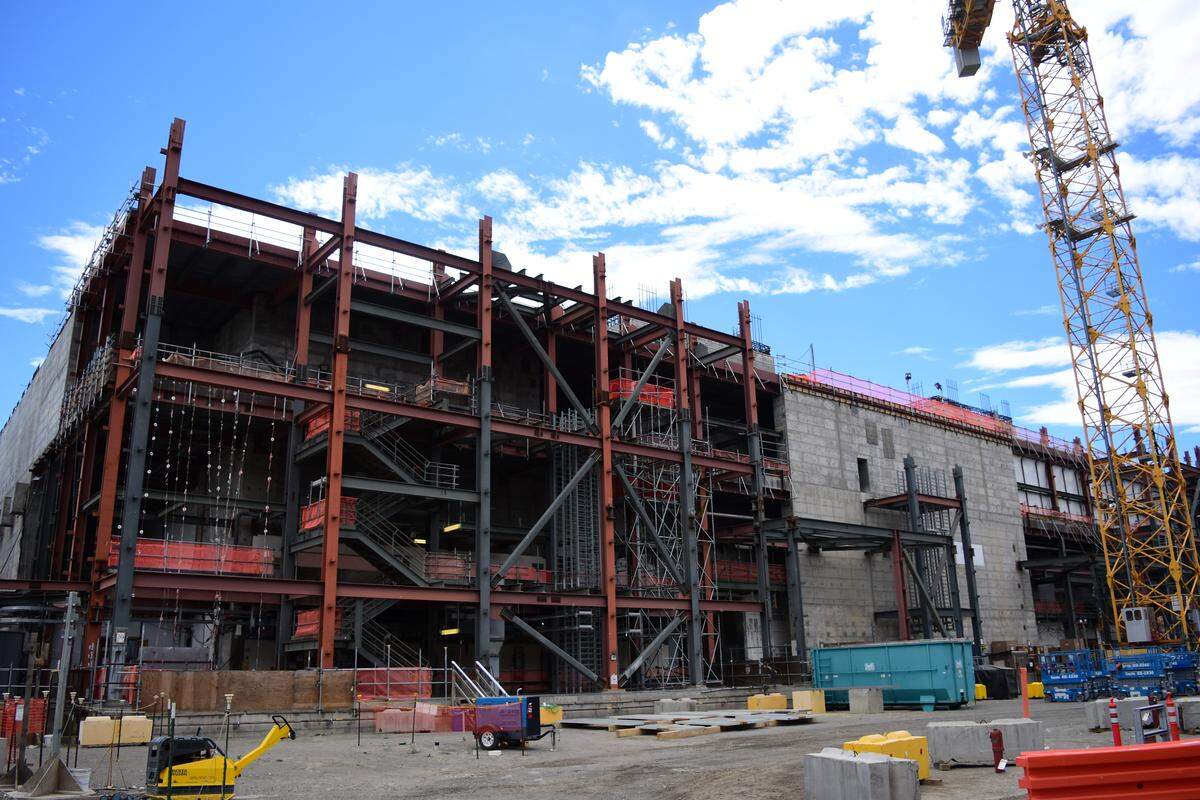
Two ORP quality assurance experts said that both local DOE management and Bechtel place cost and schedule performance above identifying and resolving quality tracking issues.
"One quality assurance expert specified that ORP's culture does not encourage staff to identify quality assurance problems or ineffective corrective measures," the GAO report said.
"This expert said that people who discover problems are not rewarded," it said. "Rather, their findings are met with resistance, which has created a culture where quality assurance staff are hesitant to identify quality assurance problems or problems with corrective measures."
The expert compared the plant to the Zimmer Power Plant, a plant in Ohio that was never licensed because of unresolved quality assurance problems and a focus on schedule over construction quality, the report said.
The GAO recommended that ORP should revise its organizational structure so the quality assurance function is independent of its upper management.
In a written response to the GAO, Anne White, the new DOE assistant secretary for environmental management, said that the current ORP quality assurance reporting relationship meets all established requirements.
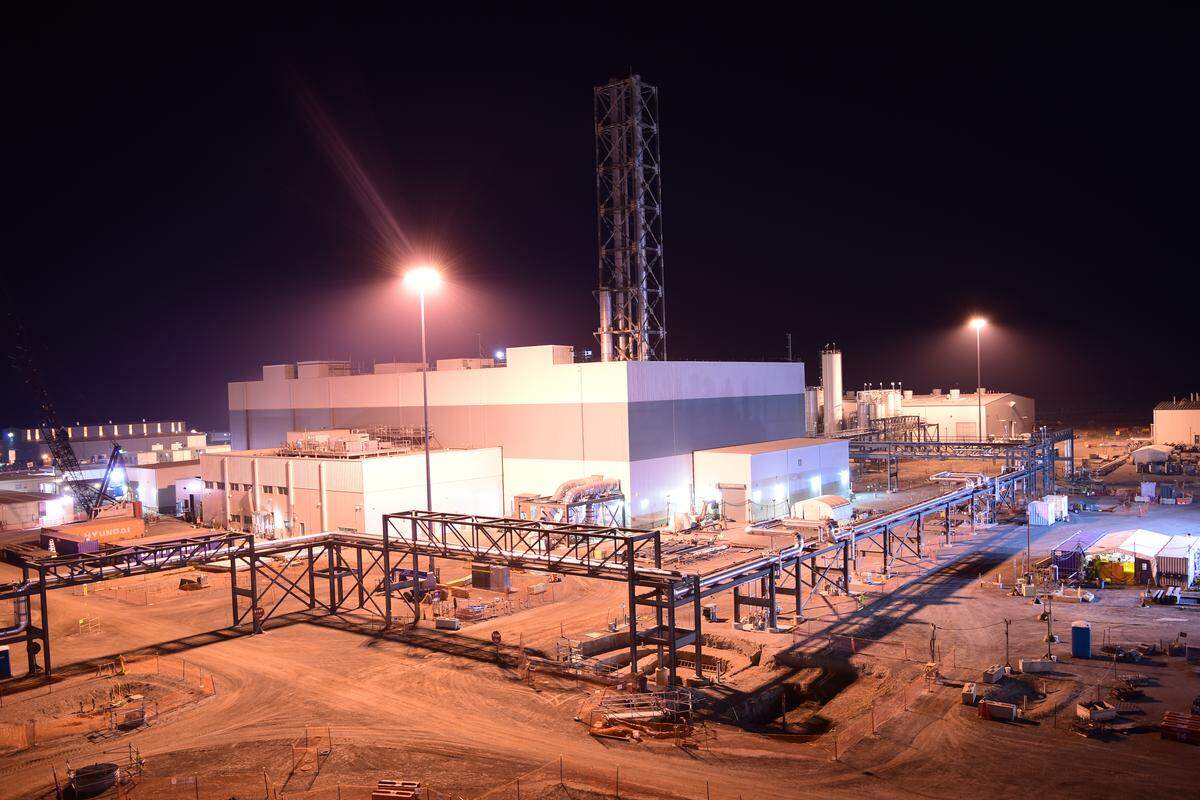
But White did concede that the report identifies some instances in which independence of quality assurance could be strengthened.
Stop-work orders recommended
In another of the three recommendations in the report, the GAO said the energy secretary should direct ORP to use its authority to stop work in areas in which quality assurance problems are recurring.
Work should not restart until the office's experts can verify the problems are corrected and will not recur, the report said.
In December 2012 the ORP vitrification plant engineering division recommended that all activities affecting engineering design, construction, and installation of components be stopped because it could not be verified that completed work met quality and safety requirements for handling nuclear waste, the GAO report said.
Stopping work would help DOE avoid future nuclear safety and quality compromises and substantial rework, according to the engineering division.
Instead of stopping all work, ORP management halted only the work on facilities with the most significant technical challenges.
ORP conducted a comprehensive audit the next year, which resulted in the office having Bechtel begin implementing a management improvement plan to be completed by April 2016.
Bechtel gave a rough estimate in 2014 that the improvement plan would cost more than $1 billion to implement, but the costs of the plan's initiatives have not been tracked, the GAO report said.
Although Bechtel reported that implementation of the plan was complete, in fact all corrective measures were not finished, according to information the GAO said it received.
ORP is not scheduled to finish its verification of Bechtel's implementation of the management improvement plan until at least the end of this year.
But ORP officials told GAO investigators that they had not stopped work because they thought the program is generally adequate.
"DOE may face future rework that could increase costs and schedule delays" because the stop-work option has not been used as verification continues, the GAO report said.
Many of the issues cited in the report were complex and required a significant number of corrective actions to resolve, White wrote in her response.
"In all cases, ORP staff has reviewed and evaluated the contractor's compensatory actions and determined that a work stoppage was not warranted," she said.
Full review recommended
The GAO recommended that ORP direct Bechtel to determine the full extent of problems at the vitrification plant.
ORP previously has directed Bechtel to perform evaluations for a number of weaknesses in its quality assurance programs, but it has taken longer than expected, White said.
The GAO report found that Bechtel had not identified all quality assurance problems in structures, systems and components that were completed and installed before the 2012 work stoppage.
The majority of ORP quality assurance experts said they expected rework will be needed at the plant on some pre-2012 work.
But when problems are found through limited sampling of those plant components, a broader look is not ordered, the GAO report said.
ORP quality assurance experts also said that previously identified quality problems are recurring, including in areas where Bechtel had made corrections, the GAO said..
They included purchasing items and services that did not meet requirements or perform as specified, including software, the GAO said.
Bechtel also had not established an adequate maintenance program to prevent damage and deterioration, particularly for parts of the plant where operations will be delayed, the report said. The entire plant is not required to be fully operating until 2036.
DOE now is required to start operating part of the plant to start turning some low-activity radioactive waste into a stable glass form for disposal in 2023. Construction on parts of the plant that will handle high-level radioactive waste have been stopped since 2012.
There have been problems related to the delay in construction with components stored outside and affected by water, sand or animals. There also was a significant water leak at one of the large processing buildings in 2016, the GAO report said.
Bechtel has notified DOE that it will submit a proposal to change its contract to account for the increased cost of long-term maintenance of facilities and systems that will not be needed when low-activity waste treatment starts.
Bechtel had no comment, other than to point out the DOE response to the report.
Annette Cary; 509-582-1533; @Hanfordnews
This story was originally published April 24, 2018 at 7:56 PM with the headline "Feds bash Hanford nuclear waste plant troubles, question DOE priorities."