
PNNL and Hanford workers should be hopeful not panicked, say economic leaders
AI-generated summary reviewed by our newsroom.
- TRIDEC urges Tri-City Hanford and PNNL workers not to panic over proposed cuts.
- Trump administration and House budgets would cut funding for both.
- But DOE budget far from being finalized, TRIDEC says.
The Tri-City Development Council is urging workers at the Hanford nuclear site and Pacific Northwest National Laboratory not to panic as budget cuts are proposed for both in the fiscal year that begins in October.
A cut of up to $455 million for environmental cleanup at Hanford is proposed by the U.S. House, and a cut of $157 million for just some of the federal spending for research at PNNL in Richland is proposed by the Trump administration.
TRIDEC is hearing concerns about what that could mean for Tri-Cities area jobs and the ongoing work at Hanford and PNNL.
“While those concerns are understandable, it is important to recognize that proposed budgets are only the beginning of the federal appropriations process,” TRIDEC said in a statement Monday afternoon. “Significant reductions have been proposed in prior years, yet Congress has consistently demonstrated strong bipartisan support for both Hanford and PNNL.”
It pointed out that the budget for the current fiscal year, like the budget currently being crafted, started with a Trump administration budget request to cut Hanford spending and a bill passed by the House that also proposed reductions to Hanford funding.
However, the final appropriations bill approved by Congress last year ultimately increased Hanford funding for fiscal 2026 by $277 million, or nearly 9.4% above fiscal 2025, for a record high.
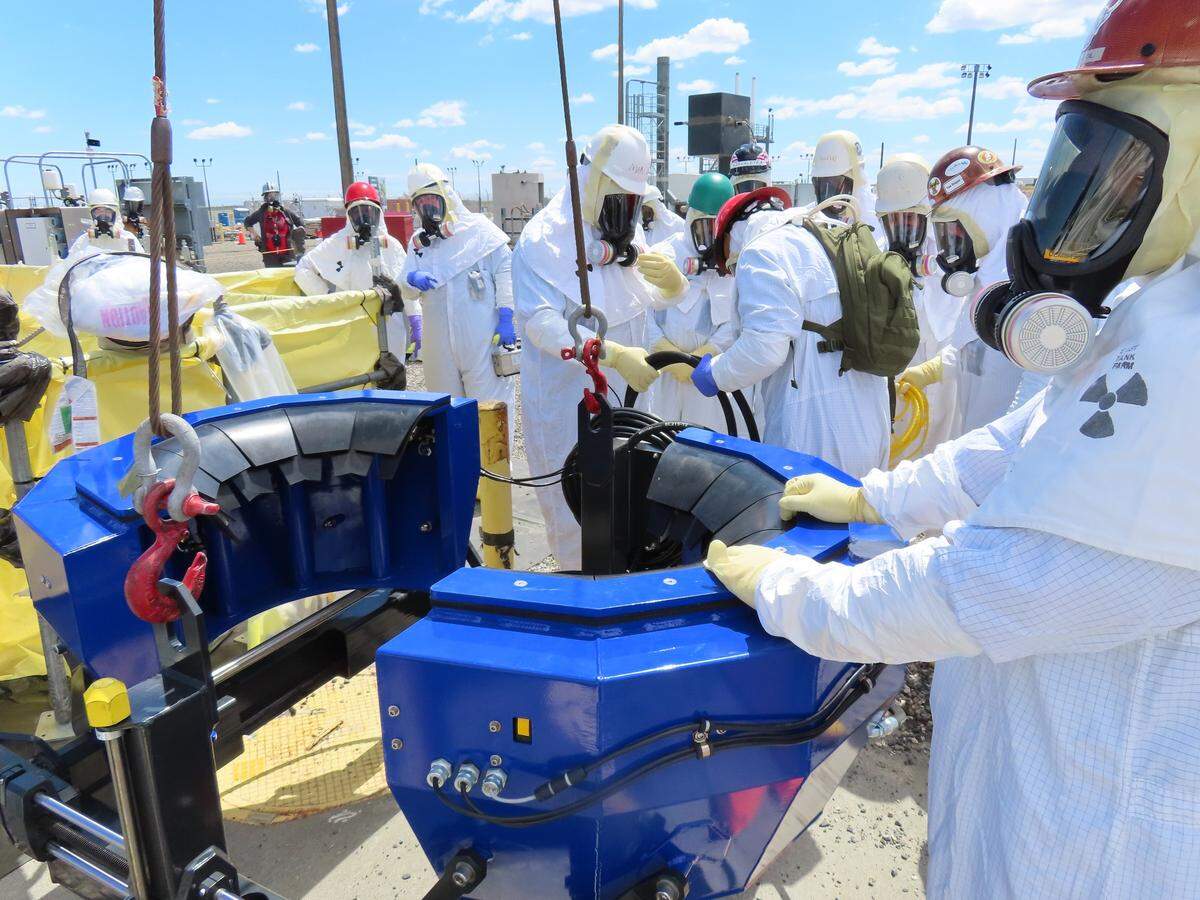
The fight for PNNL dollars was tougher last year than for Hanford, and spending levels led to cutting about 400 positions at the national lab based in Richland.
Some research programs unpopular with the Trump administration, such as climate change, ultimately faced cuts.
But TRIDEC said that last year Congress was able to maintain strong funding for many of the laboratory’s core mission areas.
Washington state is fortunate to have strong Congressional leadership to advocate for the research PNNL conducts for the nation and for environmental cleanup at Hanford adjacent to Richland in Eastern Washington, TRIDEC said.
Sen. Patty Murray, D-Wash., plays a powerful role in federal funding decisions as vice chair of the Senate Appropriations Committee and vice chair of the Energy and Water Development Appropriations Subcommittee, which plays a key role in Department of Energy funding.
When she visited the Tri-Cities on May 6, she emphasized her commitment to ensuring that federal funding for Tri-Cities area work remains strong.
But she also cautioned that as the Trump administration is proposing deep spending cuts for DOE programs, it wants a defense budget jump from $1 trillion to $1.5 trillion for the next fiscal year. That could make finding money more difficult for nondefense projects like environmental cleanup.
Hanford budget proposals
Work to set the fiscal '27 budget for Hanford began with a Trump administration proposal released in early April that recommended that Congress cut the nuclear site’s budget by $400 million from its current high of more than $3.2 million.
Environmental cleanup is underway at the 580-square-mile site that was left with radioactive and hazardous chemical waste and contamination after being used from World War II through the Cold War to produce nearly two-thirds of the plutonium for the nation’s nuclear weapons program.
Then the House considered the president’s budget proposal and in May recommended an additional $55 million cut.
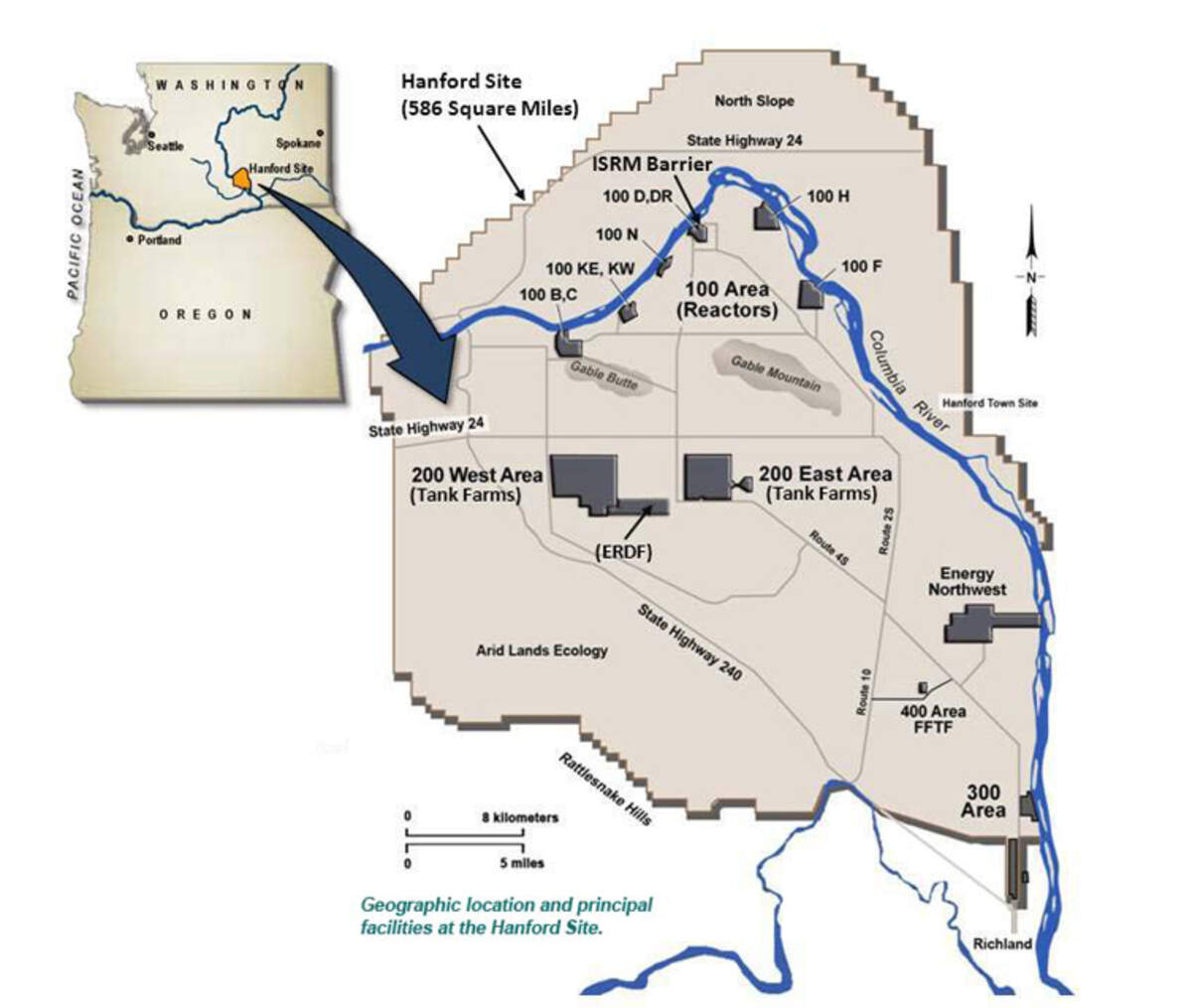
Rep. Dan Newhouse, R-Wash., said during the House Appropriations Committee markup of the fiscal '27 Energy and Water Development Bill that despite the cut the bill would prioritize retrieval of 56 million gallons of radioactive waste held in underground tanks for as long as eight decades and its treatment for disposal, including at the vitrification plant.
“We all know that in order to get our fiscal house in order, difficult decisions have to be made,” Newhouse said. “Cutting spending is not an easy thing, which is why we find ourselves with more than $36 trillion in debt.”
The Hanford budget has increased by 46% over the past 12 years, he said.
The House proposed cut to the Hanford budget for fiscal year 2027 would return it to just below the spending level for fiscal year 2023, which at the time was a record-high budget for the site, he said.
Tim Walsh, the DOE assistant secretary for environmental cleanup, has assured Newhouse that the Hanford budget proposed by the House would still allow legally binding Tri-Party Agreement milestones to be met.
However, the Washington state Department of Ecology, a Hanford regulator has estimated that to meet immediate and long-term Hanford cleanup requirements and deadlines set in federal court and the legally binding Tri-Party Agreement, the fiscal ‘27 budget for Hanford would need to be nearly $6.8 billion.
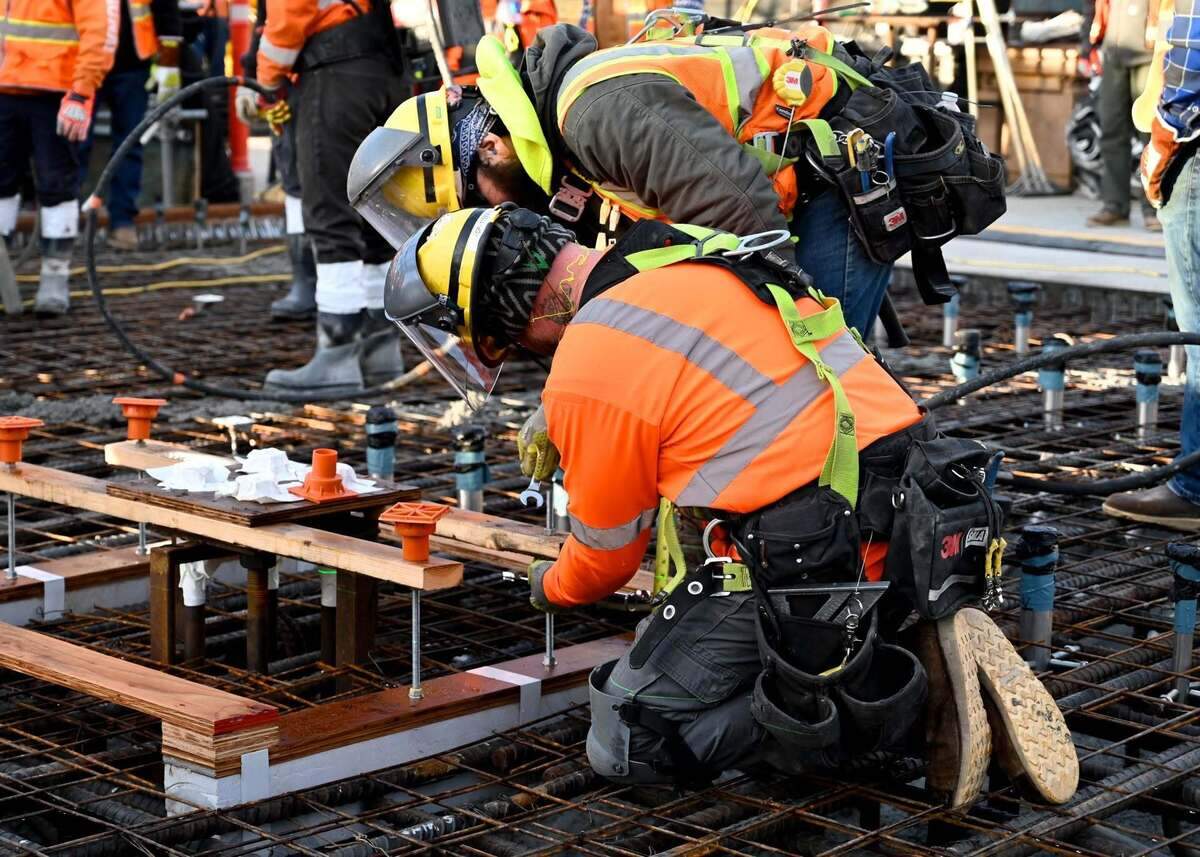
Cuts as proposed in either the House or Trump administration budget would target programs that include:
▪ Shipping, or preparing to ship, Hanford waste contaminated with plutonium to the Waste Isolation Pilot Plant, a national repository in New Mexico for defense transuranic waste. The House budget would fund the shipments.
▪ A temporary hold on deactivation of the Hanford 324 Building, which sits over a leak of highly radioactive cesium and strontium 1,000 feet from the Columbia River and a mile north of Richland. Monitoring wells are being used to check for any spread of the contamination in the soil.
▪ A temporary hold also would be placed on work to finish demolishing buildings and cleaning up waste sites at the K West Reactor, the last of eight plutonium-production reactors that are planned to be cocooned, or put into long-term storage.
▪ Infrastructure projects, including replacing a 1.1-million-gallon potable water tank in central Hanford and electrical capacity and water system upgrades.
▪ Relying on funds now unspent for some of the construction work on the Hanford vitrification plant’s High Level Waste Facility, which is required by federal court order to start turning the most radioactive waste in Hanford’s underground tanks into a stable glass form for disposal in 2033.
PNNL fiscal ‘27 budget proposals
PNNL fared better than Hanford in the House budget proposal for the coming fiscal year, and Friends of PNNL sees some reason for optimism as budget negotiations continue in Congress.
The Trump administration budget proposal for fiscal year ‘27 would have again targeted PNNL research in renewable energy and climate science, the same areas targeted in fiscal year ‘26. However, DOE is continuing to invest in national security research and its new artificial intelligence initiative for scientific research
But the smaller overall budget would have meant 1,000 positions eliminated in addition to 400 positions cut under the current budget, according to Friends of PNNL, an informal and nonpartisan group of former employees and community supporters.
The lab ended 2025 with 6,043 employees, the majority of them at its Richland campus. PNNL is the Tri-Cities single largest employer.
But the House proposed budget for fiscal ‘27 restored about half of the cuts for PNNL proposed by the administration and saved research projects, said Doug Ray, a PNNL associate laboratory director before he retired and now a member of Friends of PNNL.
The Trump administration had proposed entirely eliminating the Atmospheric Radiation Measurement User Facility — a world-leading climate research program essentially led by PNNL for DOE — in the next fiscal year. The program helps predict the impact of extreme weather threats to critical infrastructure like the power grid.
However, the proposed House budget for DOE for the next fiscal year would include funding for that program, Newhouse said.
The Environmental Molecular Sciences Laboratory on PNNL’s Richland campus also would have full funding under the House proposal, according to Ray.
Budget optimism
Ray agrees with TRIDEC that there is reason for optimism that the Senate will add to the work done in the House to fund PNNL research next year, just as it did last year.
The budget process for DOE spending in the coming fiscal year is still in early stages, with final funding levels not expected to be determined for several more months, TRIDEC said.
The Senate has yet to release its proposed DOE budget. Once Senate and House budgets are approved they will be reconciled and sent to the White House to be signed into law.
“While TRIDEC will continue advocating aggressively for the resources needed to support Hanford and PNNL, history provides strong reasons for confidence,” TRIDEC said Monday.
“Time and again, Washington’s congressional delegation has successfully secured the funding necessary to protect local jobs, advance Hanford cleanup, and strengthen PNNL’s contributions to scientific discovery, energy resiliency, and national security.”